
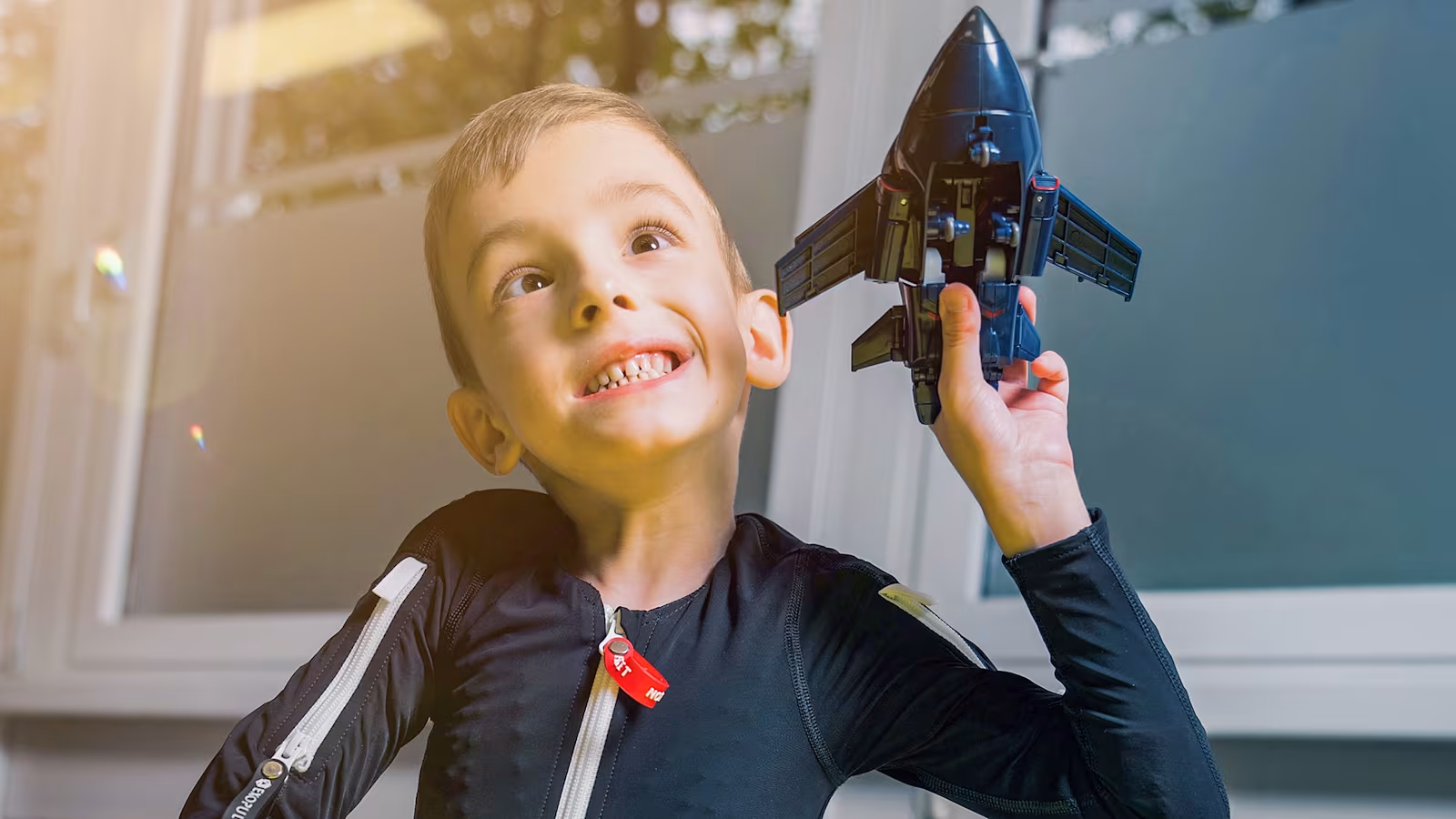
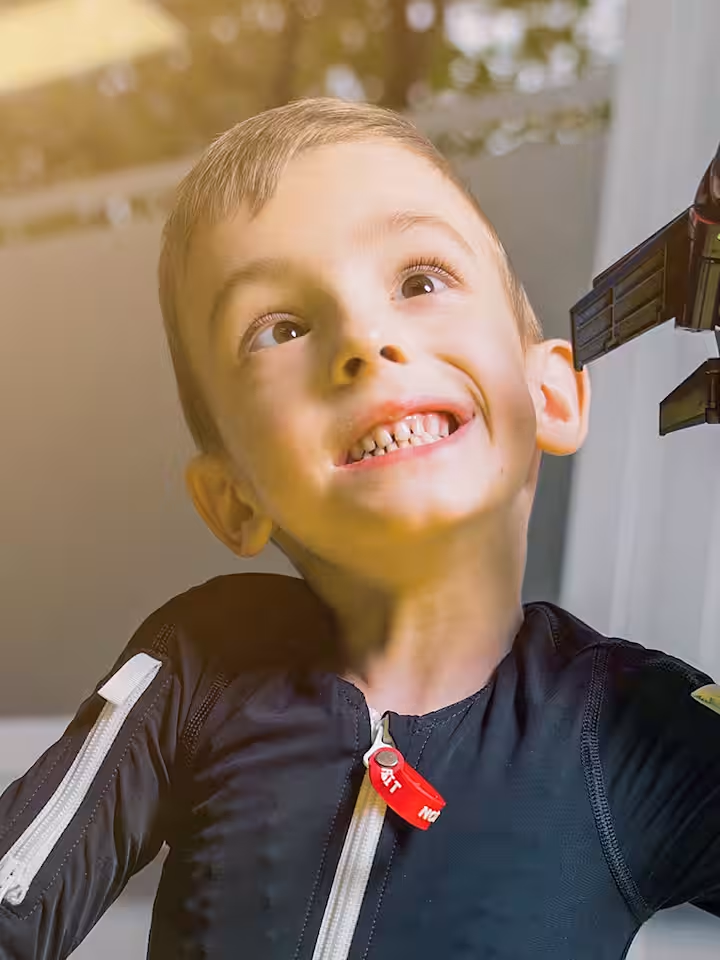
엑소펄스 몰리 수트를 만나보세요
공지사항: 이 사이트에 포함된 정보는 미국 이외 지역의 고객만을 대상으로 합니다. 여기에 설명된 제품은 미국 식품의약국(FDA)의 승인을 받지 않았음에 유의하시기 바랍니다.
경직 환자를 위한 더 많은 가능성.
웨어러블 전신 신경 자극 기술의 새로운 혁신을 만나보세요. 약물을 사용하지 않는 비침습적 기술로 환자의 이동성을 향상시키고 경직과 관련된 통증을 완화하도록 설계되었습니다.
신경 자극(Neurostimulation)은 뇌성마비(CP), 다발성 경화증(MS) 및 뇌졸중과 관련된 쇠약 질환인 경직(spasticity)과 같은 신경근 질환에서 광범위하게 평가되어 온 입증된 접근법입니다 (1-6). 엑소펄스 몰리 수트는 이 신뢰할 수 있는 기술을 바탕으로 경직 환자들을 위한 진정한 잠재력에 획기적으로 한 걸음 더 다가섰습니다.
각 환자의 고유한 니즈(needs)에 맞춘 표적 신경 자극.
귀하와 귀하의 임상 팀처럼, 엑소펄스 몰리 수트 또한 모든 환자에게 개인 맞춤형 케어를 제공합니다. 최대 30개의 설정으로 각각 제어되는 58개의 내장 전극을 통해 전신의 최대 40개 핵심 근육군에 정밀하게 표적 자극을 전달할 수 있으며, 빠르면 단 한 시간 만에 환자의 이동성 및 통증 증상에서 유의미한 개선을 이끌어낼 수 있습니다. (6)
작동 원리
엑소펄스 몰리 수트는 상호 억제(reciprocal inhibition)라는 기술을 사용하여 약화된 길항근(antagonists)을 재활성화함으로써 경직된 근육을 이완시키는 맞춤형 독점 자극 패턴을 사용합니다.
대부분의 표준 경직 치료와 달리, 이 통합된 접근 방식은 신체 고유의 자연적인 반사 메커니즘을 사용하여 근육 활동의 균형을 재조정하며, 환자가 더 자유롭고 안전하게, 그리고 더 적은 통증으로 움직일 수 있도록 돕습니다.
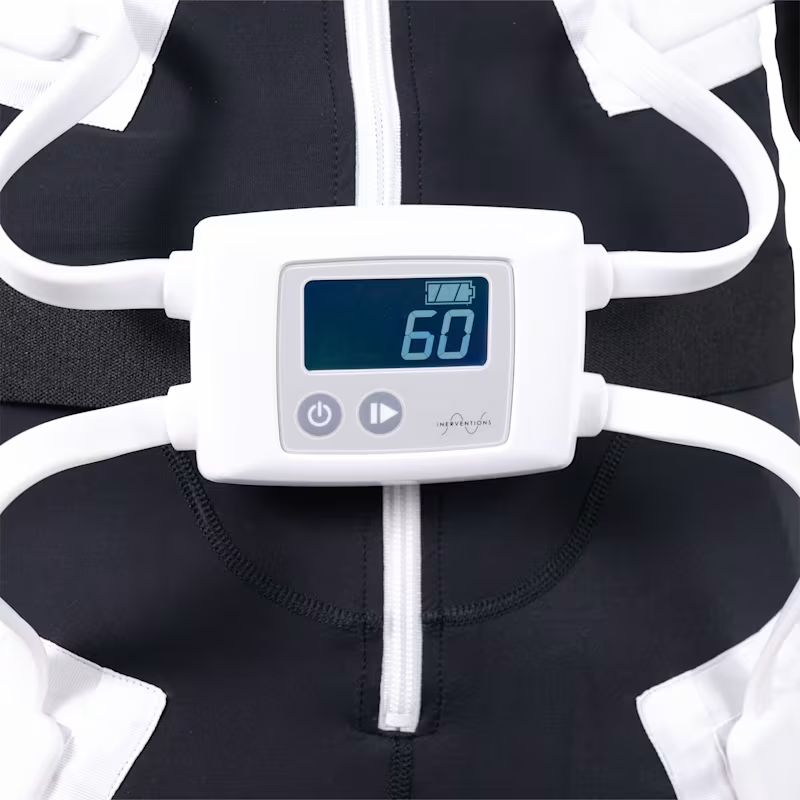
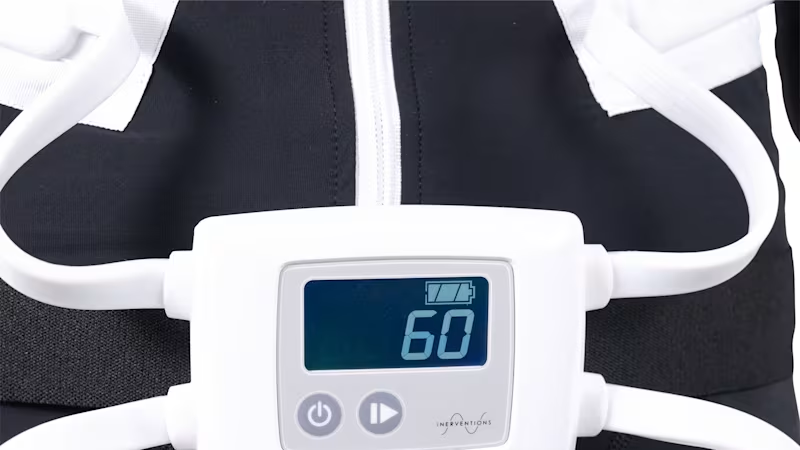
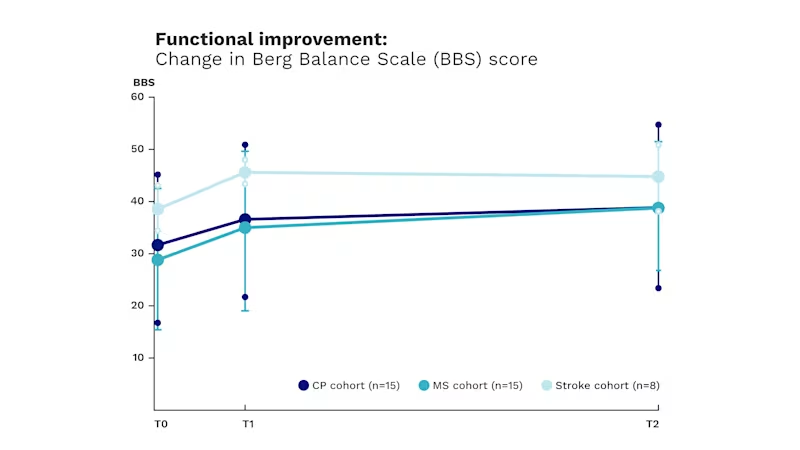
환자들이 더 자유롭고 안전하게 움직일 수 있는 기회를 제공하십시오. (6)**
초기 임상 결과에 따르면, 뇌성마비(CP), 다발성 경화증(MS) 및 뇌졸중 환자들이 엑소펄스 몰리 수트를 착용한 지 단 60분 만에 균형 감각이 향상되고 낙상 위험이 감소한 것으로 나타났습니다. 격일로 규칙적인 자극을 적용했을 때 이러한 개선 효과가 유지되는 데 도움이 되었습니다.
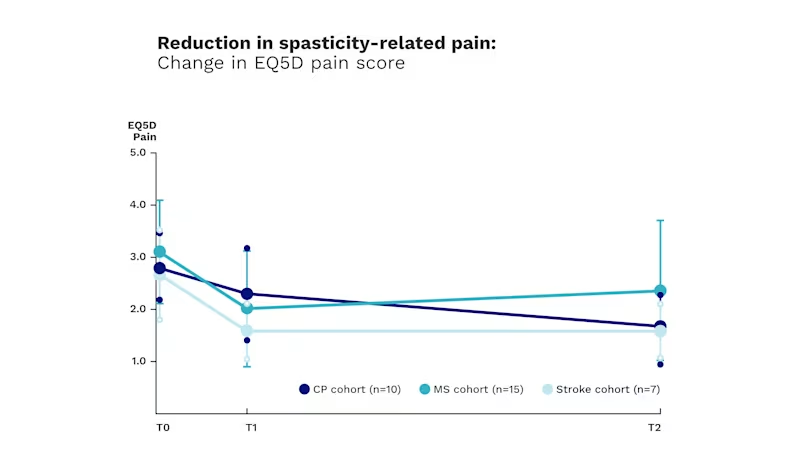
환자들이 경직과 관련된 통증을 빠르고 지속적으로 완화할 수 있도록 지원하십시오. (6)***
동일한 예비 연구에서, 통증을 보고한 환자들이 엑소펄스 몰리 수트를 1시간 동안 사용한 후 통증 증상이 유의미하게 감소하는 데 도움이 되었습니다. 4주 후, 수트를 규칙적으로 사용한 환자들은 통증이 지속적으로 감소하는 것을 경험했습니다.
엑소펄스 몰리 수트 임상 전문가용 브로셔.
귀하의 병원 및 클리닉을 위한 기술, 임상적 근거 및 도입 단계에 대한 핵심 요약을 확인해 보십시오.
Exopulse Mollii Suit
총 1개 중 1개의 결과
의료 전문가를 위한 추가 중요 정보.
아래에서 주제를 선택하여 신경 자극에 대한 이 혁신적인 접근법과 이 기술이 귀하의 임상 환경 및 환자의 경직(spasticity) 관리에 어떻게 적용될 수 있는지 자세히 알아보십시오.
엑소펄스 몰리 수트와 함께 시작해 보세요.
*The testimonials, statements, and opinions presented in the videos are only applicable to the individuals depicted. The testimonials are not representative of patient experience. The exact results and experience will be unique and individual to each patient. The users depicted in the videos received compensation for the time spent on filming with Ottobock.
Not all products and services are registered or available for sale in all countries.
**Based on change in Berg Balance Scale (BBS) score in an open-label study of group-level response to Suit stimulation in patients with CP (adult and pediatric), MS, and stroke. Results of this study were evaluated in 38 patients with impaired balance and an increased fall risk (n=15/15/8 CP/MS/stroke, baseline BBS score < 45). Patients in all cohorts reported significant improvement in BBS score after 60 minutes of stimulation (T1) and after 4 weeks of stimulation every other day (T2).
***Based on change in EQ5D pain levels in an open-label study of group-level response to Suit stimulation in patients with CP (adult and pediatric), MS, and stroke. Change in pain levels was evaluated in a subset of 32 patients who reported spasticity-related pain at baseline (n=10/15/7 CP/MS/stroke, baseline EQ5D pain > 1). Patients in all cohorts reported significant improvement in EQ5D pain score after 60 minutes of stimulation (T1) and after 4 weeks of stimulation every other day (T2).
References: 1. Elbasiouny SM, Moroz D, Bakr MM, Mushahwar VK. Management of Spasticity After Spinal Cord Injury: Current Techniques and Future Directions. Neurorehabil Neural Repair. 2010; 24(1):23-33. DOI: 10.1177/1545968309343213. 2. Rabchevsky AG, Kitzman PH. Latest approaches for the treatment of spasticity and autonomic dysreflexia in chronic spinal cord injury. Neurotherapeutics. 2011; 8(2):274-282. DOI: 10.1007/s13311-011-0025-5. 3. Stein C, Fritsch CG, et al. Effects of Electrical Stimulation in Spastic Muscles After Stroke: Systematic Review and Meta-Analysis of Randomized Controlled Trials. Stroke. 2015; 46(8):2197-2205. DOI: https://doi.org/10.1161/STROKEAHA.115.009633. 4. Bosques G, Martin R, et al. Does therapeutic electrical stimulation improve function in children with disabilities? A comprehensive literature review. J Ped Rehab Med. 2016; 9(2):83–99. DOI: 10.3233/PRM-160375. 5. Etoom M, Khraiwesh Y, et al. Effectiveness of Physiotherapy Interventions on Spasticity in People With Multiple Sclerosis: A Systematic Review and Meta-Analysis. Am J Phys Med Rehab. 2018; 97(11):793-807. DOI: 10.1097/PHM.0000000000000970. 6. Exopulse Registry Clinical Research Report; Data on File.