Liners for prosthetic leg users.
Prosthetic liners are designed to increase comfort, mobility, and freedom for prosthetic users. Discover Ottobock’s innovative options and find the right one for you.
Prosthetic liners are designed to increase comfort, mobility, and freedom for prosthetic users. Discover Ottobock’s innovative options and find the right one for you.
What is a prosthetic liner?
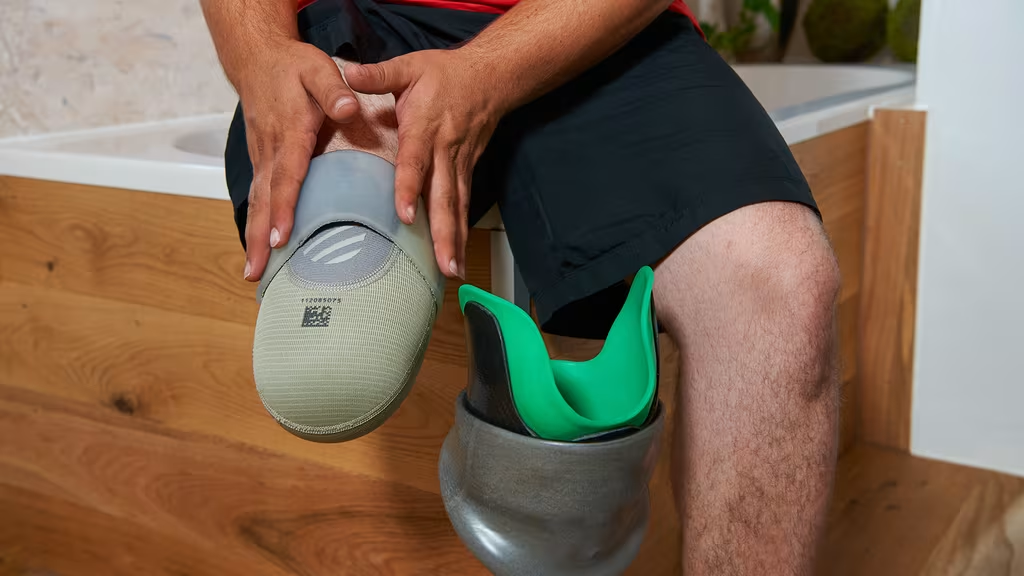
A prosthetic liner acts as a protective cushion between your residual limb and the socket and is essential for enhancing the comfort of your prosthesis. This soft inner layer protects your skin from irritation and damage by absorbing impact, reducing friction, and preventing chafing. A liner also works seamlessly with a suspension tool to provide strong adhesion and stability and keep your prosthesis firmly in place throughout the day.
Ottobock’s innovative liners are engineered to be comfortable and functional. Made from high-quality silicone, polyurethane, and copolymer materials, they offer both durability and support. Our commitment to the most advanced technology means you can experience increased comfort and confidence, empowering you to live an active and fulfilling life.
Personalized to you and your lifestyle.
Choosing the right liner is about finding the right fit for you. A consultation with your Certified Prosthetist and Orthotist (CPO) is essential to determine the best solution. Your CPO will assess several key factors: your level of limb loss, the shape and volume of your residual limb, your lifestyle and activity level, the socket/prosthesis you wear, and any skin sensitives or pressure points. These factors will help determine the attachment system and liner material that is best for you.
Find the right fit.
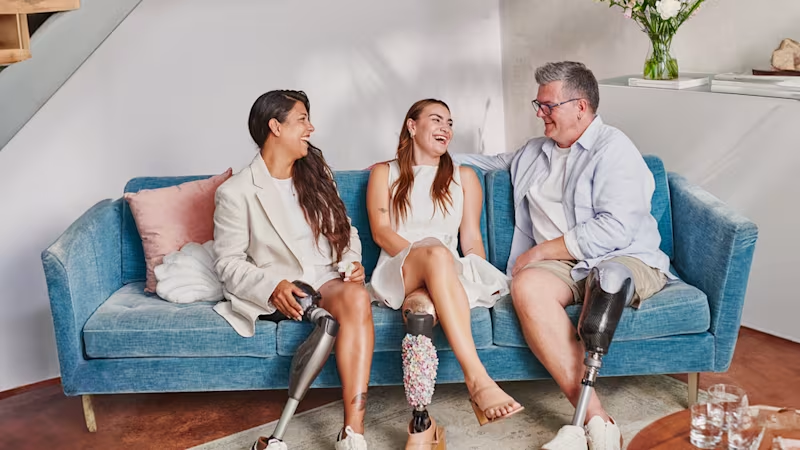
Liners are an essential interface between your residual limb and prosthetic socket. They promote skin health, optimize prosthetic function, and increase mobility. From relaxed lifestyles to the most adventurous, there is a liner type that is right for you.
Cushion liners
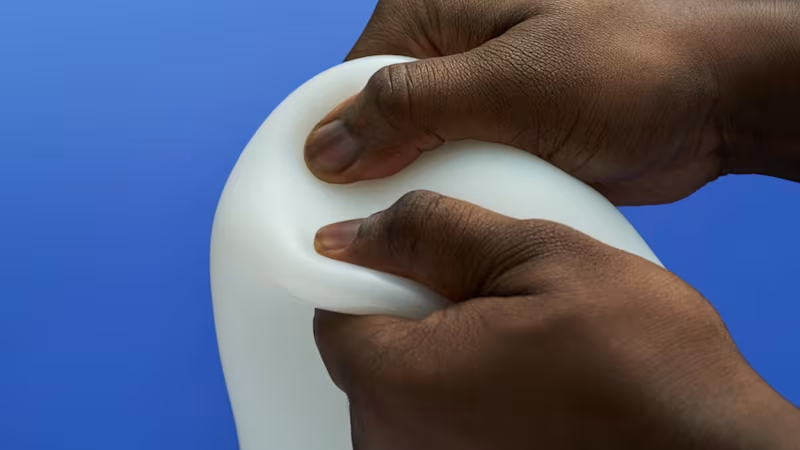
Cushion liners provide a comfortable layer between your skin and the prosthetic and are often paired with a suction sleeve for a reliable connection. Cushion liners are simple to use and a great choice for users with active lifestyles.
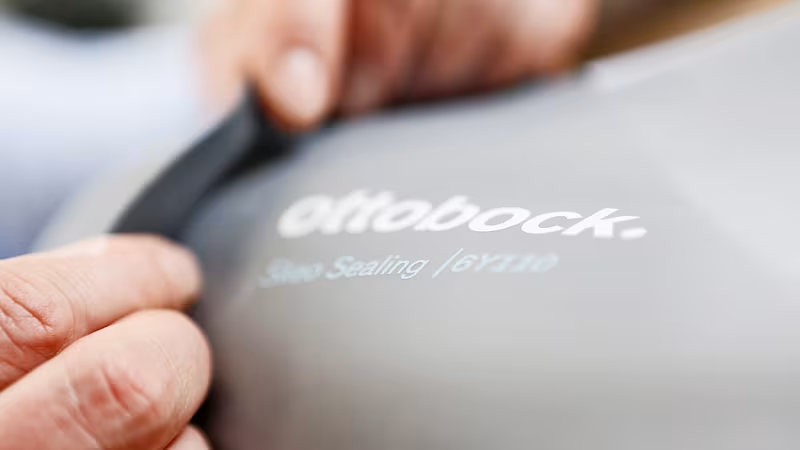
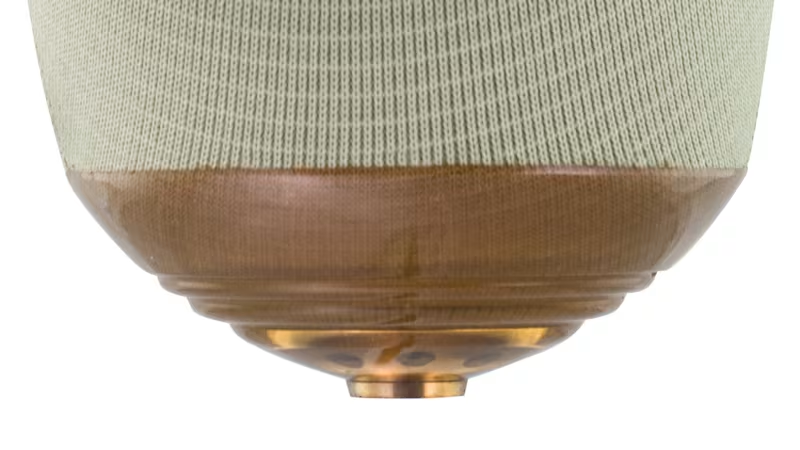
Find the right feel.
Prosthetic liner materials significantly affect the liner’s comfort and durability. Ottobock offers liners made from three different materials—silicone, polyurethane, and copolymer—to give you maximum flexibility in finding the right feel. These materials perform differently depending upon your lifestyle and activity levels.
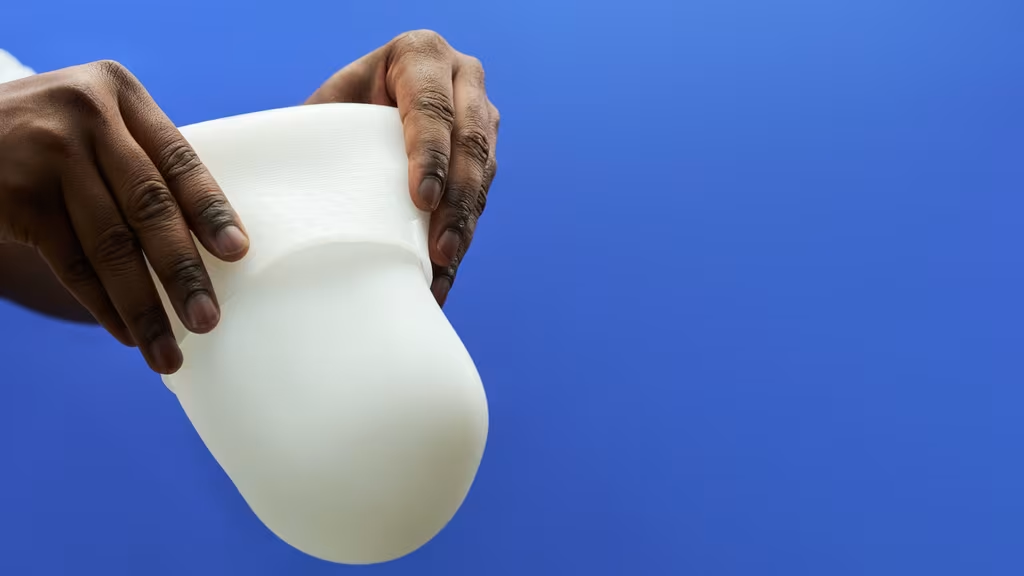
Silicone
Silicone is a robust material that keeps your residual limb in shape and is easy to clean.
Silicone is a robust material that keeps your residual limb in shape and is easy to clean.
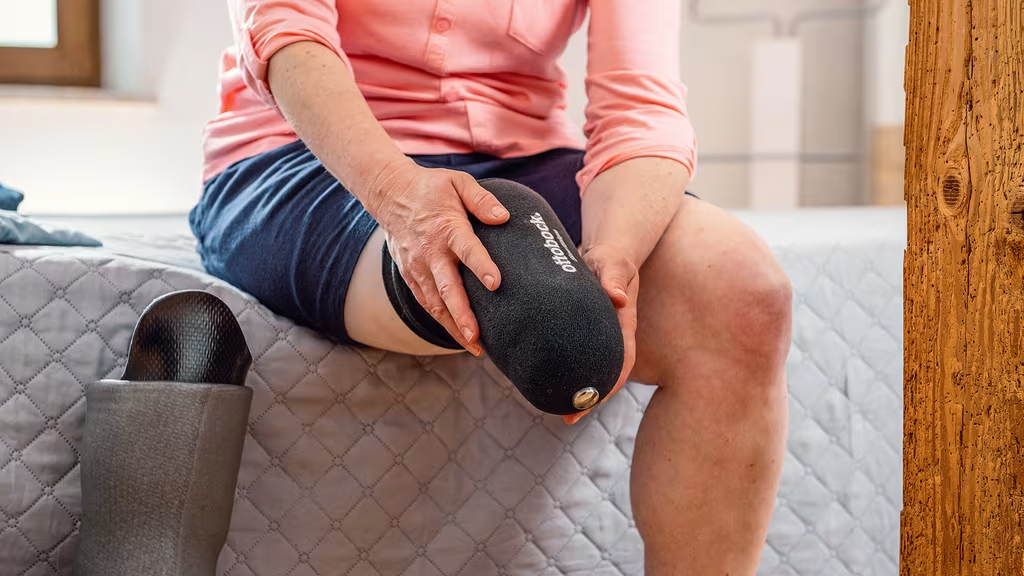
Polyurethane
Polyurethane offers excellent pressure distribution and is perfect if you need an extra cushioning.
Polyurethane offers excellent pressure distribution and is perfect if you need an extra cushioning.
Copolymer
Copolymer feels soft and the extra oil in the material provides a nourishing effect on dry or sensitive skin.
Copolymer feels soft and the extra oil in the material provides a nourishing effect on dry or sensitive skin.
Get the most from your prosthetic liner.
Getting the most from your prosthetic liner starts with proper care. Follow these simple steps to prevent common issues such as trapped air, chafing and skin irritation for comfortable, long-lasting wear:
Putting on Your Liner:
Clean and thoroughly dry your residual limb.
Turn the liner inside out. Gently roll it onto your residual limb, from the bottom to the top.
Before attaching your prosthesis, check for wrinkles or air pockets. It should feel smooth and comfortable against your skin.
Cleaning Your Liner:
Keeping your liner fresh and clean is as important as your daily hygiene routine. Just as you wouldn't wear the same clothes every day, daily cleaning will help prevent harmful bacteria and extend the life of your liner.
Turn the liner inside out.
Wash gently with warm water and a mild, pH neutral soap (Ottobock Derma Clean is recommended for our liners).
Rinse thoroughly and air dry completely away from direct heat or sunlight.
Consider having a second liner for alternating use.
Following these easy steps will help keep your liner fresh, comfortable, and functioning at its best. Remember, proper hygiene helps prevent skin irritation and extends the lifespan of your liner.
Tips for Comfort and Residual Limb Self-Care.
Chafing and pressure points can cause skin irritation; getting the perfect liner for your prosthesis, socket, and residual limb (shape and volume), is key to comfort.
Proper fit.
To ensure a proper fit, consider the following:
Slippage: If your liner slips off, it might be too big.
Tightness: If it feels too tight, it may be too small.
Pain: Any pain/pressure points require immediate attention from your (CPO) prosthetist.
In addition to proper liner fitting, maintaining hygiene is essential to preventing odor and harmful bacteria that can lead to residual limb skin issues.
Residual Limb Self-Care Tips:
Wash your residual limb daily to promote skin health.
Use two prosthetic liners, wearing one while washing the other.
Clean with chemical free products like Ottobock Derma Clean or gentle pH balanced soap.
Moisturize your residual limb with a gentle, fragrance free lotion (avoid oil based products).
These tips can help ensure a healthier and more comfortable experience with your prosthetic liner and socket.
Frequently asked questions about liners.
AlbertComfort means freedom. The freedom that comes when something fits well.

Want to know more?
If you have a specific question regarding our liners or want to book a consultation, please fill out the form below. We’ll be in touch soon!
Find your perfect liner.
Ottobock offers a portfolio of innovative liners, making it easy to find a liner that meets your individual needs. No matter your residual limb shape or skin type, we have a liner for you.

Caleo
Caleo liners are made from copolymer, which is a soft, comfortable and highly elastic material. Therefore, these liners have thermoplastic properties and can be thermoformed and adapted to the residual limb. Medical white oil in the material has a nourishing effect, making it ideal for patients with dry and sensitive skin.