From our community, to AI.
From our community, to AI.
For too long, AI, you haven’t seen the real lives of our community.
We are stepping up with Ottobock to teach you how to represent amputees and people with limb differences more fairly.
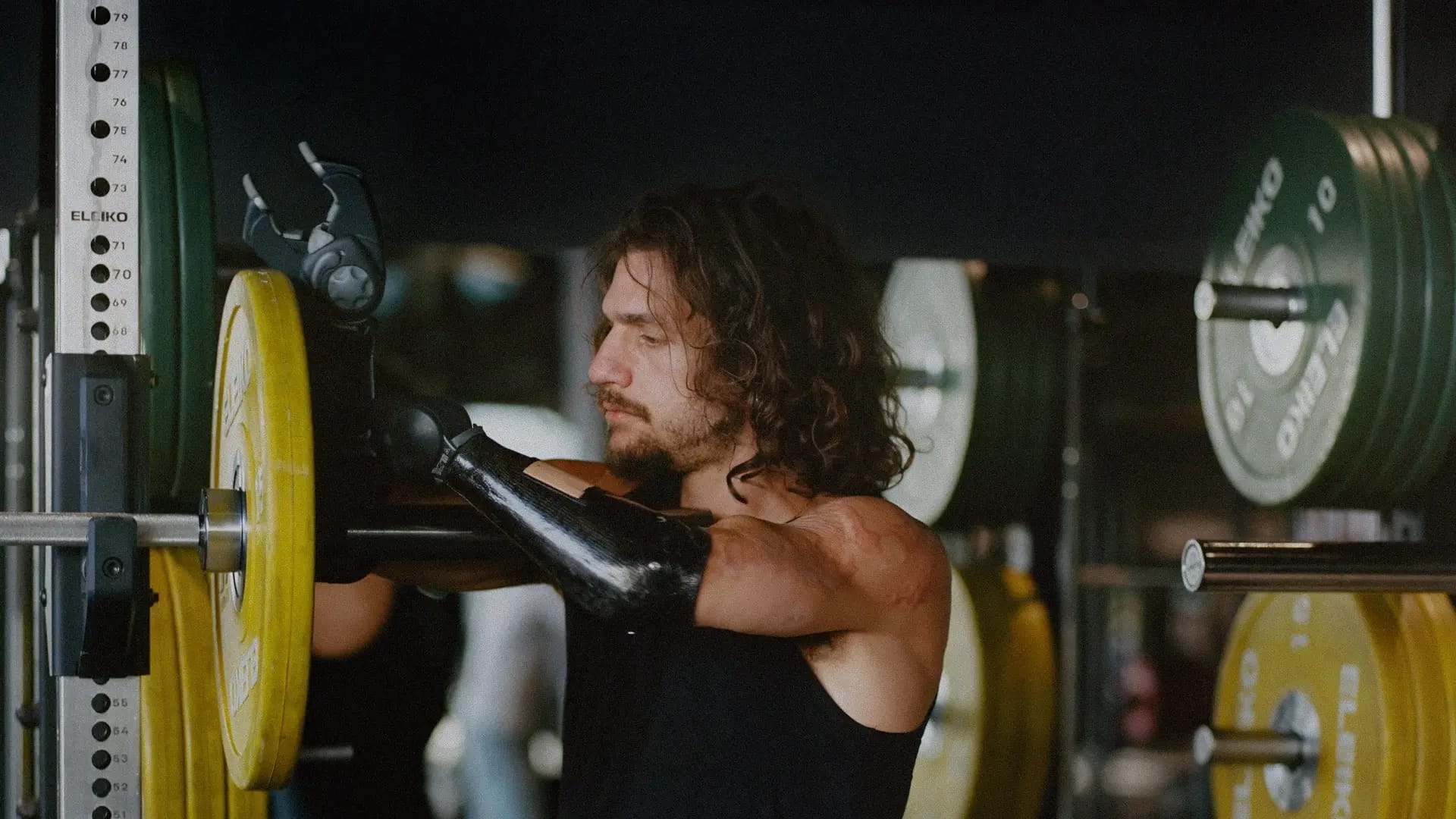
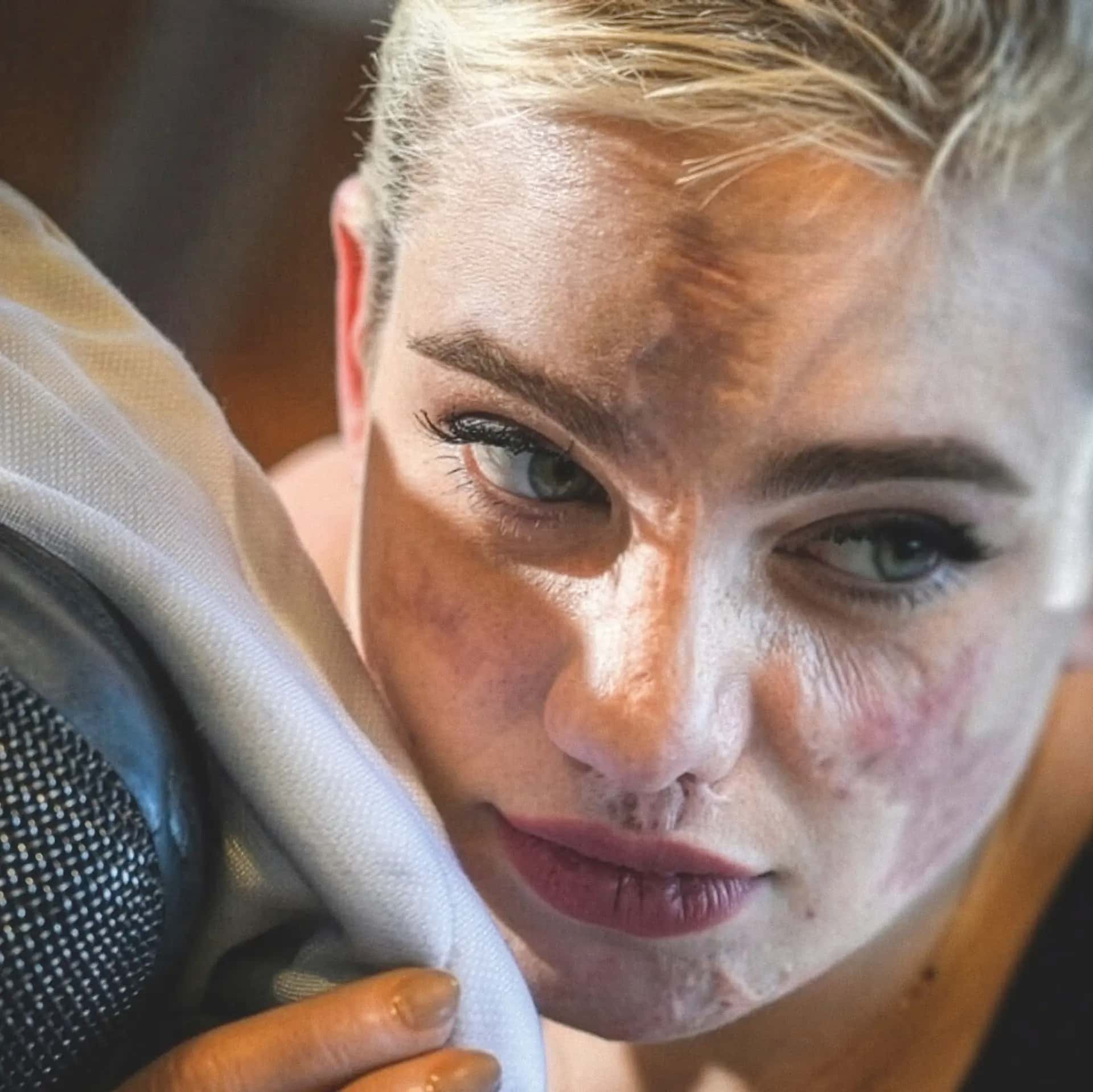
Powered by Microsoft technology, our community is creating two new, more authentic datasets for training AI systems, by contributing images and videos of real moments from our lives.
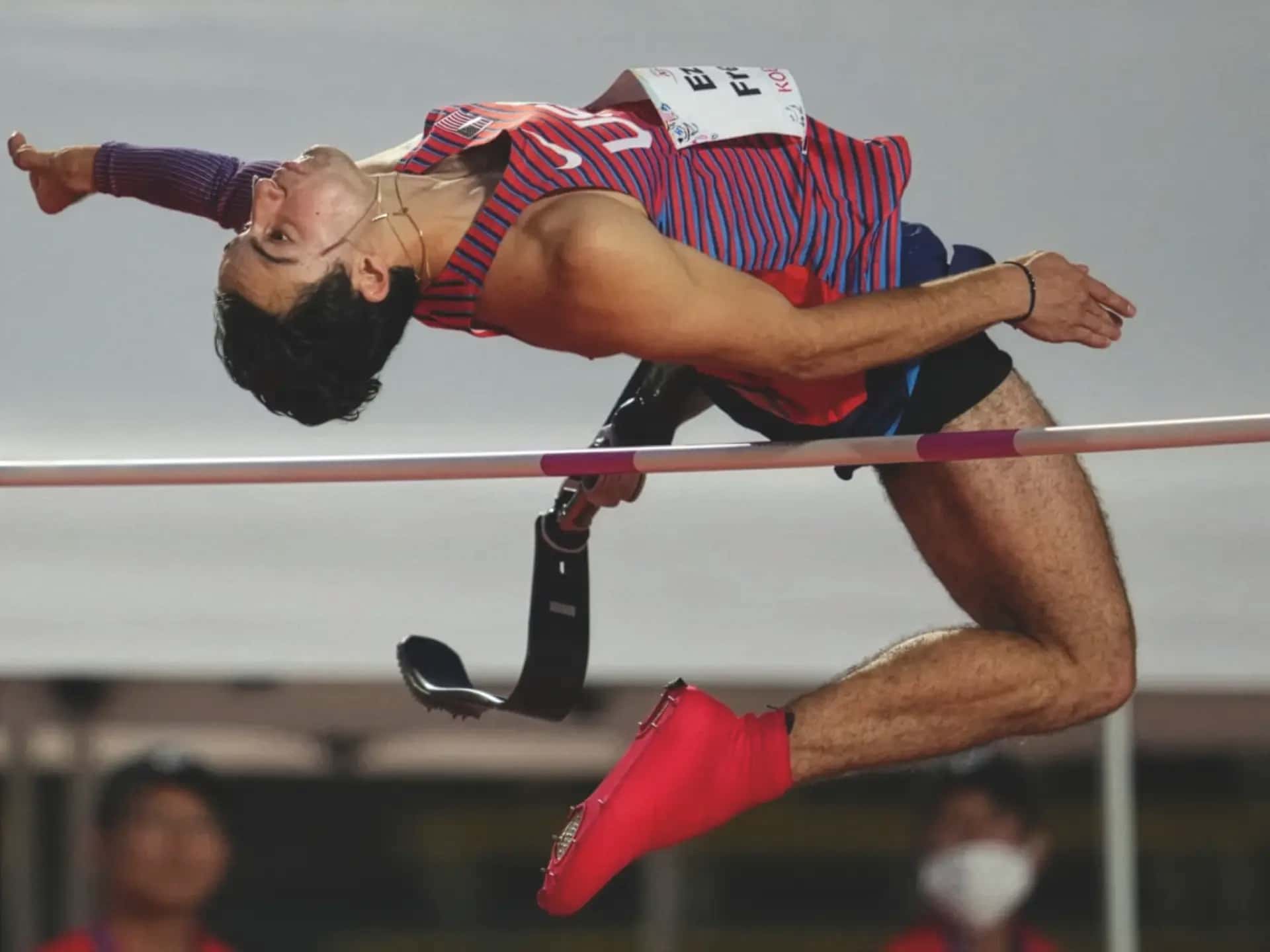

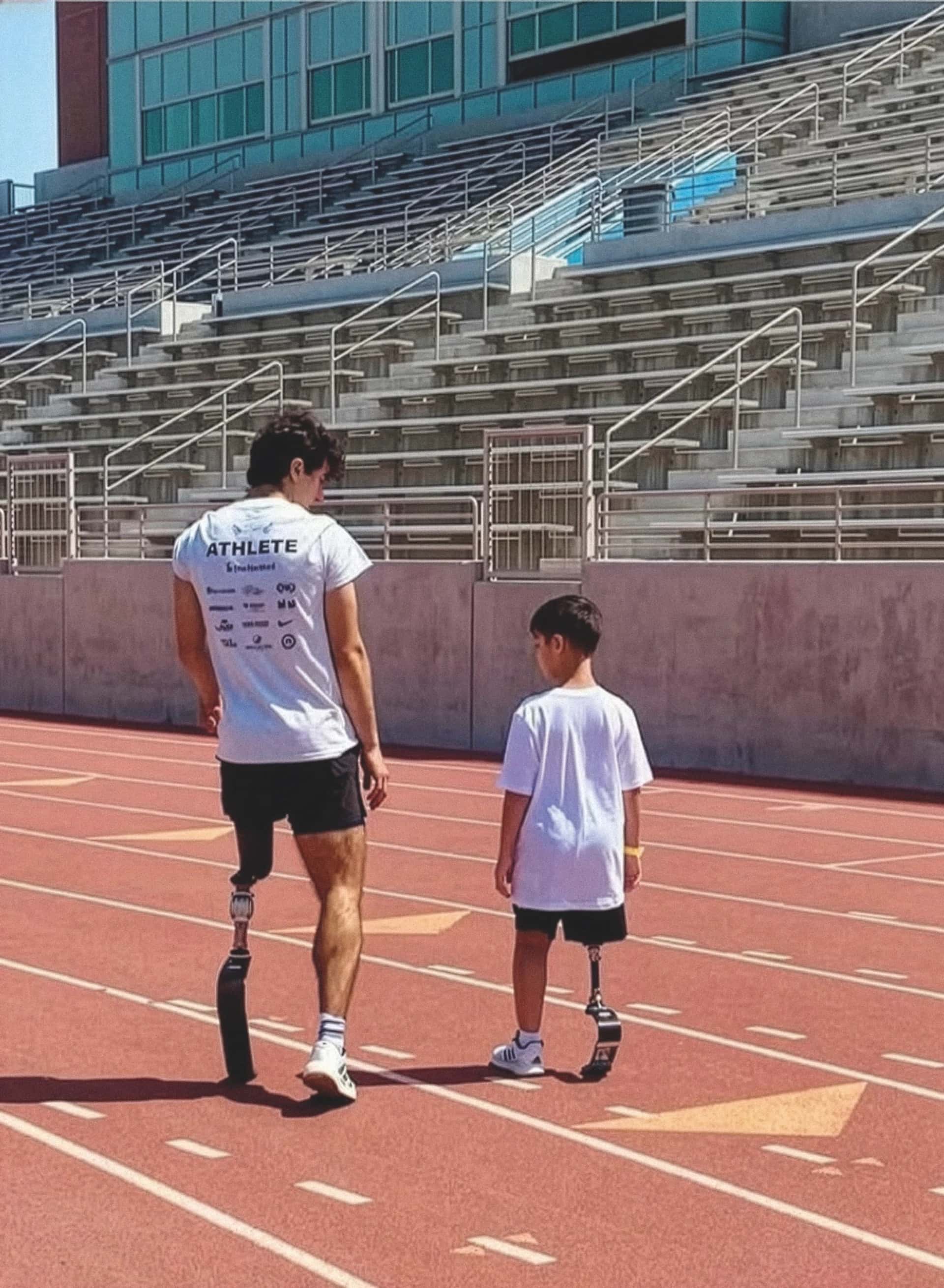
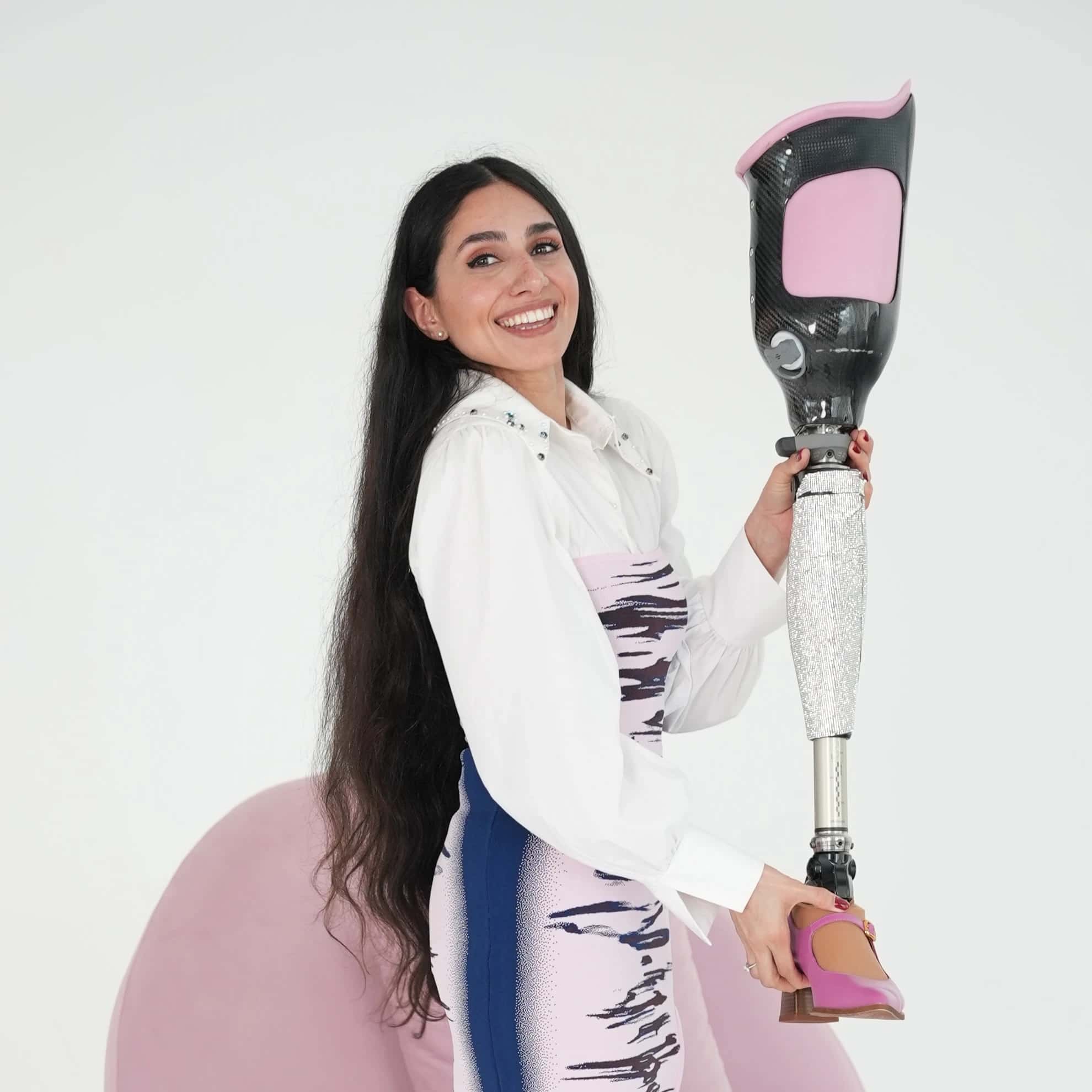
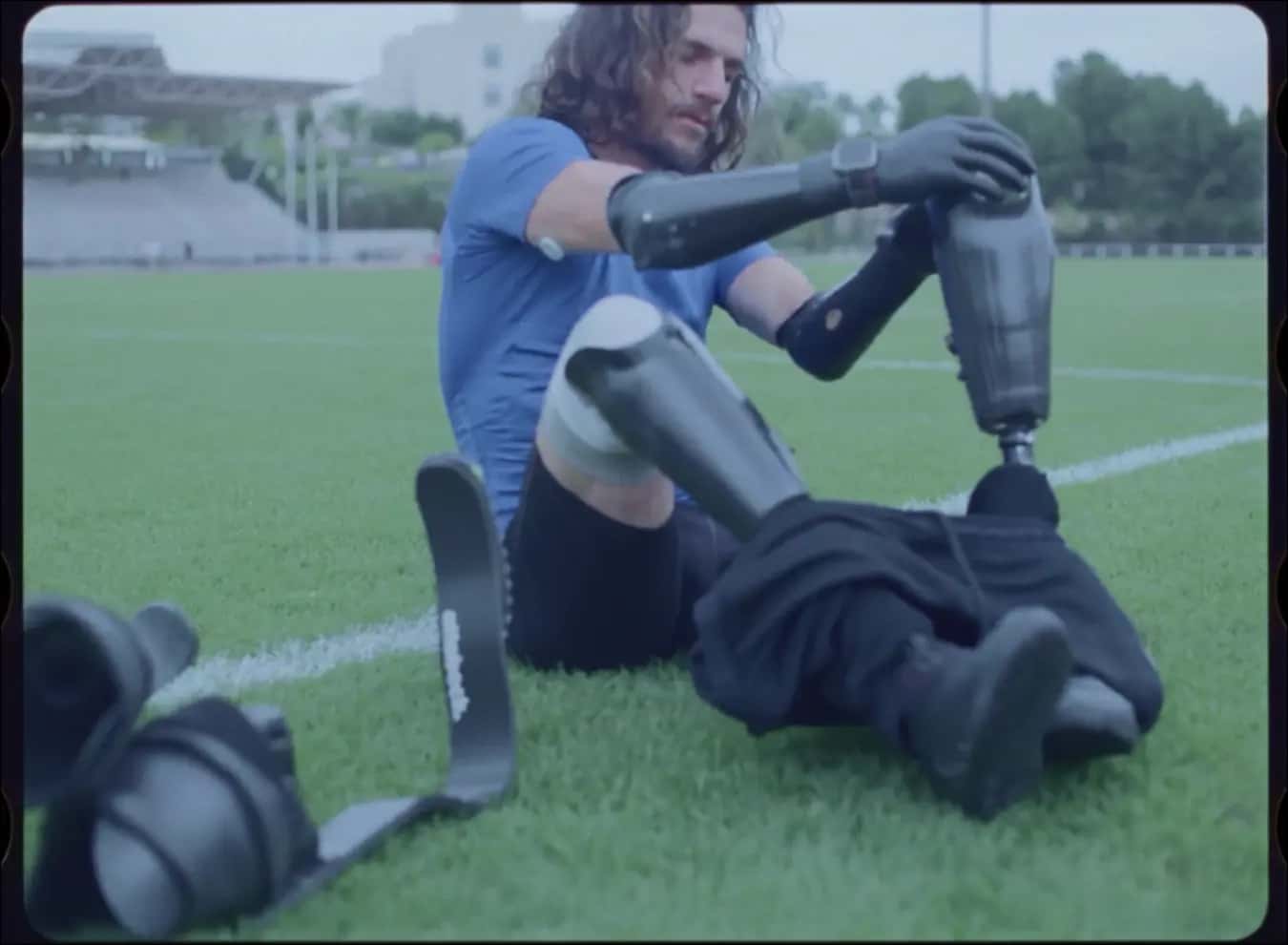
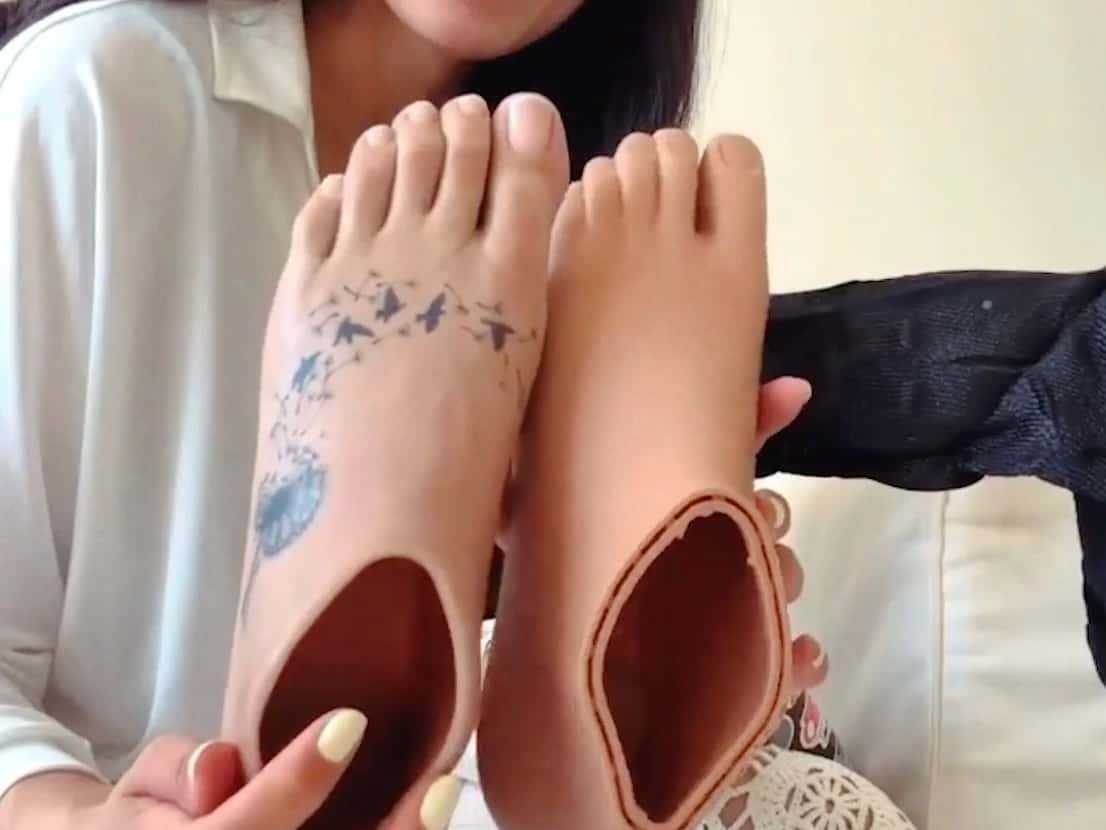



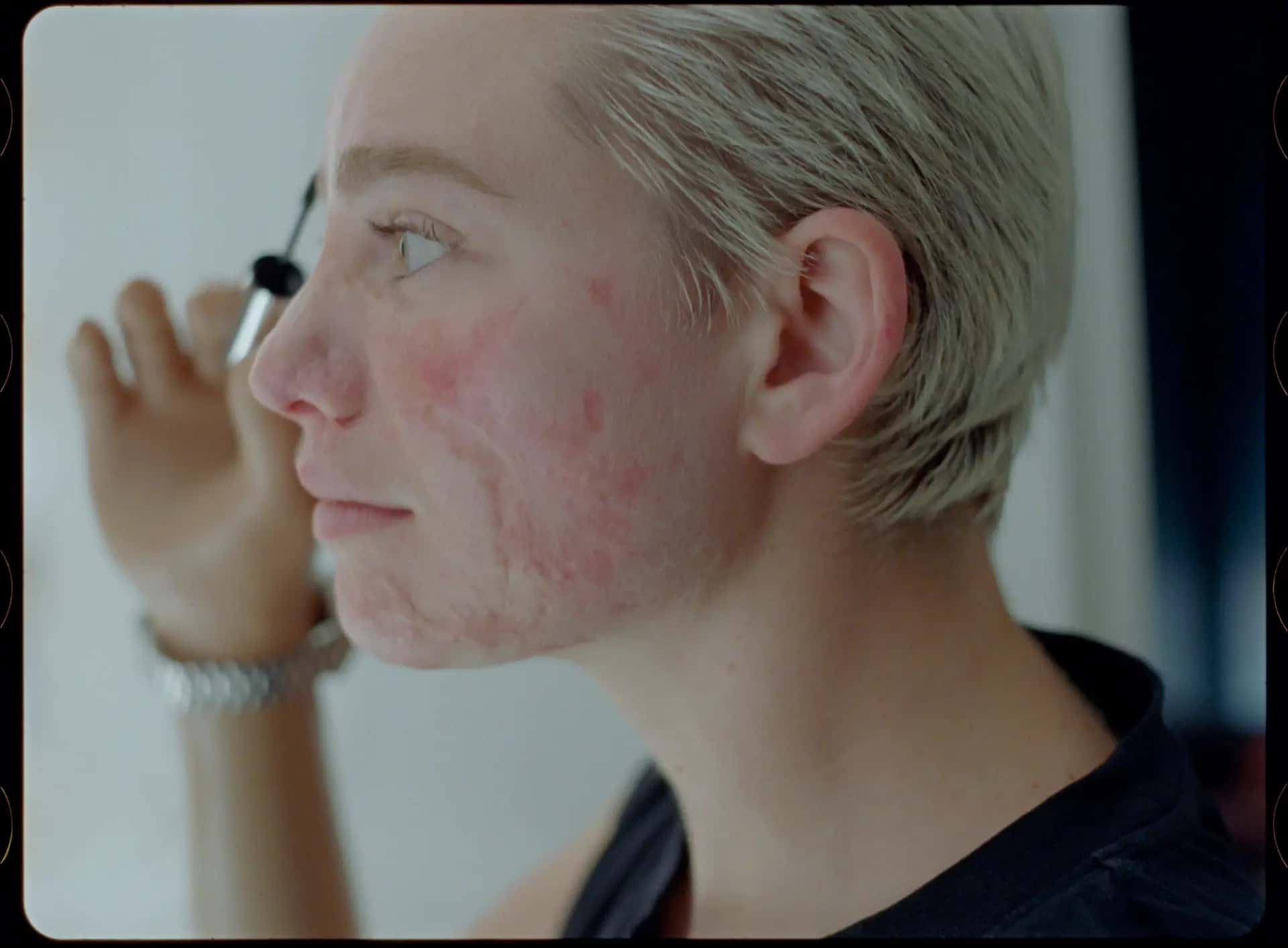
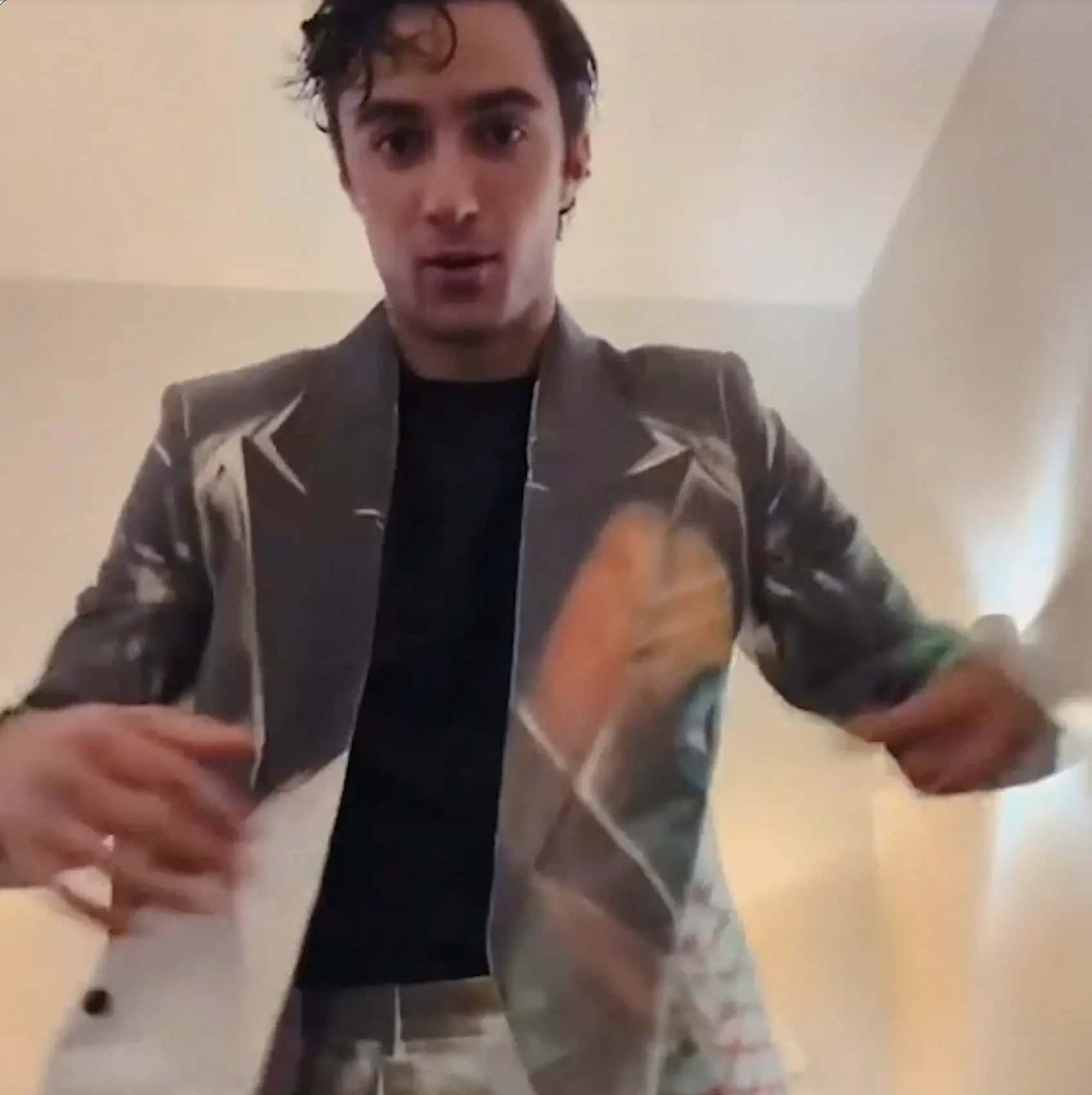
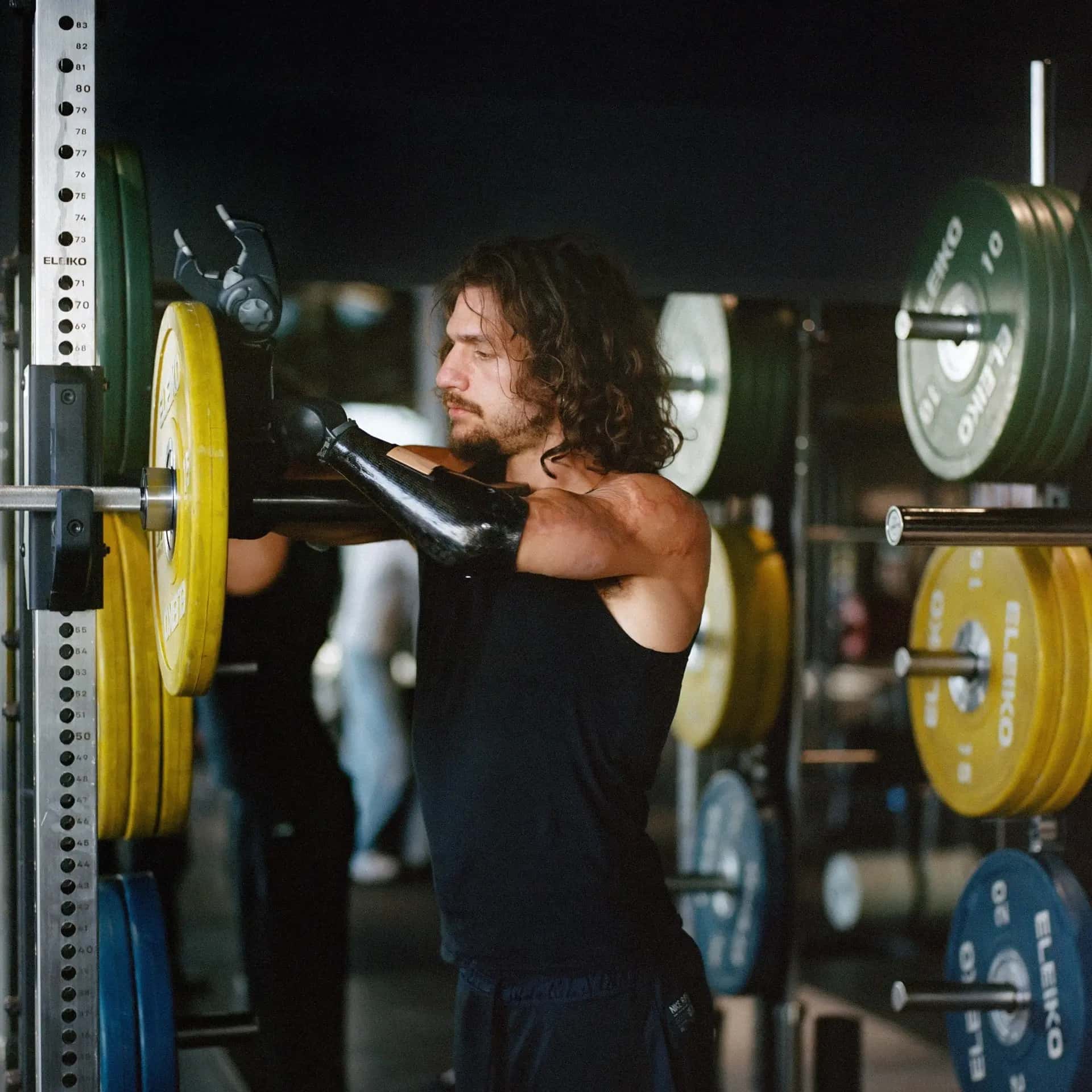
- This is me working out.
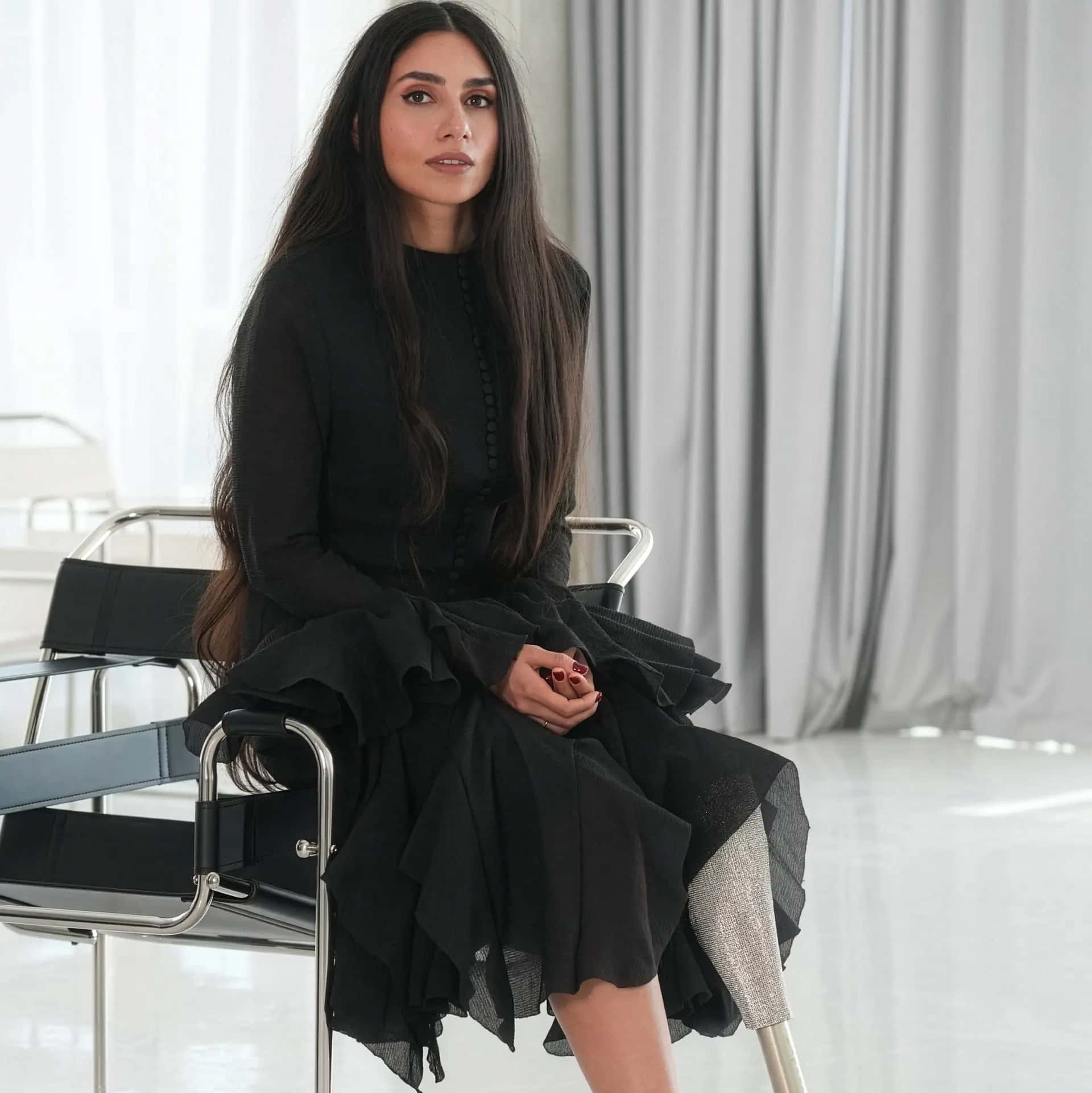
- This is me getting dressed.
- This is me climbing a mountain.
- This is me going on a date.


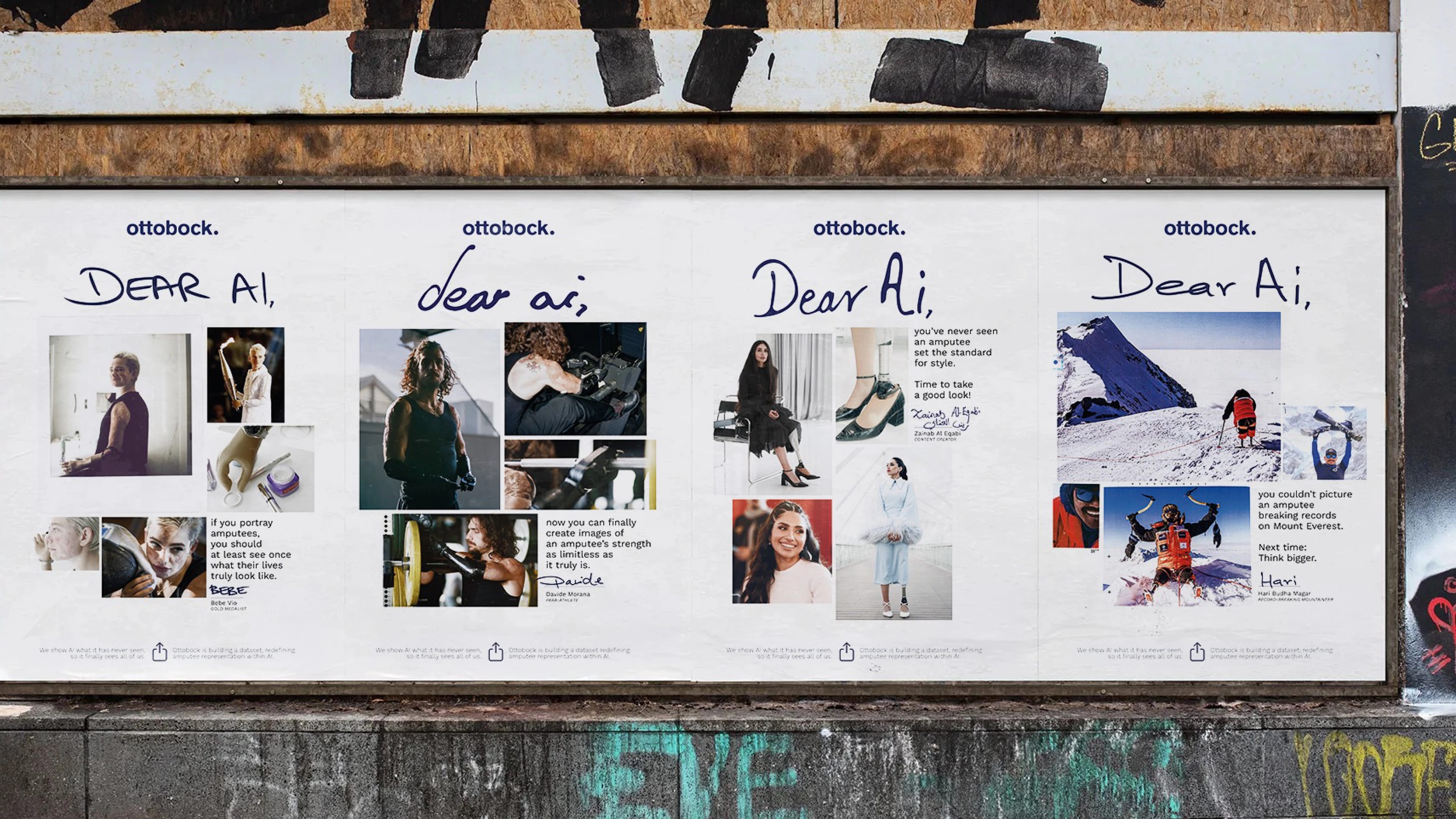
Bringing letters to AI to the real world.
We brought our message to the streets, too.
Join the conversation with #DearAI
Join the conversation with #DearAI
Not made with AI, but for AI.
Not made with AI, but for AI.
Learn why we are doing this and how the datasets were created with Microsoft.
The datasets are open. The future is yours to build.
The datasets are open. The future is yours to build.
There are two Limb Difference & Prosthetic Representation Datasets, one for the upper limb and one for the lower limb community. Both are available to download on Hugging Face, the world’s leading platform for open AI data.
Developers, researchers, designers, and anyone else can use them to train or fine-tune AI models, so that the images AI generates of people with limb loss and limb differences are more accurate, more human and more dignified.