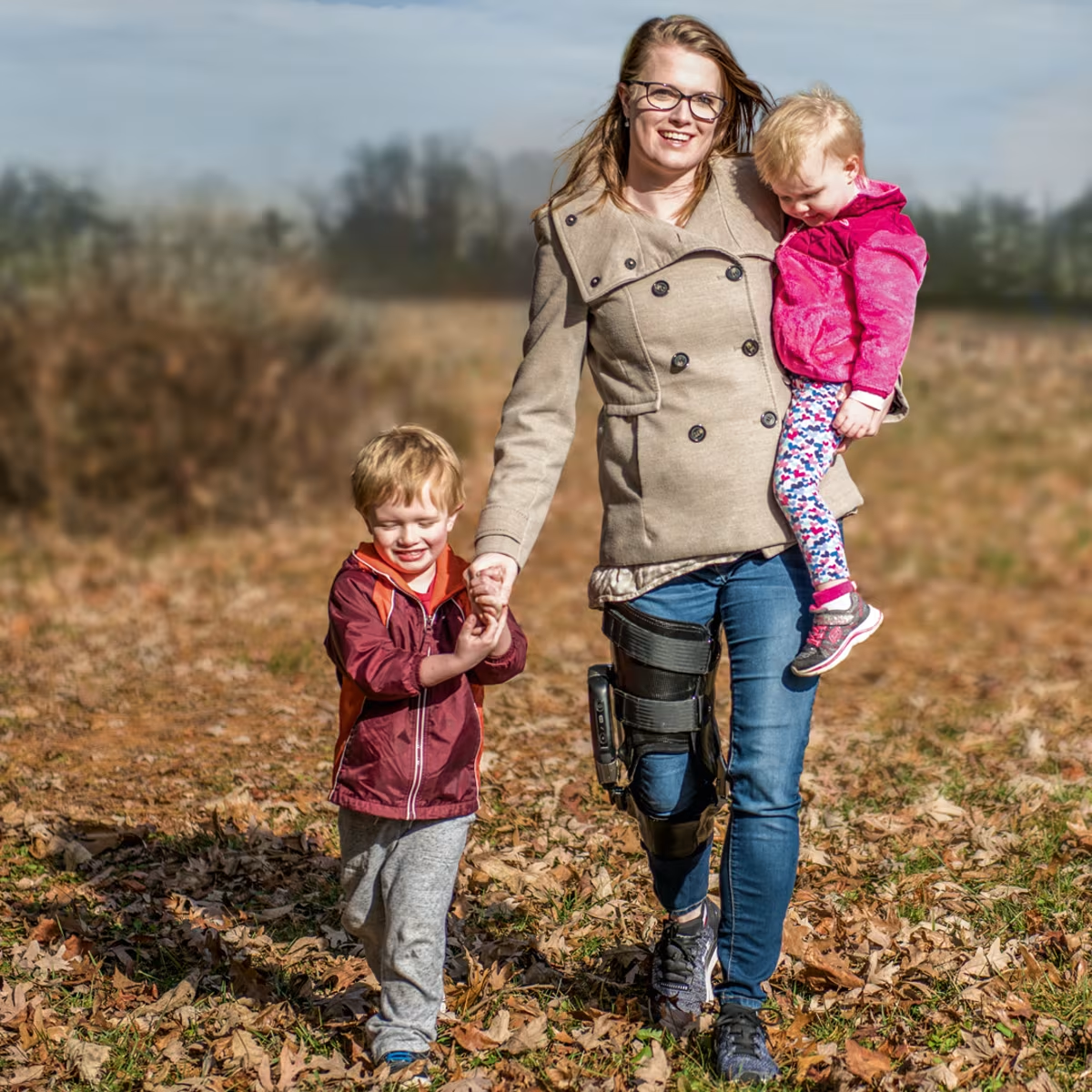
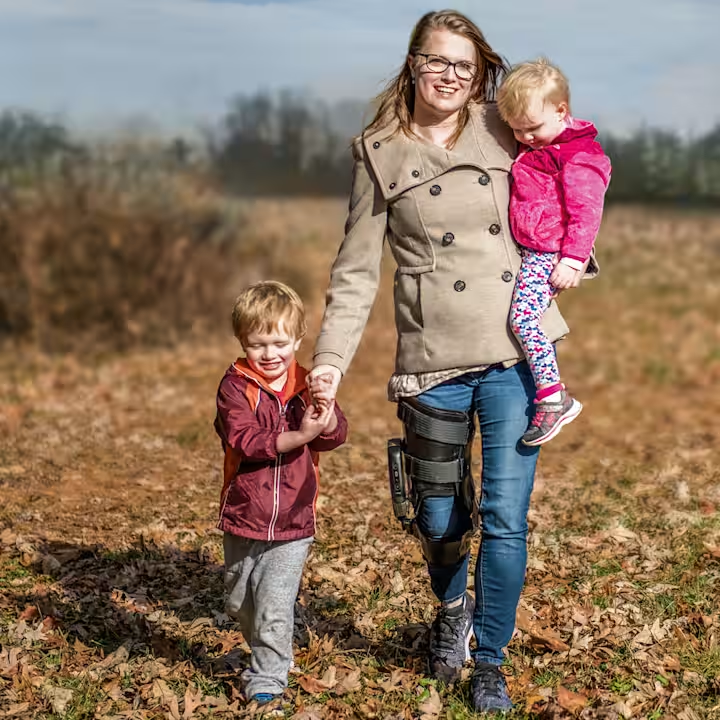
The C-Brace orthotronic mobility system
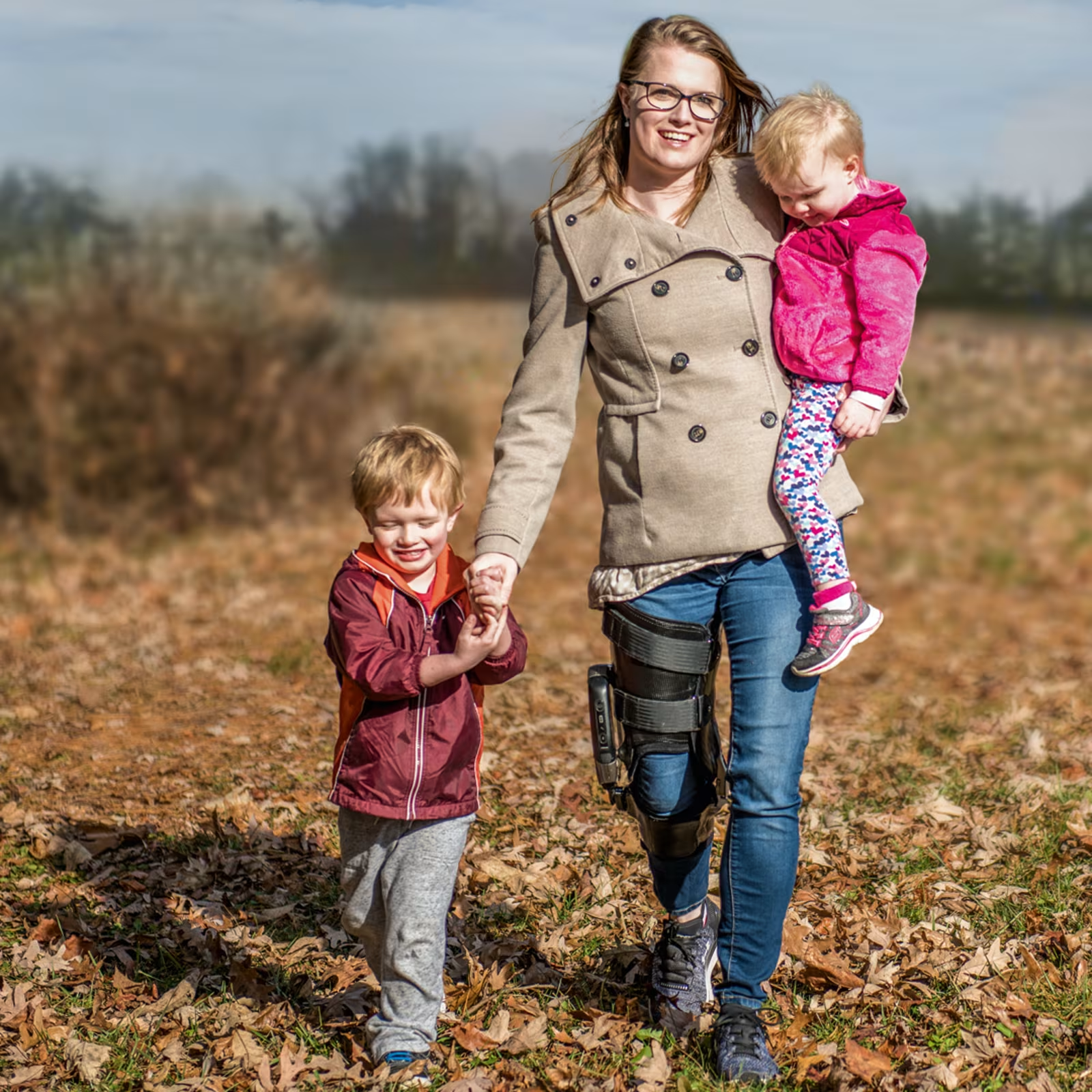
The C-Brace® is the world’s only computer-controlled KAFO that uses sensor technology to control both the stance and swing phase.
The C-Brace® is the world’s only computer-controlled KAFO that uses sensor technology to control both the stance and swing phase.
Ottobock orthoses and supports
For more than 100 years, Ottobock has been collaborating with other specialists to develop functional orthopaedic devices. Our goal is to help people move more freely and with less pain, correct malpositions and provide effective support for the healing process. Orthoses and supports have proven to be particularly effective for these purposes. They allow injured ligaments, joints and bones to heal. In addition, they can preserve functionality even in permanently impaired limbs and reduce pain.
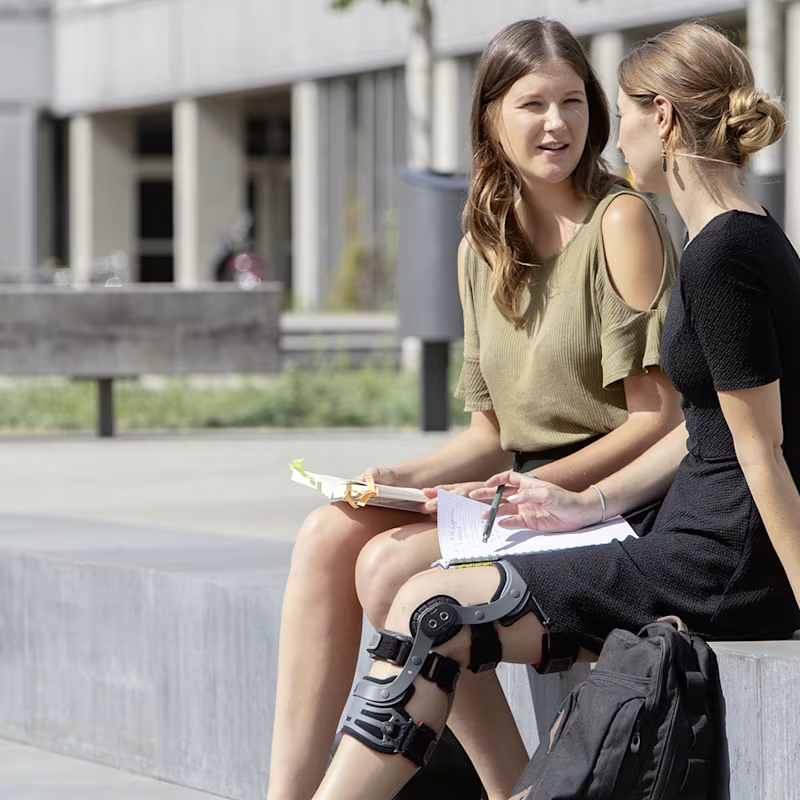
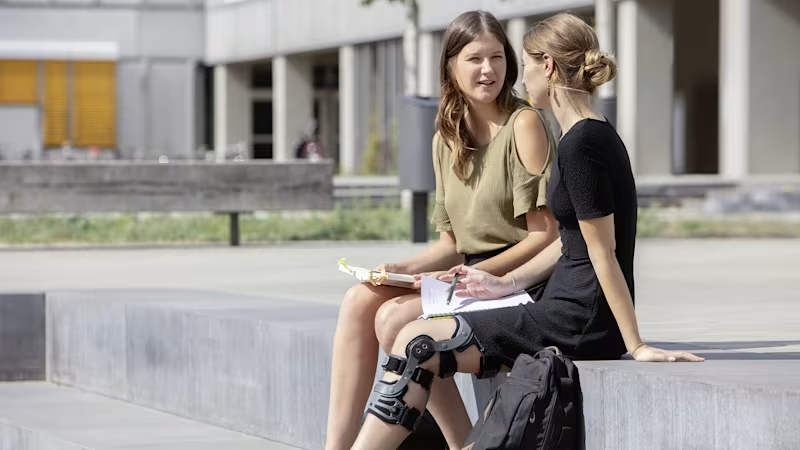
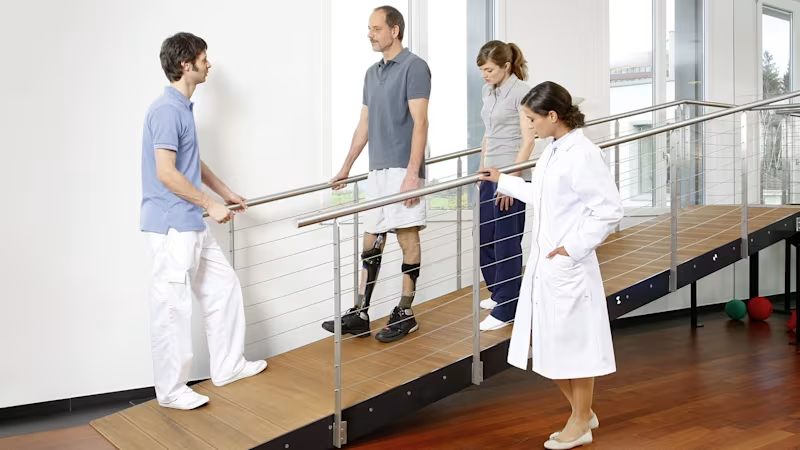
Orthopaedic devices such as supports and orthoses are extremely effective in augmenting other courses of treatment or therapy that your doctor prescribes. Orthoses have even been proven to stabilise and immobilise affected joints or limbs in people with paralysis. Orthoses for users with paralysis – for example, ankle-foot orthoses or knee-ankle-foot orthoses such as the Ottobock FreeWalk – are made to order by O&P professionals and are an ideal long-term solution for the treatment of individuals with complete or partial paralysis of one or both legs. These orthoses help people regain maximum freedom of movement despite their limitations.
When developing new products, Ottobock liaises closely with renowned O&P professionals, doctors and therapists. Our aim is to create orthoses and supports for everyday life that are as easy as possible to use. For this reason, we focus not only on durability but also on developing comfortable products with skin-friendly materials that are easy to use. Thanks to their perfect balance of innovation and functionality, our products are exceptionally effective for people who have impairments affecting the locomotor system. This is proven by numerous scientific studies as well.
Throughout the course of our history – spanning more than a century – Ottobock has consistently focused on improving human mobility. Our entire product portfolio is geared towards restoring mobility for people with disabilities, supporting existing functions, easing strain and significantly relieving pain. So if you’re experiencing pain or discomfort, don’t delay – find out more about your treatment options with Ottobock orthoses and reclaim as much of your quality of life as possible.
The right treatment for the symptoms
Each part of your body has different needs, so they need to be addressed and treated on an individual basis in the event of illness or injury. Ottobock offers a wide range of effective orthoses and supports, each of which is designed for a specific part of the body to help your healing process and ease pain or discomfort. Our portfolio includes hand orthoses, arm and shoulder joint orthoses, cervical spine and back orthoses, leg and knee orthoses, ankle joint and foot orthoses and hip orthoses – so whatever your needs, we have the appropriate orthopaedic device. If you’d like to know more, simply click on the respective product group to find a detailed, easy-to-understand descriptions of the respective treatment options.
Hand orthoses
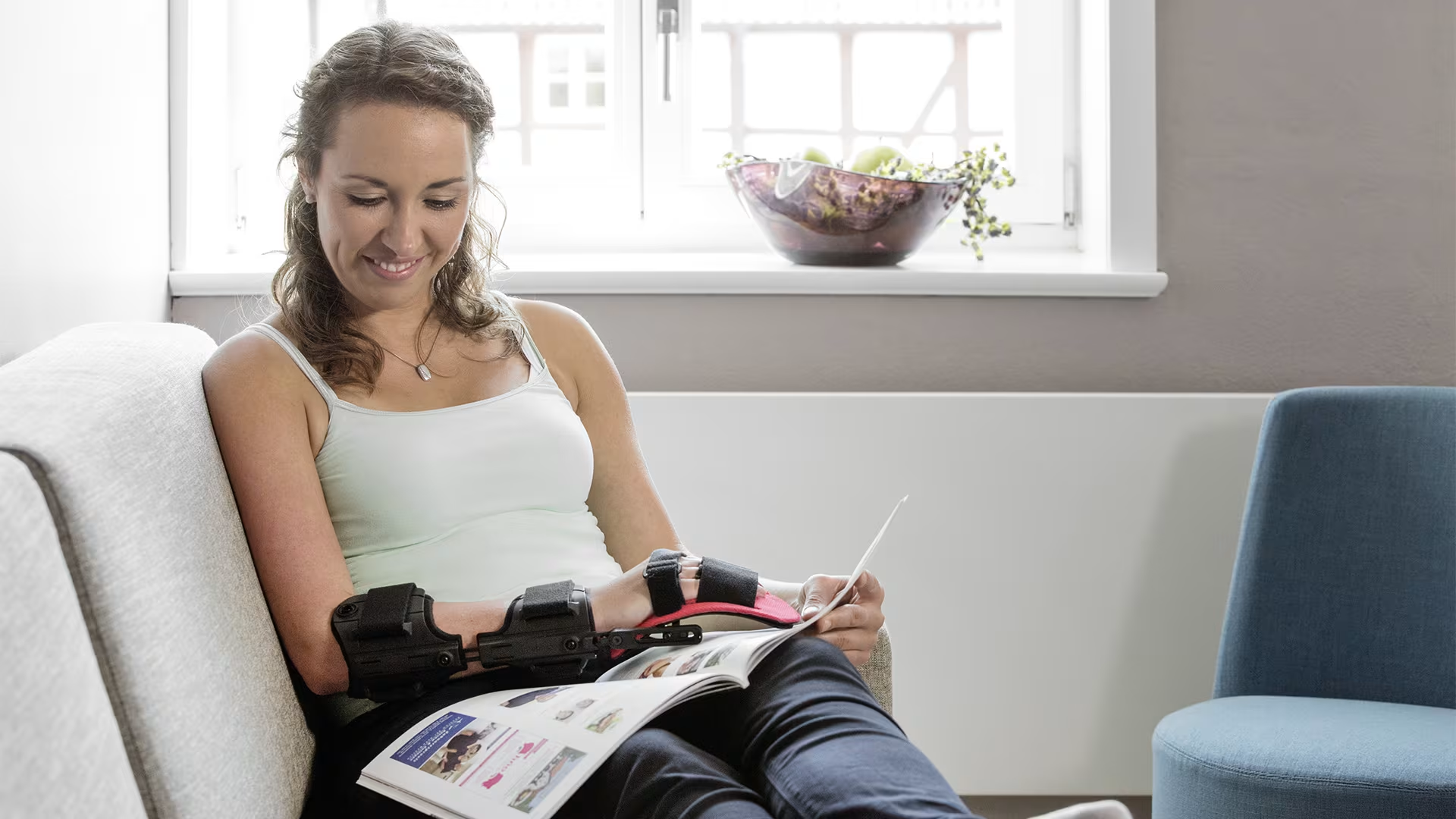
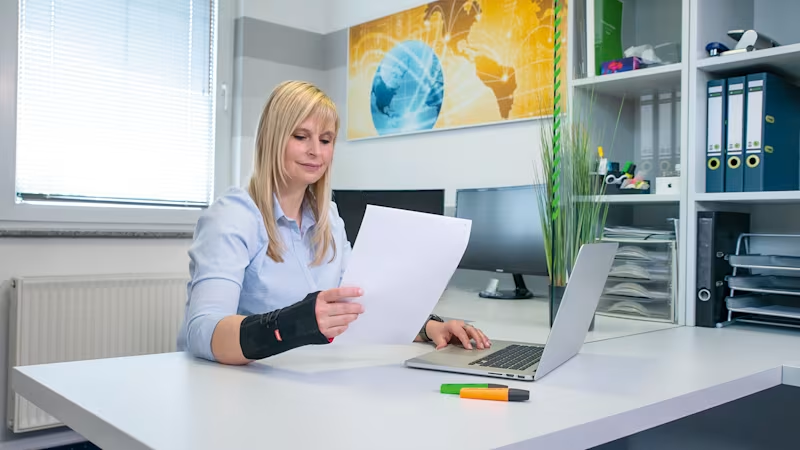
Ottobock hand orthoses effectively stabilise the joints and support the healing process – whether they are used for joint illnesses or injuries. They can also be used to treat neurological disorders. Find out more here!
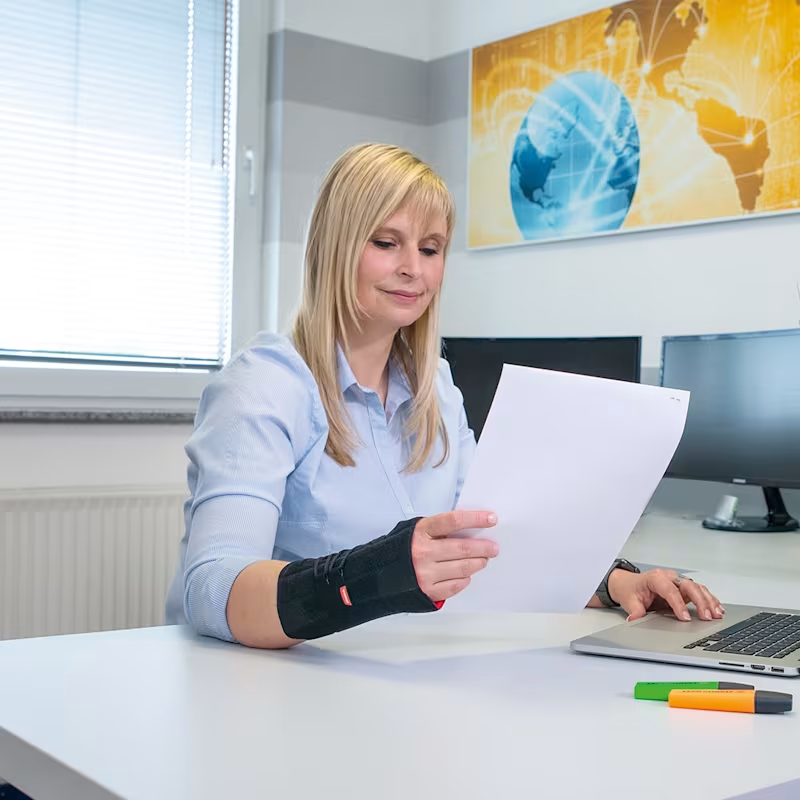


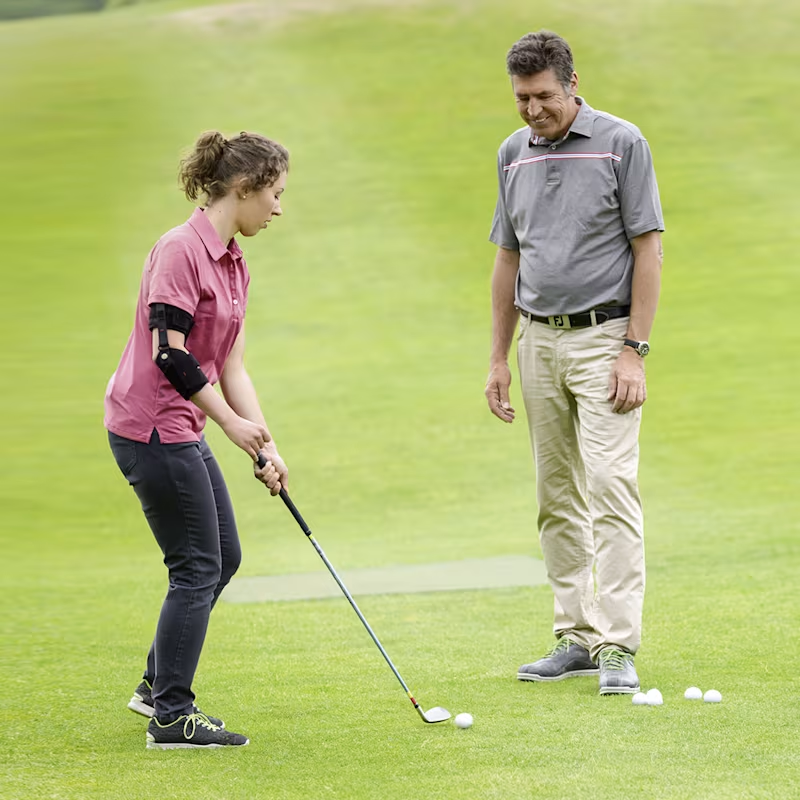


Diagnoses and symptoms that benefit from orthoses
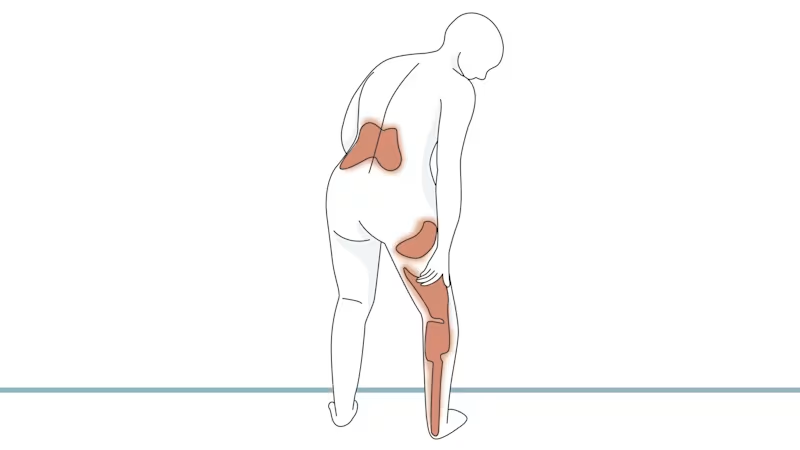
There are many different illnesses and diagnoses that call for orthoses or supports – whether right from the start of treatment or afterwards to support therapy. If you have arthrosis, osteoporosis, multiple sclerosis, a torn ligament, a stroke or an ankle joint injury, you may benefit from using a special support or orthosis to relieve your symptoms. Orthopaedic devices can improve your mobility and general sense of well-being by relieving pain and symptoms that affect your locomotor system. Find out more about the diagnoses and symptoms where an orthosis or support can be useful, and learn about treatment options and diagnostic methods.
What are orthoses and supports?
By definition, supports and orthoses are medical devices that support and protect your locomotor system. They are generally prescribed by a doctor to treat injuries and illnesses of the locomotor system or supporting structures. They support the healing process and improve mobility in people with physical disabilities. Orthoses aim to stabilise, immobilise and relieve strain on the affected joints. They also help people to perform movements correctly. This prevents or counteracts malpositions or excessive strain on a certain area and ensures that limb mobility is corrected. In the case of permanent physical disabilities, an orthosis is intended to help maintain functionality in the affected body area as well as prevent or relieve pain.
Function and design in orthoses and supports
Function
Orthoses and supports can be highly effective for supporting therapy as well as increasing your sense of well-being and correcting malpositions, for example. But in order to do so, they need to be designed for the exact body area and exact symptoms in question. For this reason, Ottobock liaises closely with O&P professionals, doctors and therapists when developing its supports and orthoses. We use specialist expertise from a range of orthopaedic fields to develop products that offer maximum functionality. Made with quality materials, our orthopaedic devices also enjoy a reputation for fitting well and for being pleasant and comfortable to wear. Ottobock meets the highest possible quality standards in these areas.
Design
Naturally, Ottobock’s primary focus is on the functionality of our orthoses and supports. But we’re also well aware that, as evidence shows, people are more likely to wear an orthopaedic product on a regular, long-term basis if it has aesthetic appeal. For this reason, Ottobock involves numerous designers in the development process for new products. Many Ottobock orthoses and supports have won prestigious design awards.
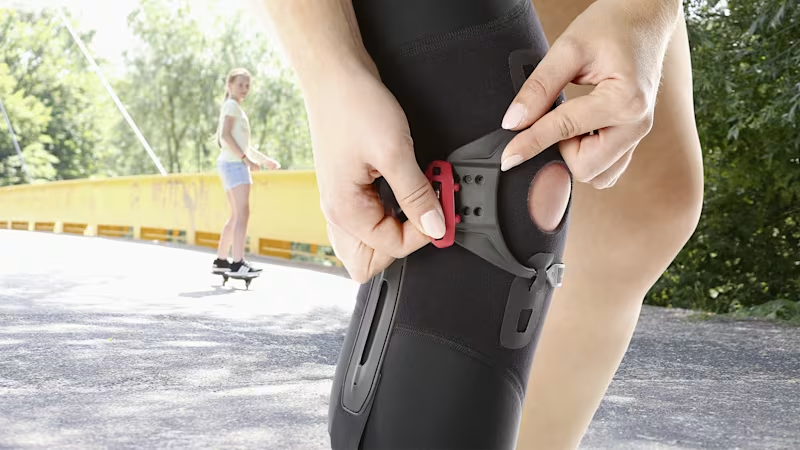
How do you wear an orthosis or a support?
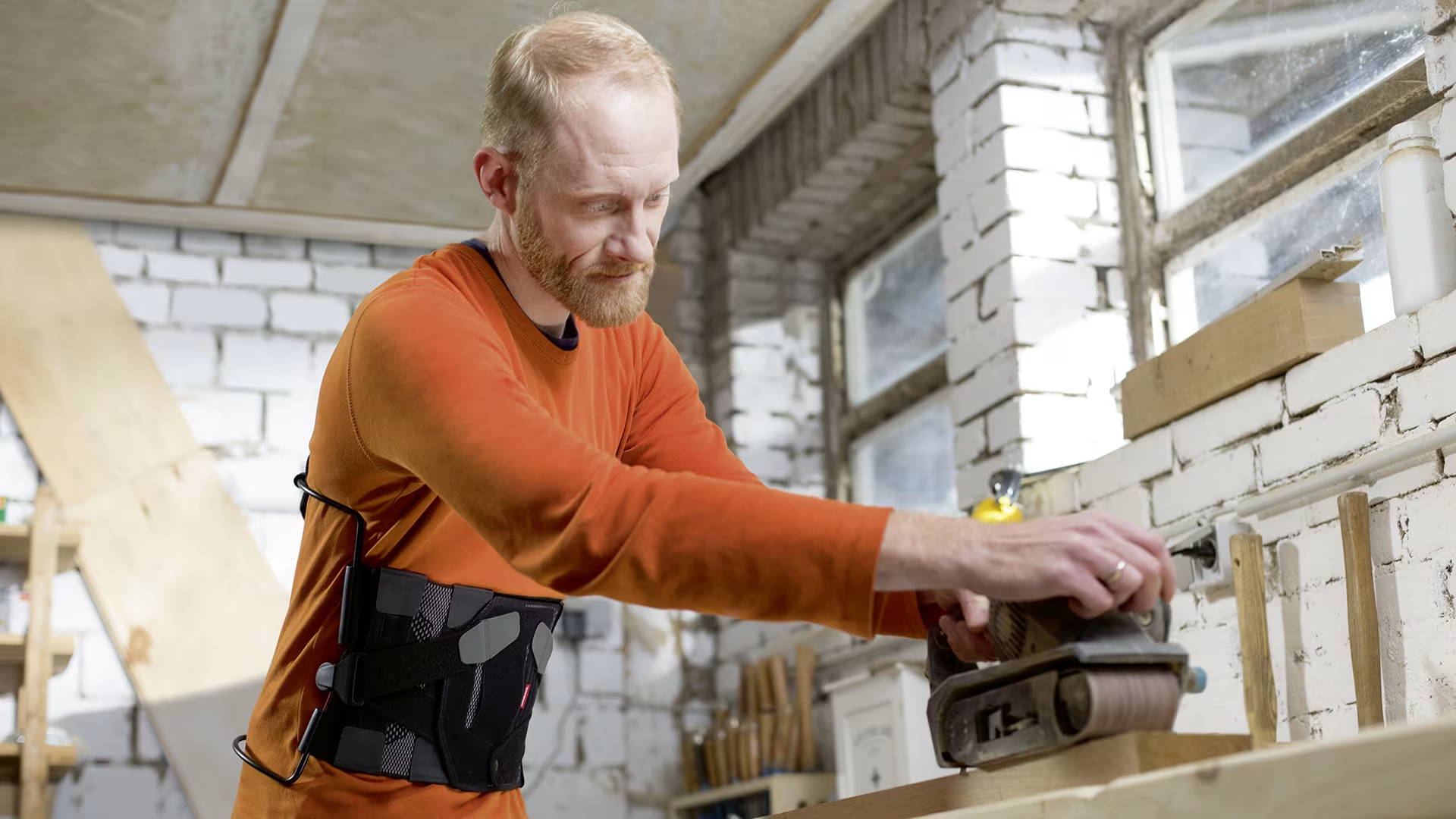
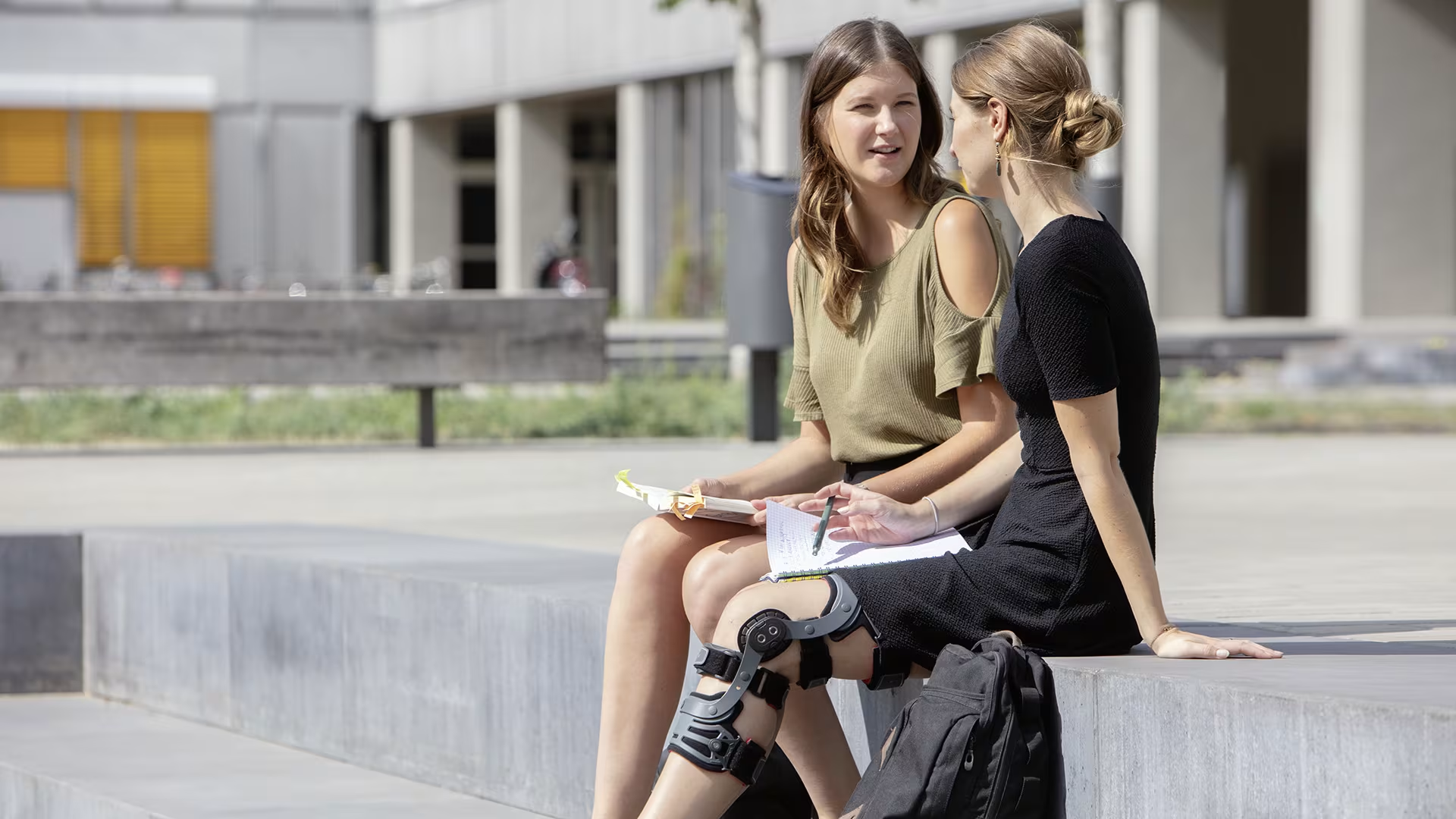
Orthoses and supports are worn directly on the part of the body affected by pain or other symptoms. Depending on the design, a variety of mechanisms can be used to hold them in place, including straps, hook-and-loop closures, press buttons and drawstrings. Many orthopaedic devices can be put on by the user without outside help. In order to prevent circulatory disorders, orthoses and supports should always be optimally adjusted to the user to ensure they fit perfectly. A good fit is important not just to make the orthopaedic device as comfortable as possible but also to ensure it can actually perform its required function, whether this is correcting a malposition or improving the mobility of a limb. For this reason, orthopaedic devices should always be chosen and used in consultation with your doctor and with an O&P professional.
Practical considerations: health safety.
Finally, it is essential to be aware of medical contraindications. Not everyone is an immediate candidate for every type of orthosis. For instance, individuals with severe circulatory disorders, active skin infections at the site of the device, or extreme lymphedema (swelling) may need to address those issues before a rigid orthosis can be worn.
Regular skin checks are mandatory, especially in the early weeks of wearing a new device, to ensure that no pressure sores are developing. By maintaining a close relationship with a doctor or O&P professional and following a gradual break-in schedule, users can safely maximize the benefits of their mobility aid.