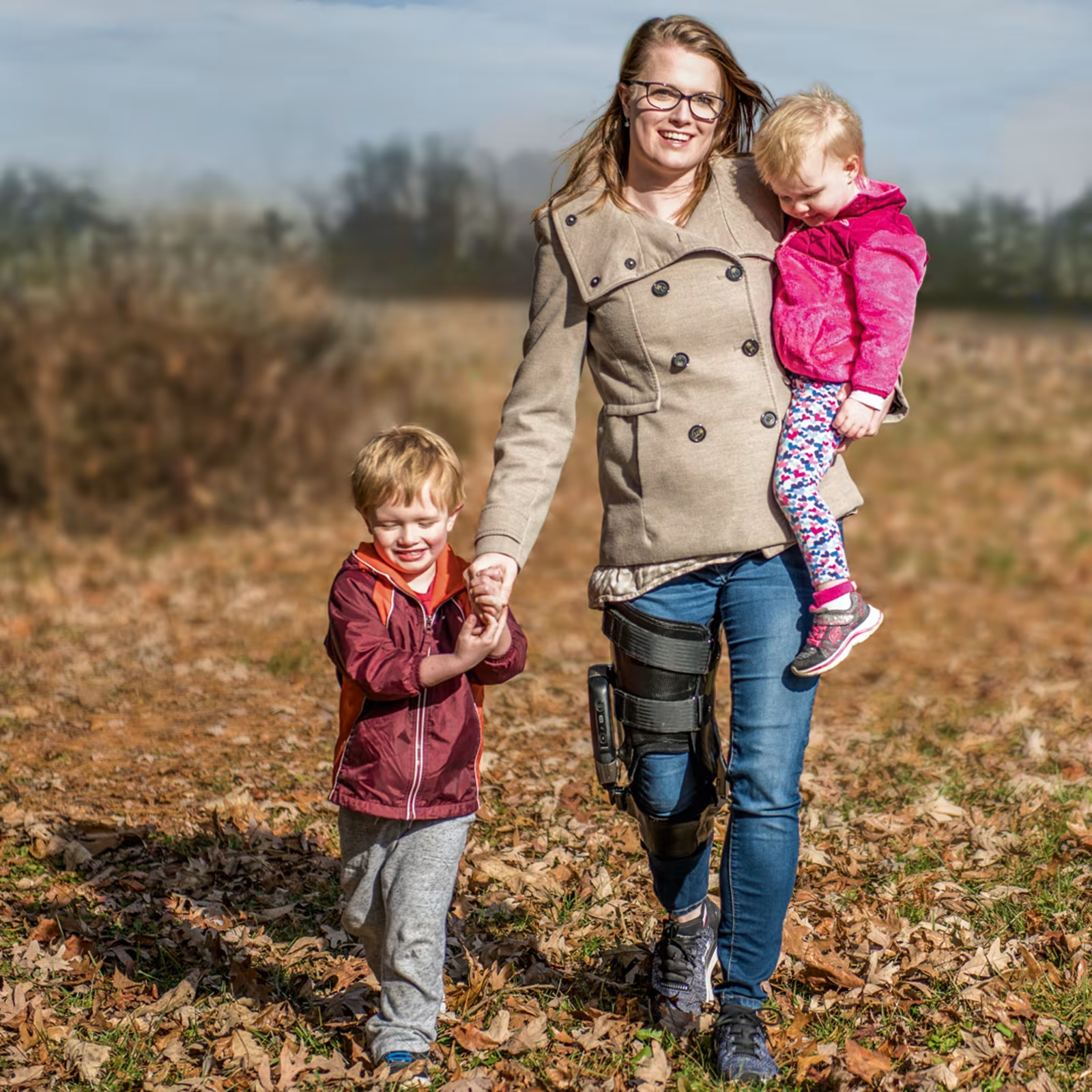
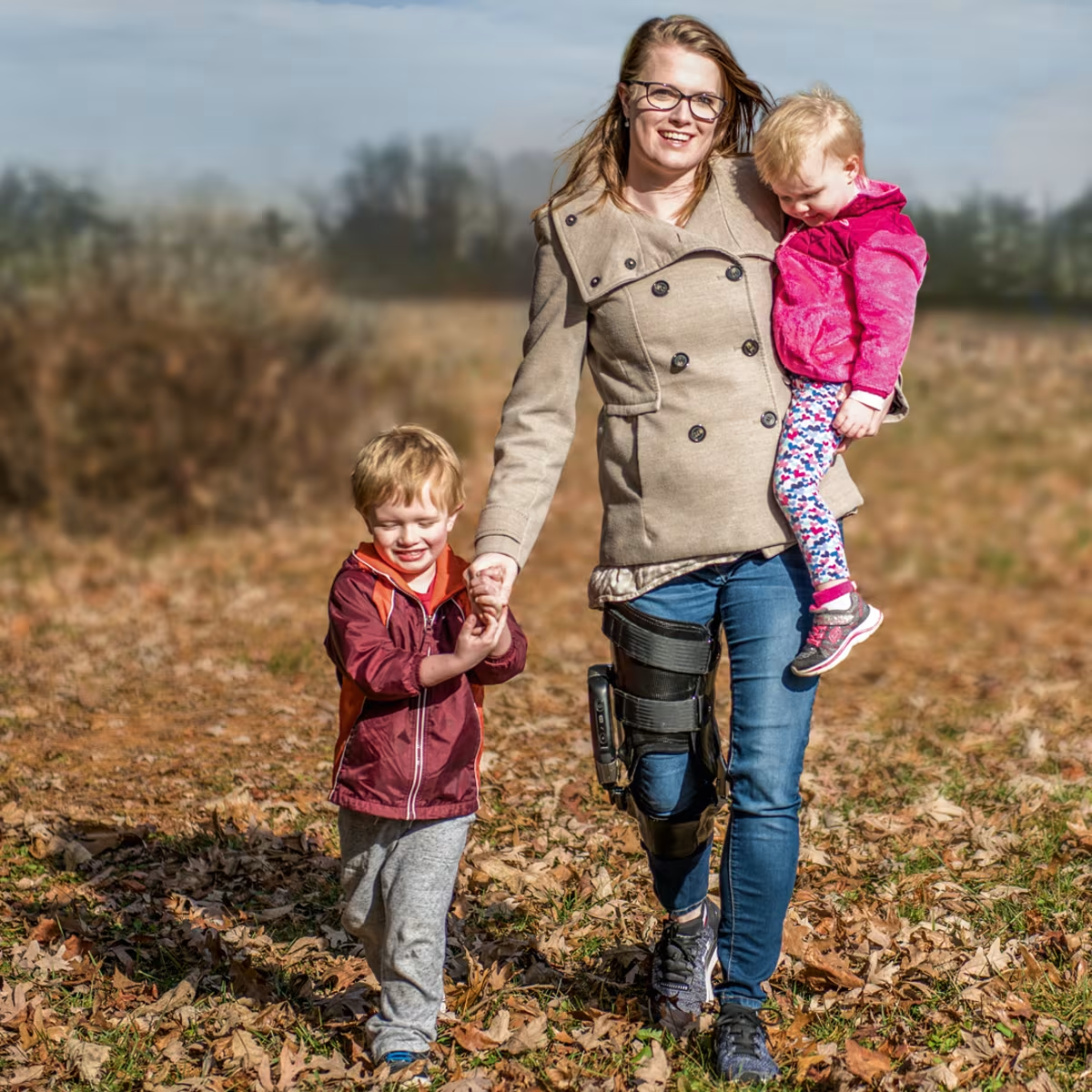

The C-Brace orthotronic mobility system.
The C-Brace is the world’s only computer-controlled KAFO that uses sensor technology to control both the stance and swing phase.
The C-Brace is the world’s only computer-controlled KAFO that uses sensor technology to control both the stance and swing phase.
Ottobock orthoses and support.
For more than 100 years, Ottobock has been collaborating with other specialists to develop functional orthopaedic devices. Our goal is to help people move more freely and with less pain, correct malpositions and provide effective support for the healing process. Orthoses and supports have proven to be particularly effective for these purposes. They allow injured ligaments, joints and bones to heal. In addition, they can preserve functionality even in permanently impaired limbs and reduce pain.
Orthopaedic devices such as supports and orthoses are extremely effective in augmenting other courses of treatment or therapy that your doctor prescribes. Orthoses have even been proven to stabilise and immobilise affected joints or limbs in people with paralysis. Orthoses for users with paralysis – for example, ankle-foot orthoses or knee-ankle-foot orthoses such as the Ottobock FreeWalk – are made to order by O&P professionals and are an ideal long-term solution for the treatment of individuals with complete or partial paralysis of one or both legs. These orthoses help people regain maximum freedom of movement despite their limitations.
When developing new products, Ottobock liaises closely with renowned O&P professionals, doctors and therapists. Our aim is to create orthoses and supports for everyday life that are as easy as possible to use. For this reason, we focus not only on durability but also on developing comfortable products with skin-friendly materials that are easy to use. Thanks to their perfect balance of innovation and functionality, our products are exceptionally effective for people who have impairments affecting the locomotor system. This is proven by numerous scientific studies as well.
Throughout the course of our history – spanning more than a century – Ottobock has consistently focused on improving human mobility. Our entire product portfolio is geared towards restoring mobility for people with disabilities, supporting existing functions, easing strain and significantly relieving pain. So if you’re experiencing pain or discomfort, don’t delay – find out more about your treatment options with Ottobock orthoses and reclaim as much of your quality of life as possible.
The right treatment for the symptoms.
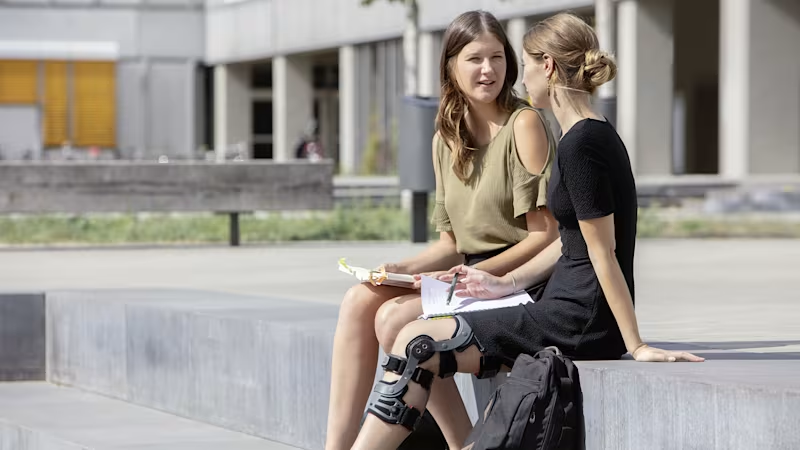
Each part of your body has different needs, so they need to be addressed and treated on an individual basis in the event of illness or injury. Ottobock offers a wide range of effective orthoses and supports, each of which is designed for a specific part of the body to help your healing process and ease pain or discomfort. Our portfolio includes hand orthoses, arm and shoulder joint orthoses, cervical spine and back orthoses, leg and knee orthoses, ankle joint and foot orthoses and hip orthoses – so whatever your needs, we have the appropriate orthopaedic device. If you’d like to know more, simply click on the respective product group to find a detailed, easy-to-understand descriptions of the respective treatment options.
Hand orthoses.
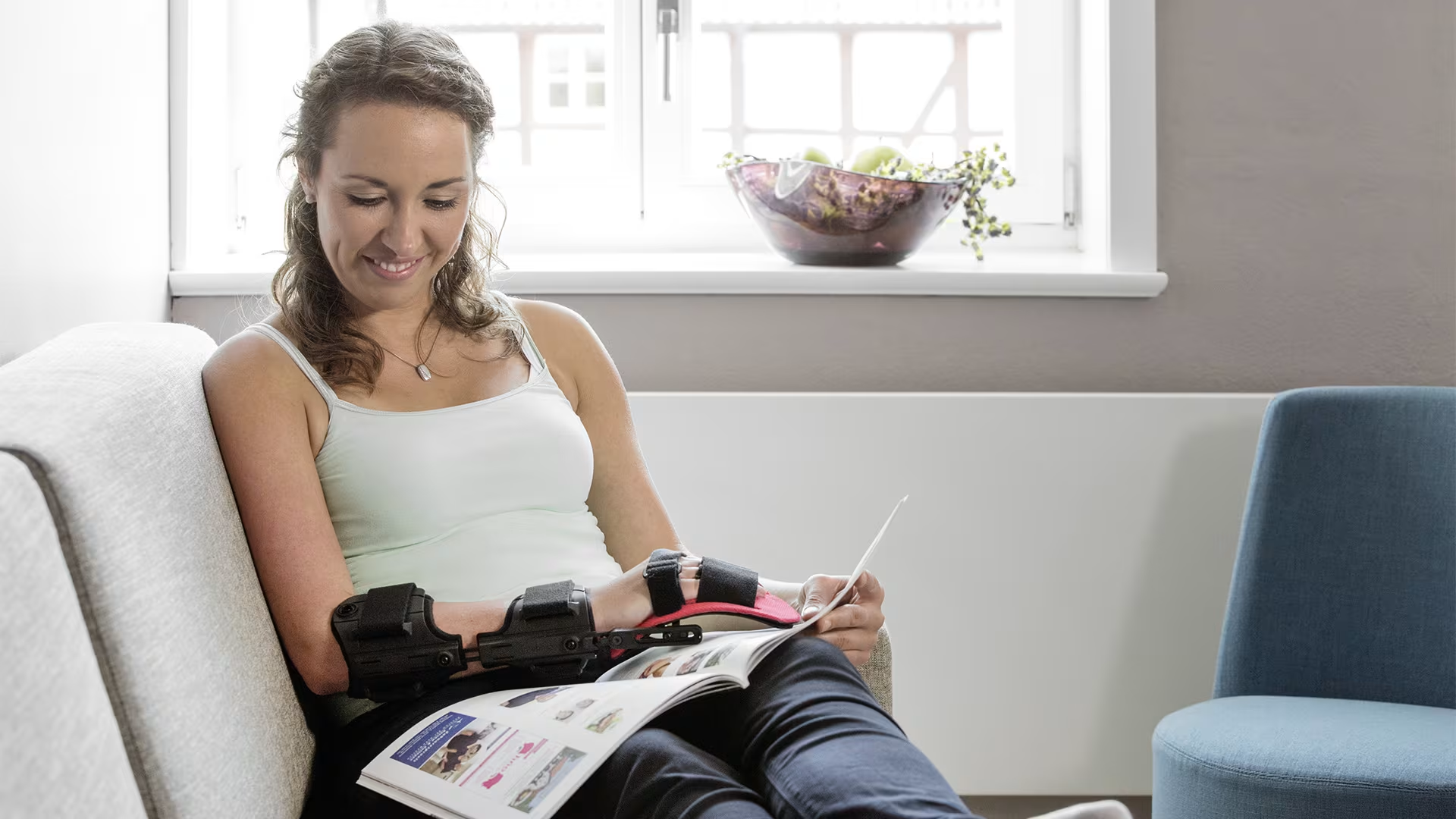
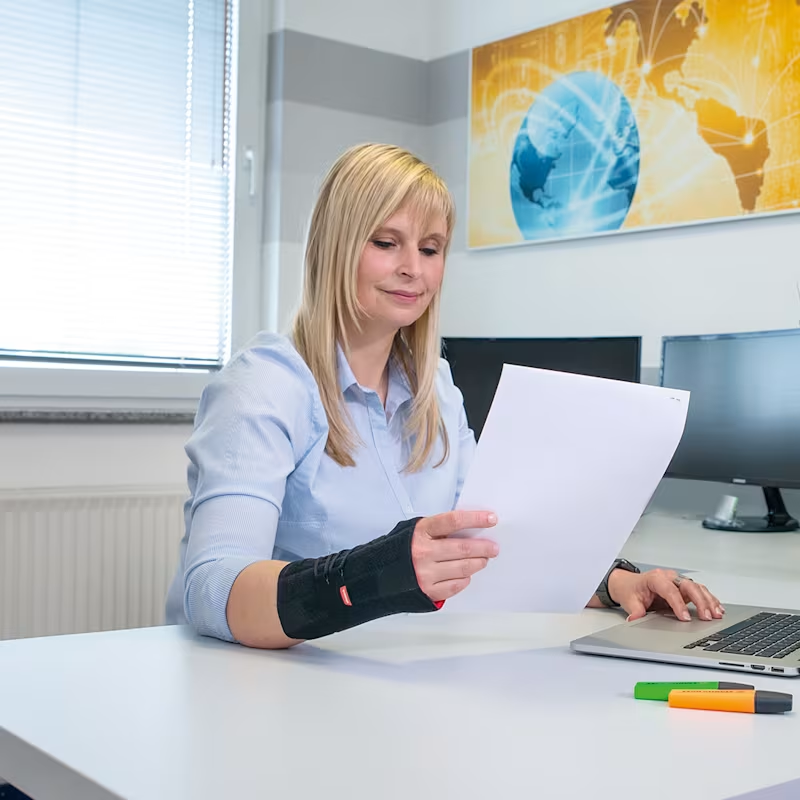
Ottobock hand orthoses effectively stabilise the joints and support the healing process – whether they are used for joint illnesses or injuries. They can also be used to treat neurological disorders. Find out more here!




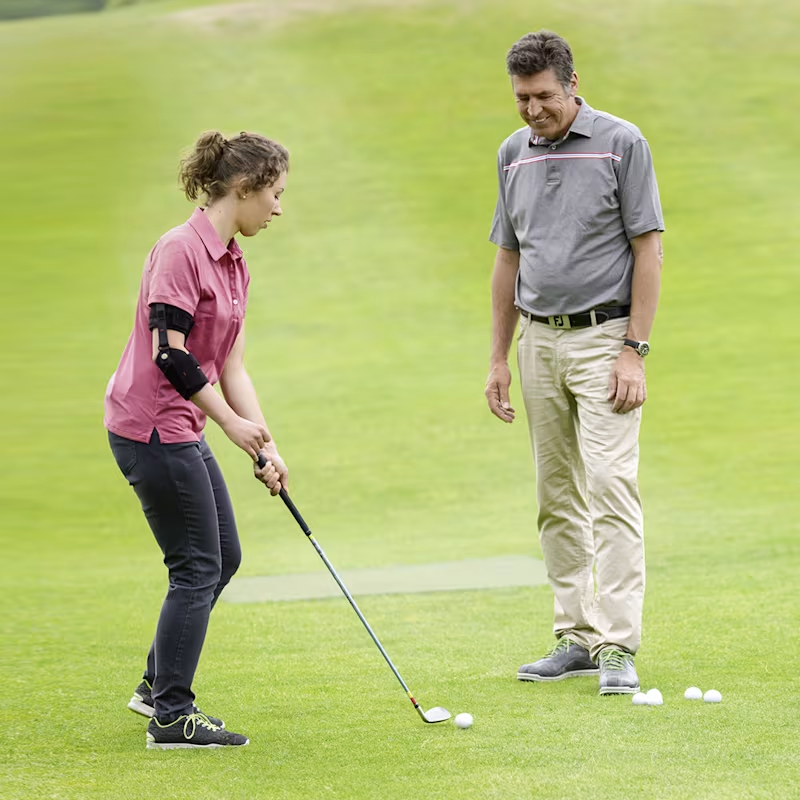
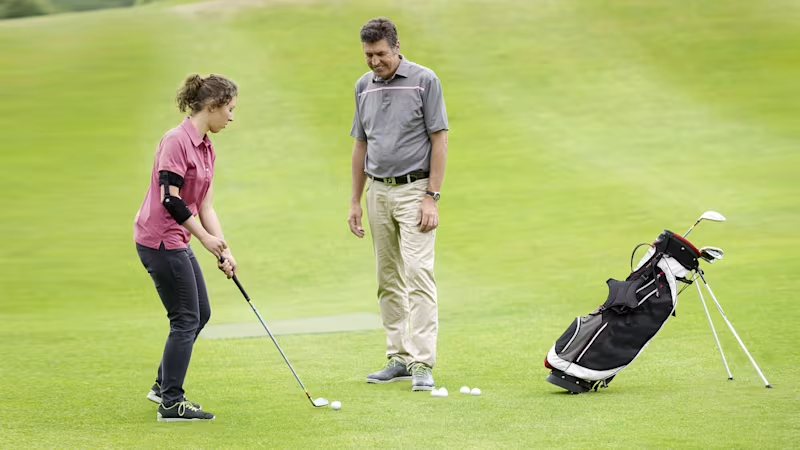


Diagnoses and symptoms that benefit from orthoses.
There are many different illnesses and diagnoses that call for orthoses or supports – whether right from the start of treatment or afterwards to support therapy. If you have arthrosis, osteoporosis, multiple sclerosis, a torn ligament, a stroke or an ankle joint injury, you may benefit from using a special support or orthosis to relieve your symptoms. Orthopaedic devices can improve your mobility and general sense of well-being by relieving pain and symptoms that affect your locomotor system. Find out more about the diagnoses and symptoms where an orthosis or support can be useful, and learn about treatment options and diagnostic methods.
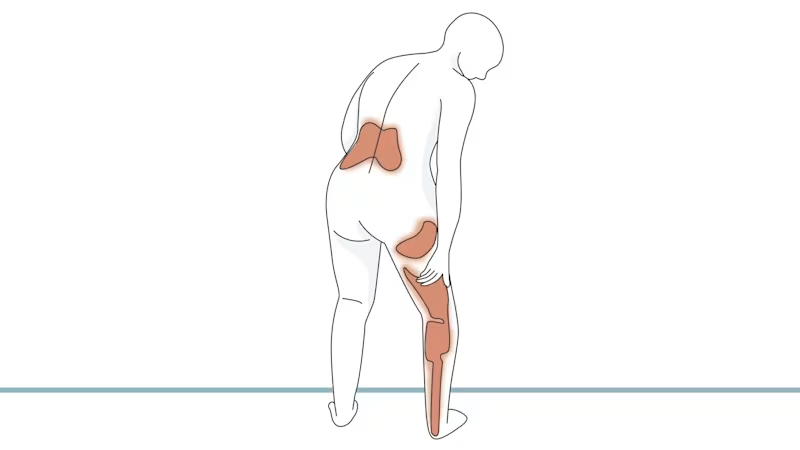
What are orthoses and supports?
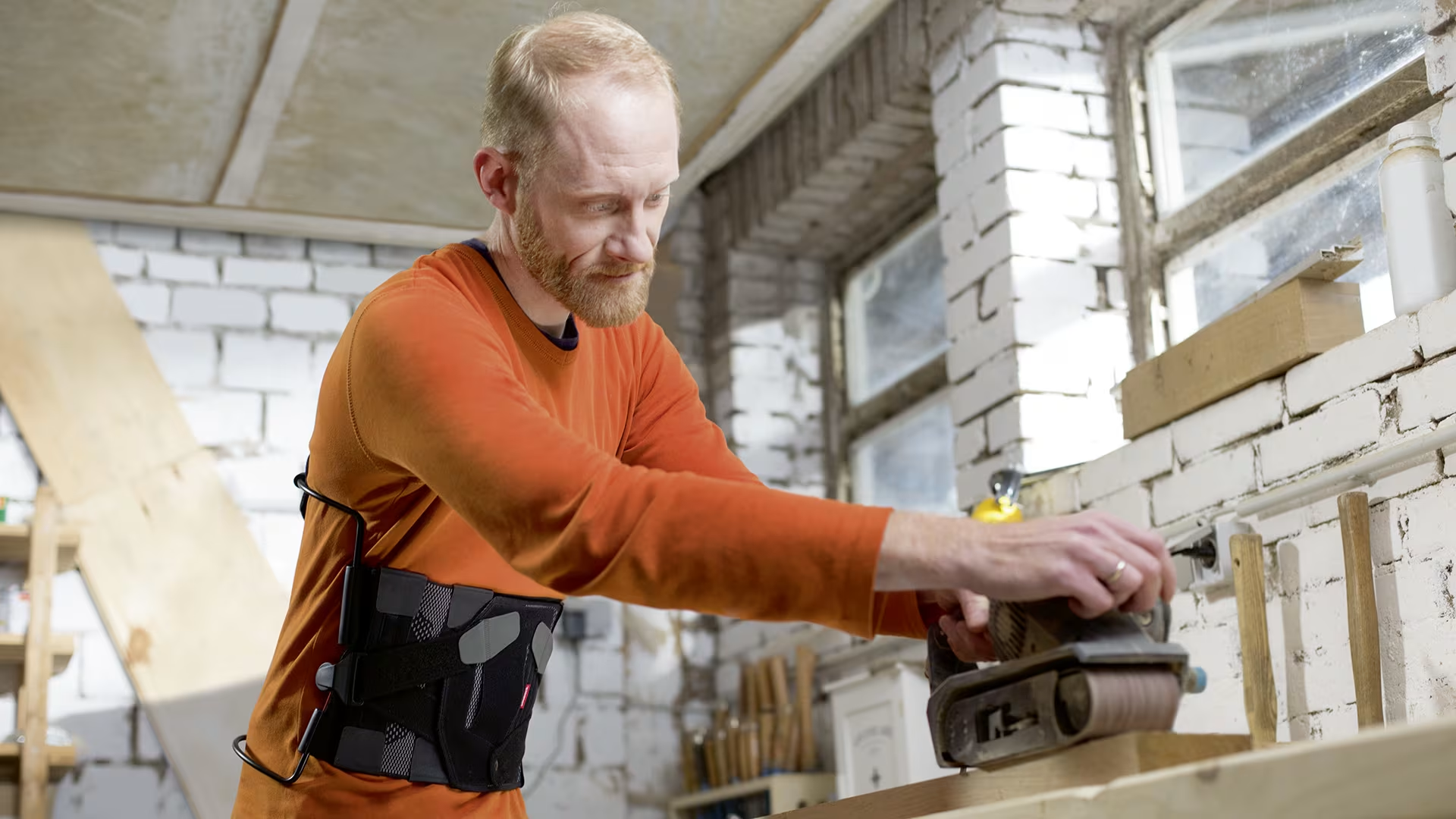
By definition, supports and orthoses are medical devices that support and protect your locomotor system. They are generally prescribed by a doctor to treat injuries and illnesses of the locomotor system or supporting structures. They support the healing process and improve mobility in people with physical disabilities. Orthoses aim to stabilise, immobilise and relieve strain on the affected joints. They also help people to perform movements correctly. This prevents or counteracts malpositions or excessive strain on a certain area and ensures that limb mobility is corrected. In the case of permanent physical disabilities, an orthosis is intended to help maintain functionality in the affected body area as well as prevent or relieve pain.
What’s the difference between an orthosis and a support?
Orthoses.
In general, an orthosis is made of a sturdy, rigid material and includes functional elements such as straps, stirrups, joints or rods. Depending on the requirement, they can be used to immobilise (prevent movement), mobilise, relieve or stabilise a certain area of the body, or to correct malpositions in limbs and joints. In other words, an orthosis can be used either to completely immobilise the affected part of the body or to mobilise it in a controlled manner. Orthoses can also be used to correct the position or movement of a limb. In addition, there are special neuro-orthoses that can replace missing or impaired body functions. These are used, for example, in cases where an individual has complete or partial paralysis in their arms or legs following a stroke or an illness such as polio. If you believe an orthosis could help, you should always start by consulting your doctor. They will examine you carefully and tell you whether or not an orthosis is the right orthopaedic device for your specific symptoms. Ideally, the doctor will then consult an O&P professional to find the appropriate product for your needs.

Supports.
Unlike orthoses, supports are generally made of flexible fabrics combined with pads (elastic inserts integrated into the support). In most cases, supports are used to stabilise joints. First, the flexible fabric exerts a certain amount of pressure on the affected body part, which in turn stimulates muscle receptors. The integrated pads also massage the joint area, which helps to reduce oedema, bruising and haematoma. As with orthoses, supports should be used only after a thorough examination by a doctor. Working together with the doctor and an O&P professional, you will be able to find an appropriate product that is available locally.

Custom-made vs. over-the-counter solutions.
When seeking relief from foot pain or joint instability, many people first encounter over-the-counter (OTC) shoe inserts. While mass-produced arch supports can provide temporary comfort for minor fatigue or general strain, they are significantly different from medical-grade, custom-made orthoses. OTC products are generally sized by shoe size and offer a "one-size-fits-most" approach to cushioning. They lack the structural integrity to correct significant biomechanical misalignments or to manage chronic medical conditions like multiple sclerosis or severe arthrosis.
In contrast, a custom-made orthotic device is built from a direct mold of the foot or leg, ensuring that every contour of the anatomy is supported. These are often made from semi-rigid or rigid materials that can provide the specific level of resistance or flexibility the specific condition requires. While the initial cost of a custom device is higher, its durability and medical effectiveness often make it a more sustainable long-term investment. For those with permanent physical disabilities, a custom orthosis is not just an accessory; it is a vital medical tool that preserves joint health and prevents further deformity.
Biomechanical principles: how orthoses correct movement.
Function.
Orthoses do much more than simply hold a limb in place; they are engineered to alter the biomechanics of movement. One of the primary functions of a high-quality orthosis is pressure redistribution. For patients with conditions like diabetes or severe arthritis, a custom foot orthosis can shift weight away from painful "hot spots" or ulcers, allowing the tissue to heal while remaining mobile. By realigning the foot and ankle, these devices can correct malpositions like flat feet (pes planus) or high arches, which, if left untreated, can cause a chain reaction of pain leading up to the knees, hips, and lower back.
Design.
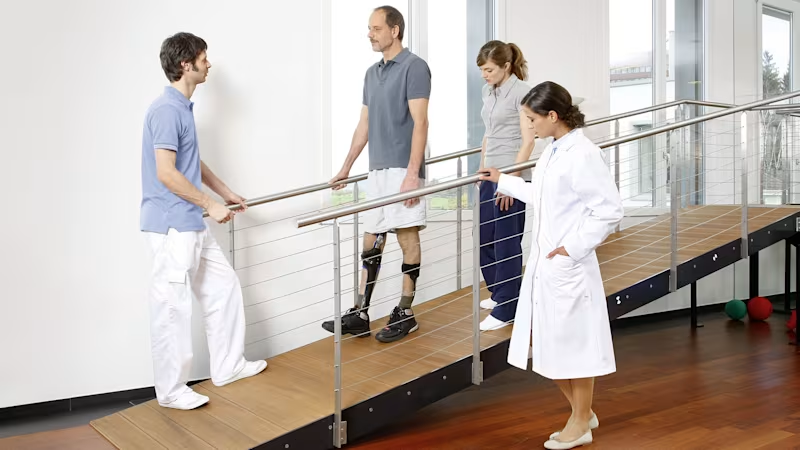
Beyond simple support, advanced leg orthoses are designed to assist during the different phases of walking. During the stance phase, when the foot is in contact with the ground, the orthosis provides the stability needed to bear the body weight safely. During the swing phase, when the leg moves forward, the device ensures the foot clears the ground, preventing trips and falls. This is particularly vital for those with neurological impairments where knee flexion or ankle control is compromised. By improving proprioception — the brain’s ability to sense where the limb is in space — the orthosis helps regain a more natural, fluid, and efficient gait.
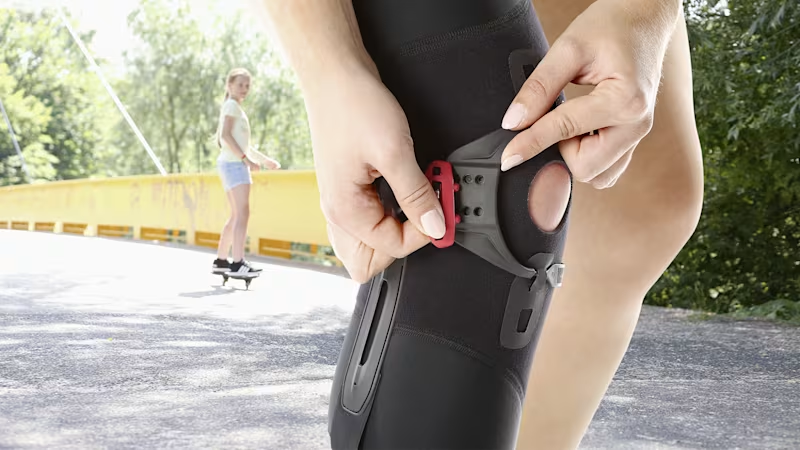
How do you wear an orthosis or a support?
Orthoses and supports are worn directly on the part of the body affected by pain or other symptoms. Depending on the design, a variety of mechanisms can be used to hold them in place, including straps, hook-and-loop closures, press buttons and drawstrings. Many orthopaedic devices can be put on by the user without outside help. In order to prevent circulatory disorders, orthoses and supports should always be optimally adjusted to the user to ensure they fit perfectly. A good fit is important not just to make the orthopaedic device as comfortable as possible but also to ensure it can actually perform its required function, whether this is correcting a malposition or improving the mobility of a limb. For this reason, orthopaedic devices should always be chosen and used in consultation with your doctor and with an O&P professional.
The path to improved mobility: the clinical fitting process.
Understanding how to obtain an orthosis is often the first hurdle for a patient. The journey typically begins with a clinical consultation, where a physician—often an orthopedist, neurologist, or physiatrist—evaluates the physical limitations and medical history to determine if a device is medically necessary. Once a prescription is issued, patients will meet with an O&P (Orthotics and Prosthetics) professional. This specialist performs a comprehensive biomechanical assessment, observing your gait cycle (how the patient walks) and testing the joint range of motion. This data is crucial for selecting a device that doesn't just "fit," but actively improves the movement patterns.
Following the assessment, the creation of a custom orthosis involves impression taking. Unlike off-the-shelf inserts, a custom-made device requires a precise anatomical model of the limb, often captured through advanced 3D digital scanning or traditional plaster casting. This model is then sent to a laboratory where the device is fabricated using high-performance materials like carbon fiber, which offers a perfect balance of lightweight durability and energy return. The process concludes with a fitting and trial session, where the orthotist adjusts straps, alignment, and tension to ensure the device is comfortable and functional. This collaborative approach ensures that the technology, such as the C-Brace, is perfectly synchronized with your body’s unique requirements.
Practical considerations: insurance and health safety.
Navigating the acquisition of a new mobility aid also involves practical hurdles, specifically regarding insurance coverage and medical safety. Most medical-grade orthoses are covered by health insurance providers, provided there is a clear medical necessity and a prescription from a licensed physician. It is important to work with an O&P professional who can provide the necessary documentation and HCPCS coding required for reimbursement. Additionally, the specialist will guide patients on footwear integration, as many advanced orthoses require specific types of orthopedic shoes or extra-depth footwear to ensure correct functionality.
Finally, it is essential to be aware of medical contraindications. Not everyone is an immediate candidate for every type of orthosis. For instance, individuals with severe circulatory disorders, active skin infections at the site of the device, or extreme lymphedema (swelling) may need to address those issues before a rigid orthosis can be worn. Regular skin checks are mandatory, especially in the early weeks of wearing a new device, to ensure that no pressure sores are developing. By maintaining a close relationship with an O&P professional and following a gradual break-in schedule, users can safely maximize the benefits of their mobility aid.