
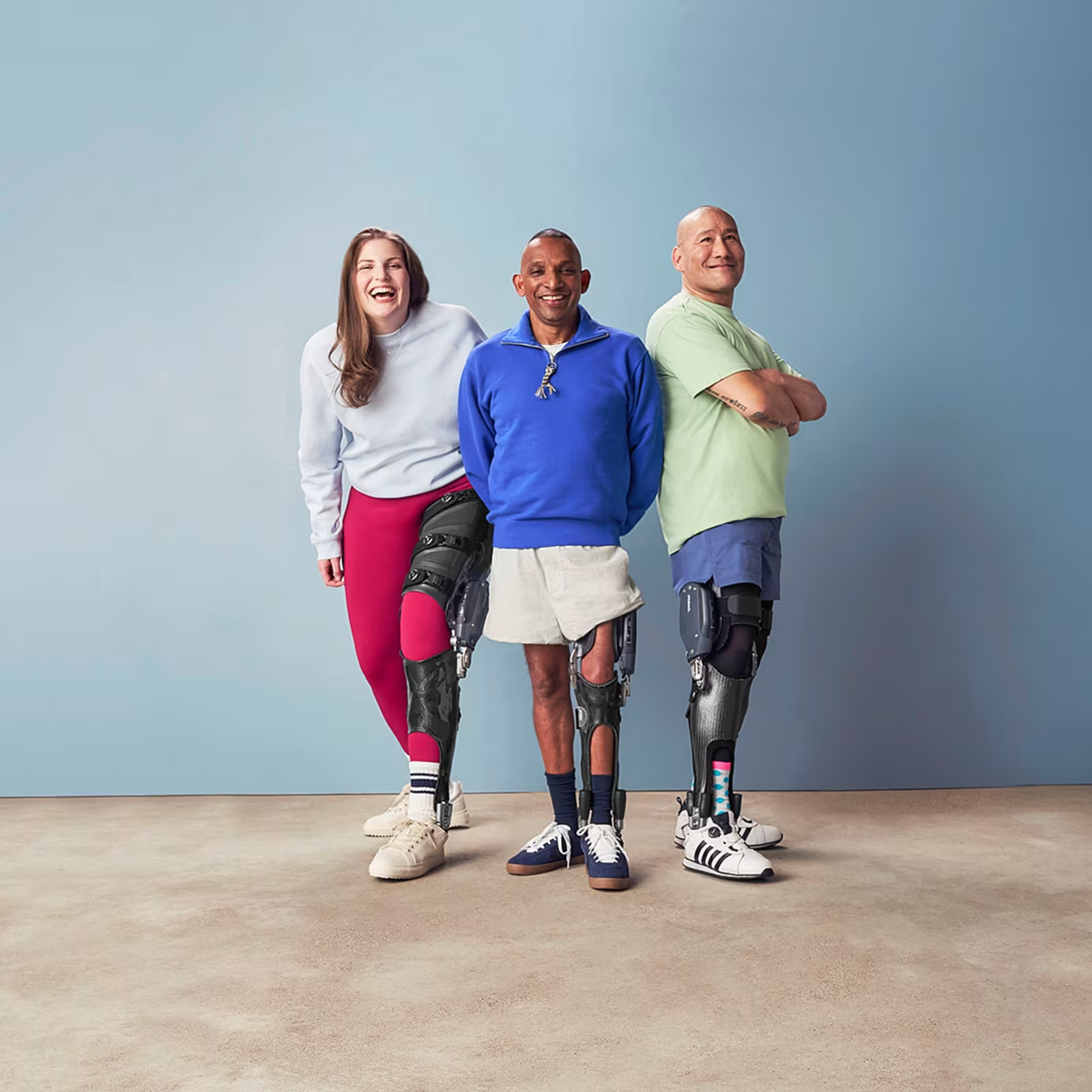
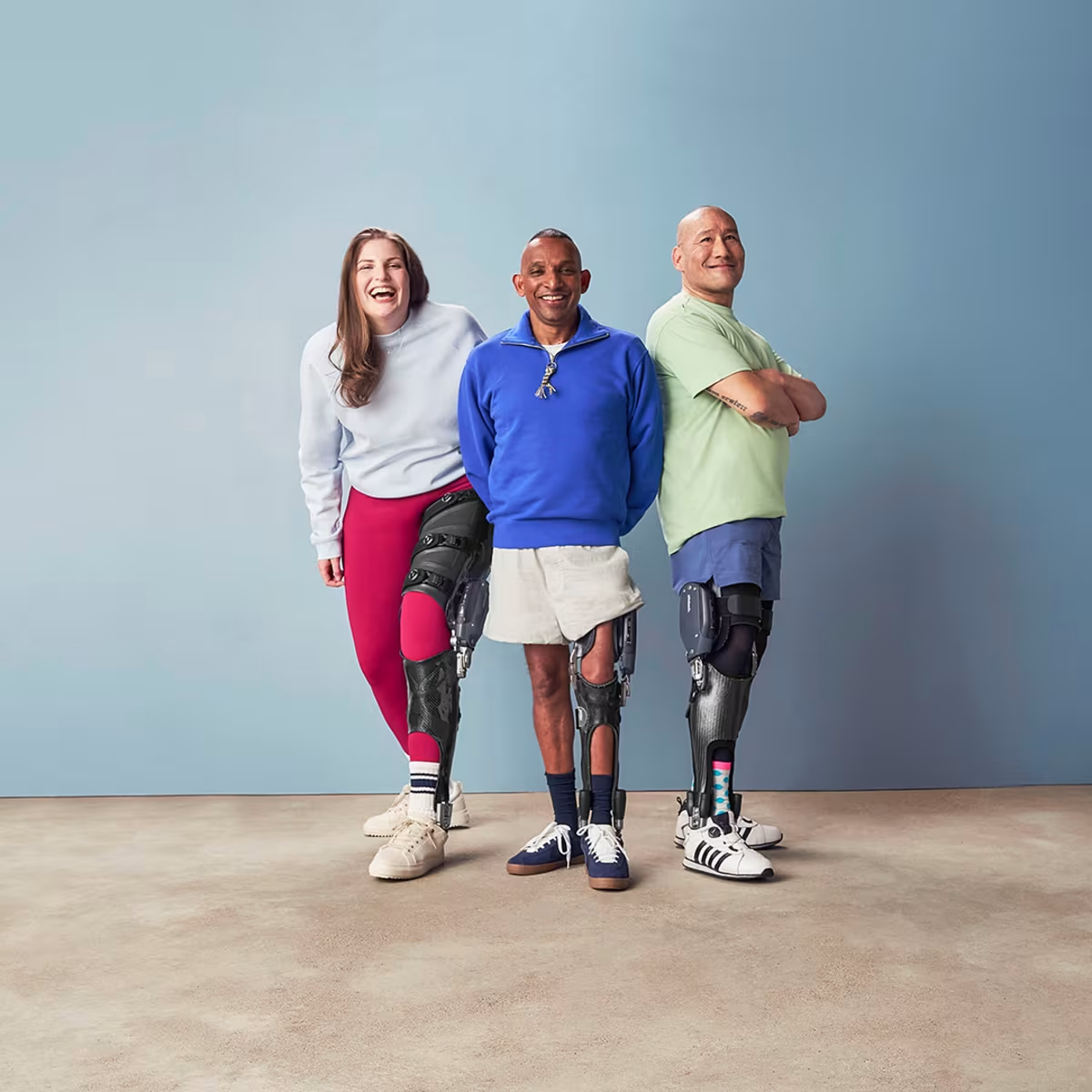
Clinical evidence for C-Brace SSCO.
C-Brace the Stance and Swing phase Control Orthosis (SSCO)
Reduce fall risk, enhance mobility, and improve patient quality of life – backed by evidence that stands out in clinical practice.
C-Brace the Stance and Swing phase Control Orthosis (SSCO)
Reduce fall risk, enhance mobility, and improve patient quality of life – backed by evidence that stands out in clinical practice.
Clinical evidence highlights
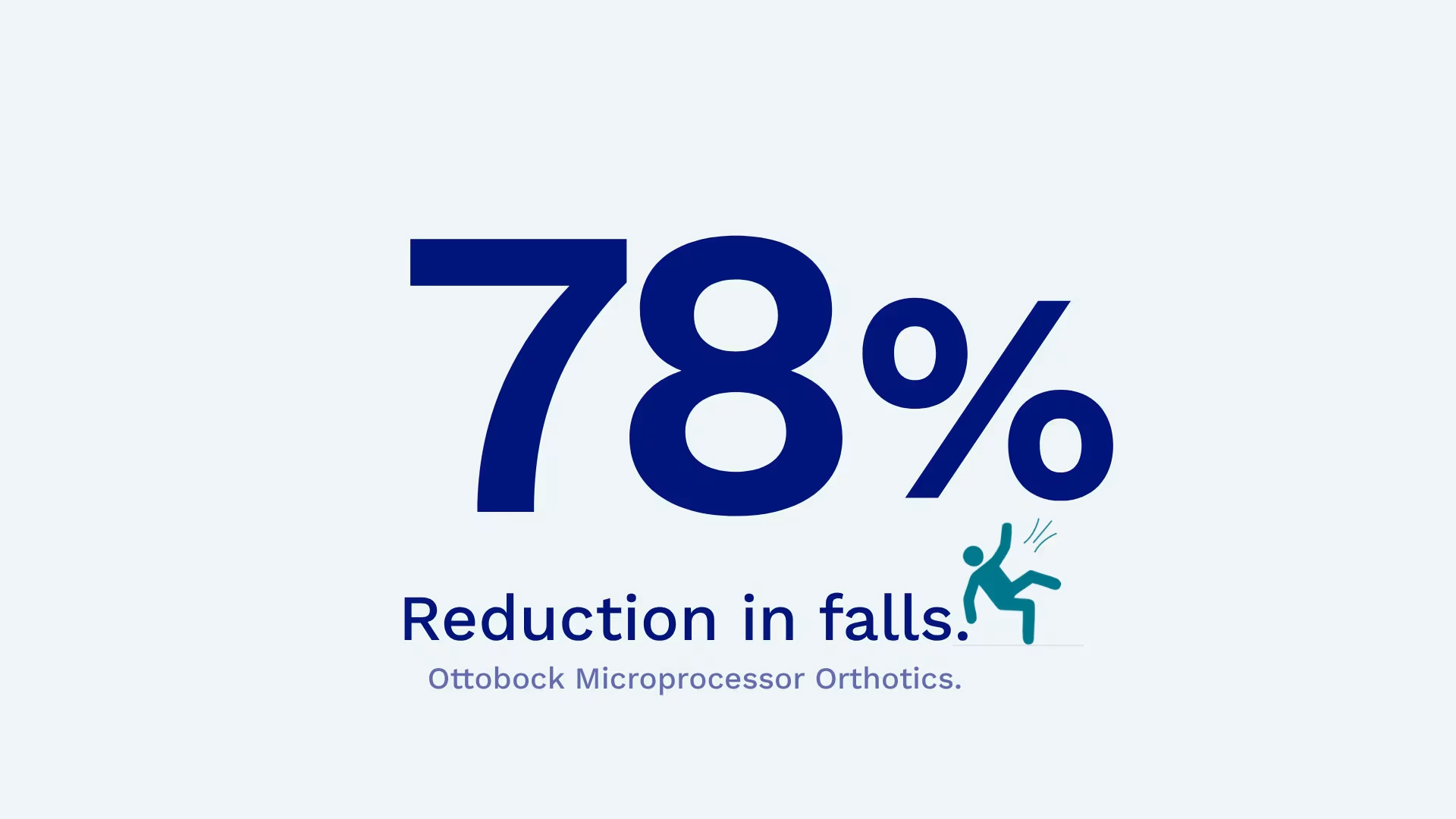
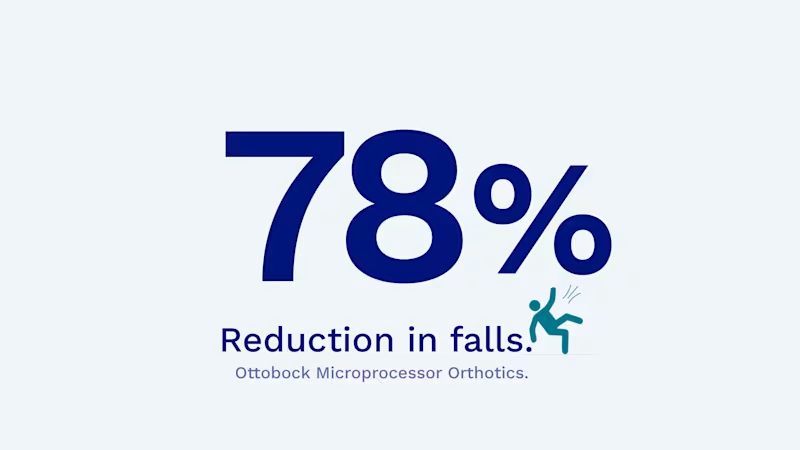
C-Brace use substantially increases user safety by significantly reducing fall events compared with KAFO.
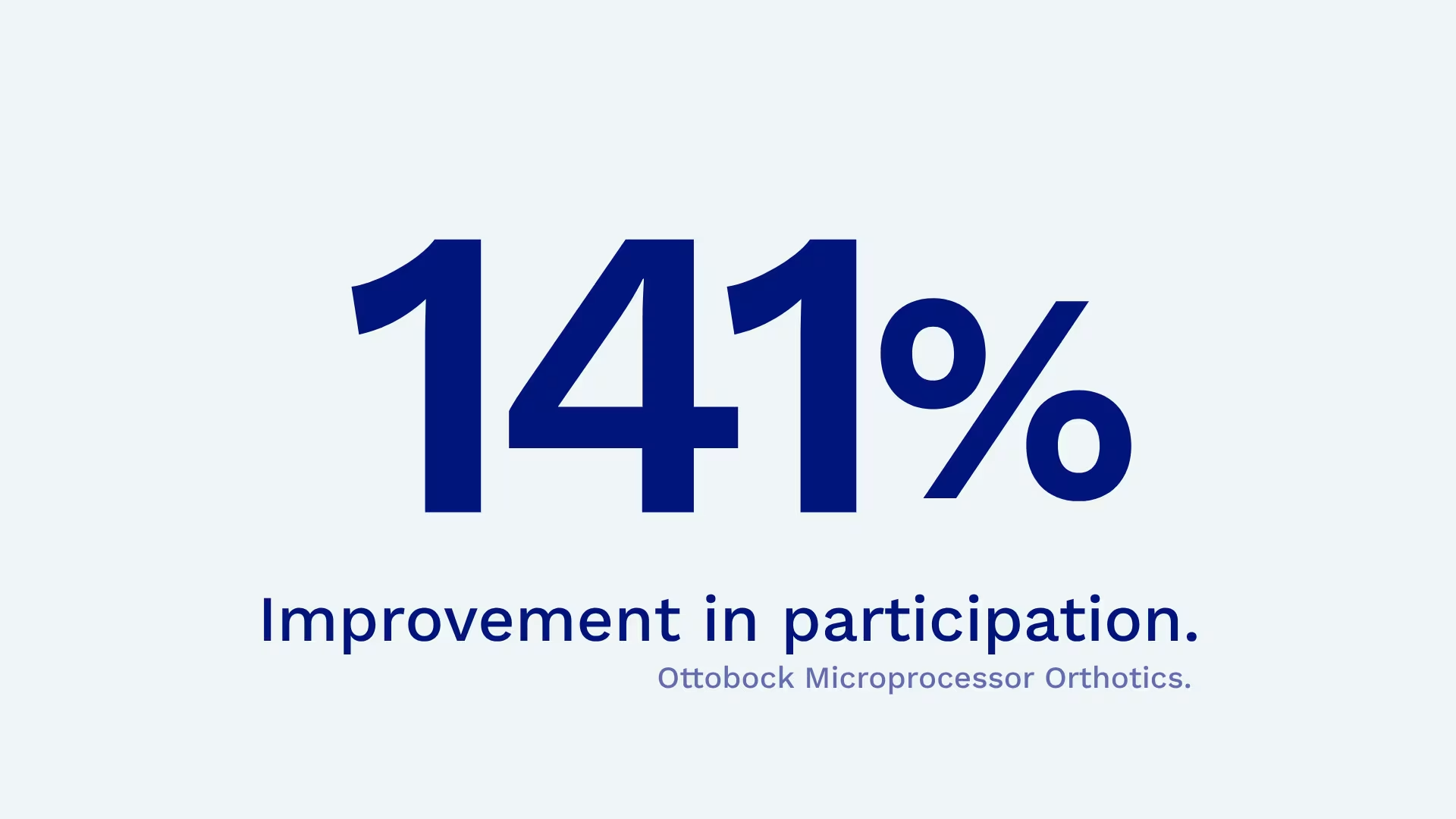
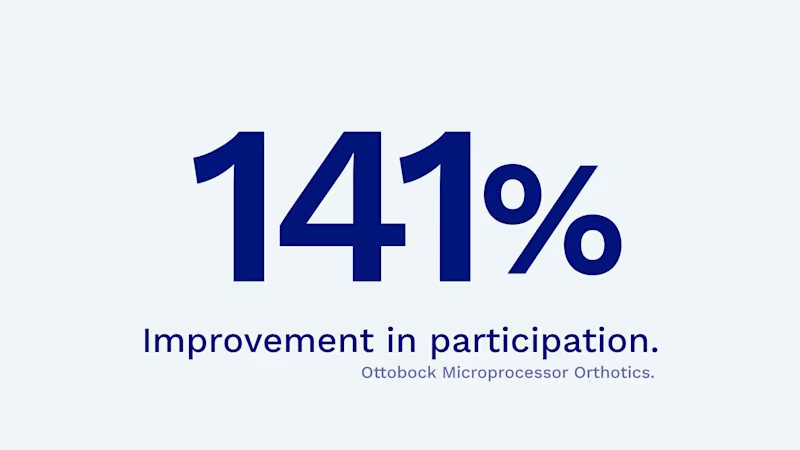
Use of the C Brace significantly increases participation in individually relevant daily activities.
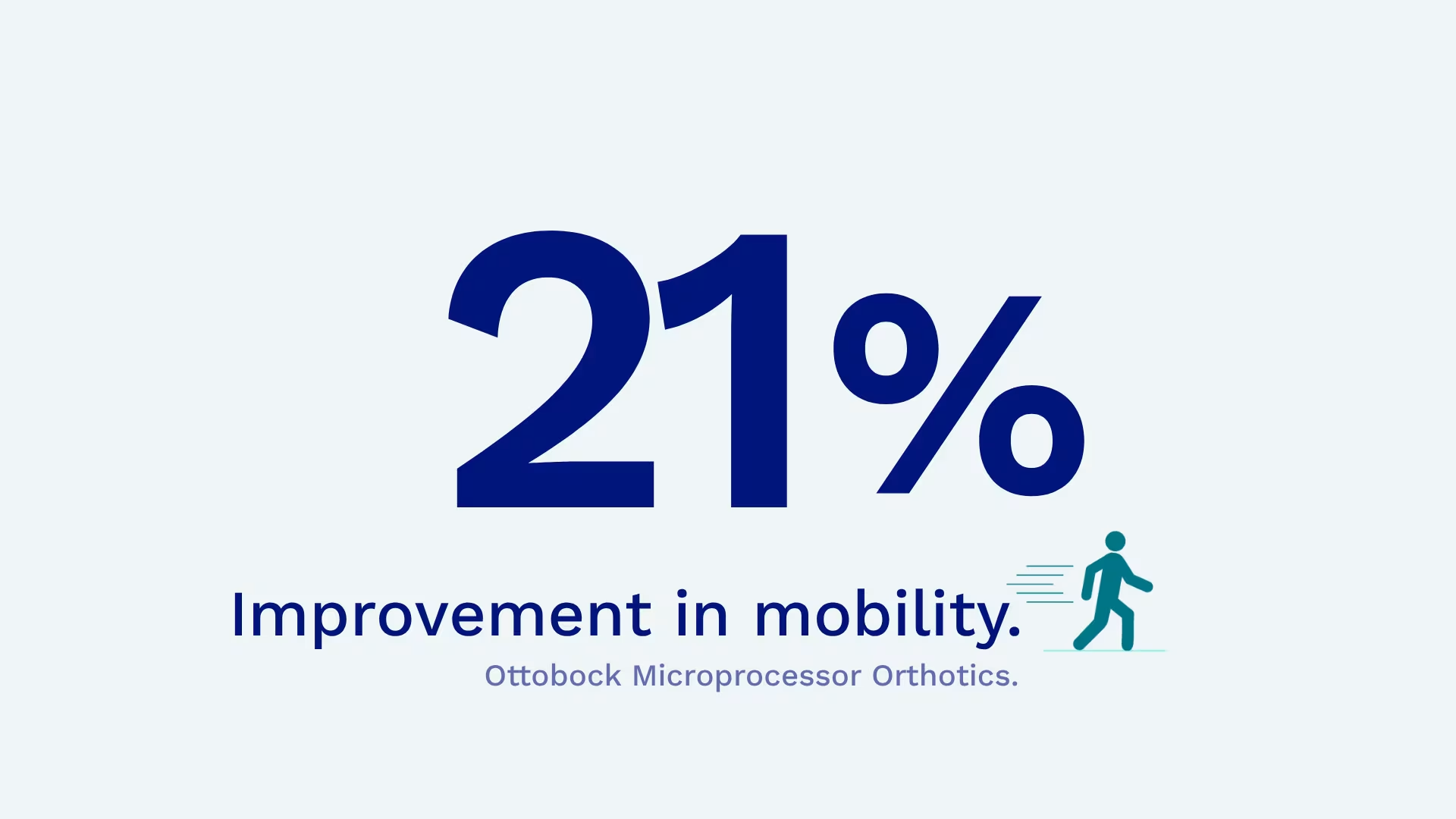
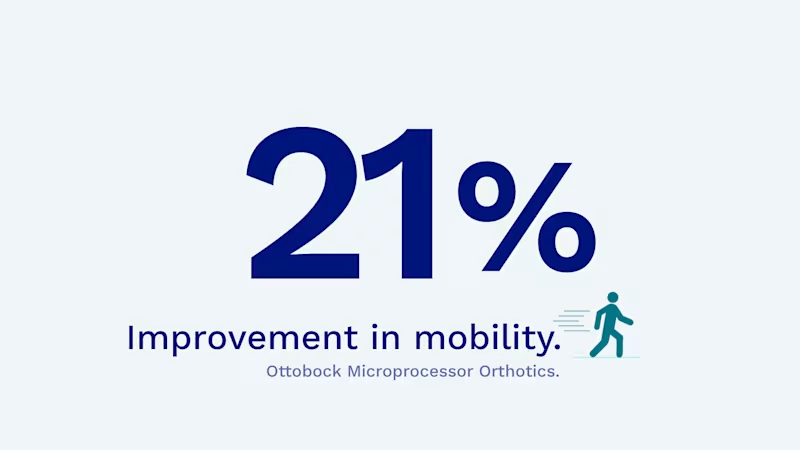
Use of the C Brace leads to a significant improvement in overall mobility compared with SCO.
The clinical evidence for the C-Brace is based on robust methodologies, including randomized controlled crossover trials, real-world registry data, and biomechanical analyses. These studies utilize validated outcome measures such as the Berg Balance Scale, Dynamic Gait Index, and patient-reported quality of life instruments to assess safety, mobility, and function. Together, this multi-level evidence framework ensures that outcomes reflect both controlled clinical performance and real-life patient benefits.
C-Brace: Clinically proven advantages.
C-Brace is the world’s first microprocessor- controlled stance and swing phase control orthosis (SSCO®). Because the C-Brace controls flexion and extension resistances during the entire gait cycle and provides knee flexion under load, it provides more support for activities of daily living (ADLs) compared to conventional knee ankle foot orthoses (KAFOs). Furthermore, the Active Stumble Recovery in the C-Brace provides patients with a greater feeling of safety during these ADLs.
C-Brace use led to significant patient-reported improvements in a range of health-related domains.
Safety.
Improved balance and reduced fall risk. Clinical evidence demonstrates that the C-Brace significantly improves postural stability and reduces fall risk in individuals with knee instability. Through continuous microprocessor-controlled stance and swing phase regulation, users benefit from enhanced balance in both static and dynamic conditions. Studies report meaningful increases in standardized balance scores alongside a substantial reduction in fall frequency compared to conventional orthoses. The system’s stumble recovery function further supports patient safety by enabling rapid, adaptive responses to perturbations. Collectively, these outcomes contribute to a more secure gait pattern and increased confidence in everyday environments.
Clinical Takeaway: C‑Brace use substantially increases user safety by significantly reducing fall events compared with KAFO. (Ruetz, A., DiBello, T., Toelle, C., Hemmen, B., Wening, J., Weber, E., ... & Wurdeman, S. R).
Confidence.
Improvement in participation. The C-Brace enables a more physiological gait pattern by allowing controlled knee flexion under load and dynamic adaptation throughout the entire gait cycle. This results in improved walking efficiency, reduced compensatory movements, and enhanced performance across varied terrains and functional tasks. Clinical and biomechanical studies confirm significant improvements in walking speed, stair negotiation, and overall mobility outcomes. Users demonstrate greater ability to perform reciprocal movements, such as descending stairs step-over-step, which are typically not possible with conventional KAFOs. These findings indicate a shift toward more natural, efficient, and functional ambulation.
Clinical Takeaway: Impact of a microprocessor-controlled knee-ankle-foot orthosis in community ambulators with quadriceps insufficiency fitted with an SCO: a randomized crossover trial. (Genêt, F., Ruetz, A., Belmahfoud, R., Loiret, I., Navarre, C., Noizette, I., ... & Braatz, F. (2026). Annals of Physical and Rehabilitation Medicine, 69(1), 102057).
Greater mobility.
Enhanced quality of life. Use of the C-Brace is associated with clinically meaningful improvements in health-related quality of life across multiple domains. Patients report increased independence in activities of daily living, reduced pain, and improved participation in social and physical activities. Standardized outcome measures show significant gains in physical function, emotional well-being, and overall health perception. By reducing fear of falling and enabling more confident mobility, the device supports both physical and psychological empowerment. These combined effects contribute to a higher level of autonomy and overall life satisfaction for users.
Clinical Takeaway: A microprocessor stance and swing control orthosis improves balance, risk of falling, mobility, function, and quality of life of individuals dependent on a knee-ankle-foot orthosis for ambulation. Disability and Rehabilitation. (Ruetz, A., DiBello, T., Toelle, C., Hemmen, B., Wening, J., Weber, E., ... & Wurdeman, S. R. (2024). 46(17), 4019-4032).
Nordic patient outcomes.
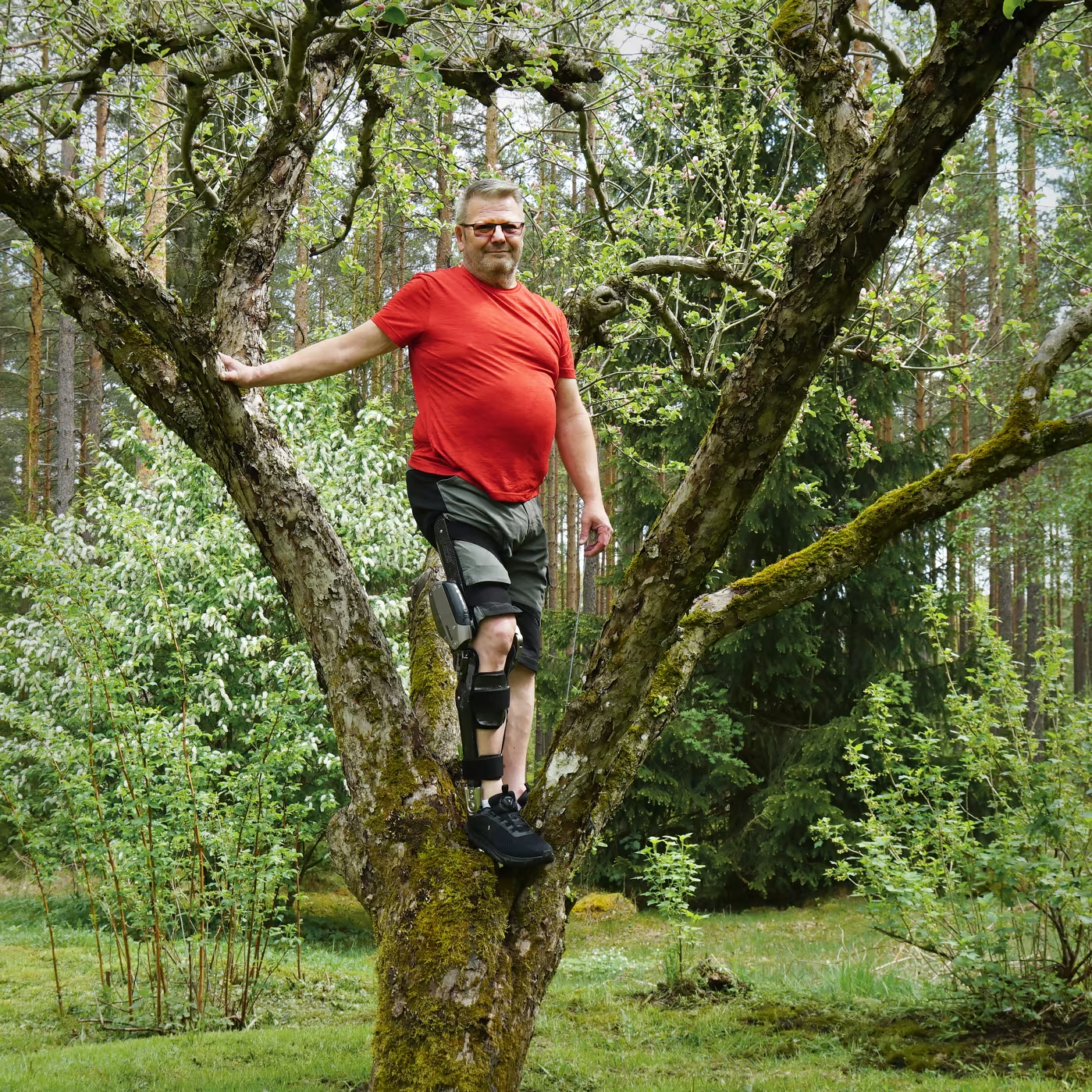
Today, Kenth walks five to six kilometers a day through the forest with his dogs, something that once felt impossible.

Diagnosed with CRPS at the age of 12, Maren spent over ten years unable to hike, until C-Brace gave her back the freedom to return to the mountains she loved.

A serious skiing accident left Joni Koskela with a spinal cord injury and a prognosis that gave him little hope of walking again.
Years of rehabilitation brought limited progress, until the C-Brace gave him back stability, confidence, and the freedom to return to the sports he loves.
Years of rehabilitation brought limited progress, until the C-Brace gave him back stability, confidence, and the freedom to return to the sports he loves.
Learn more about Microprocessor Orthotics
Whether you prefer a face-to-face or digital meeting, our Scandinavian product specialists are here for you! They are always ready to help you explore how Ottobock knees can support your patients and your practice.
C- Brace study summary.
This compelling evidence was generated.by the largest-ever.international, randomized, controlled, multi-center, crossover.evaluation of C-Brace, versus.KAFO.
Outcomes from this groundbreaking study show that C-Brace significantly improves patients’ safety compared with conventional mobility aids, while also enhancing their mobility, lower limb function, and quality of life. At Ottobock, we ensure every claim we make is proven out via rigorous clinical studies.
Clinical Research summaries.
Several Ottobock products have already undergone clinical testing, involving the highest quality standards at some of the world’s leading hospitals and universities. Our summaries offer an overview of results from clinical studies for individual products. Our summaries are available for download here.
Clinical studies in lower limb prosthetics
Our summaries are available for download here.
Our summaries are available for download here.
Clinical studies in upper limb prosthetics
Our summaries are available for download here.
Our summaries are available for download here.
Clinical studies in orthotics
Our summaries are available for download here.
Our summaries are available for download here.
Reed more about C-Brace
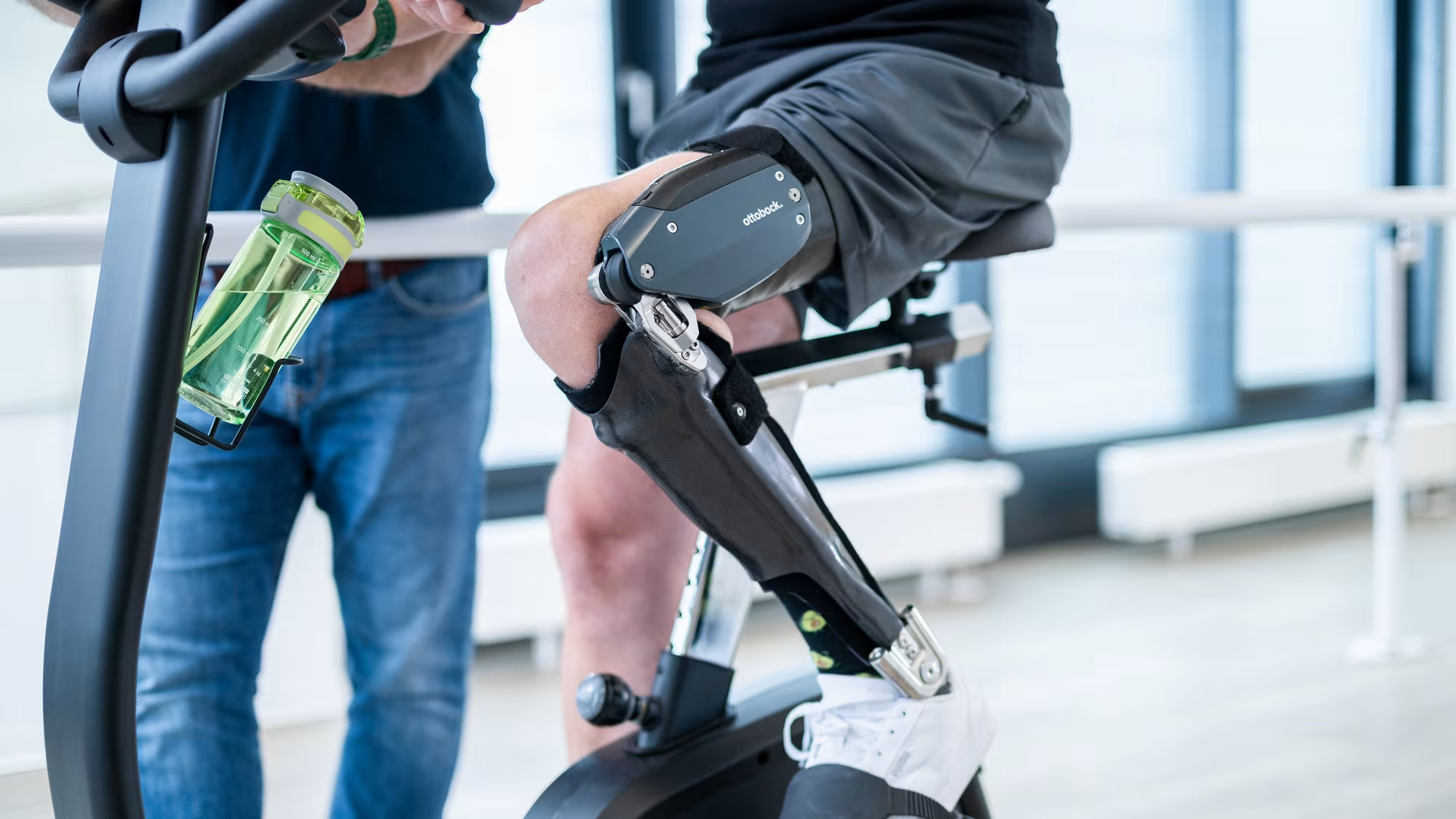
Proven technology for better mobility
Intelligent orthotic technology designed for real-world mobility. Advanced microprocessor control supporting everyday movement and stability. Built to improve mobility, confidence, and independence.
Intelligent orthotic technology designed for real-world mobility. Advanced microprocessor control supporting everyday movement and stability. Built to improve mobility, confidence, and independence.
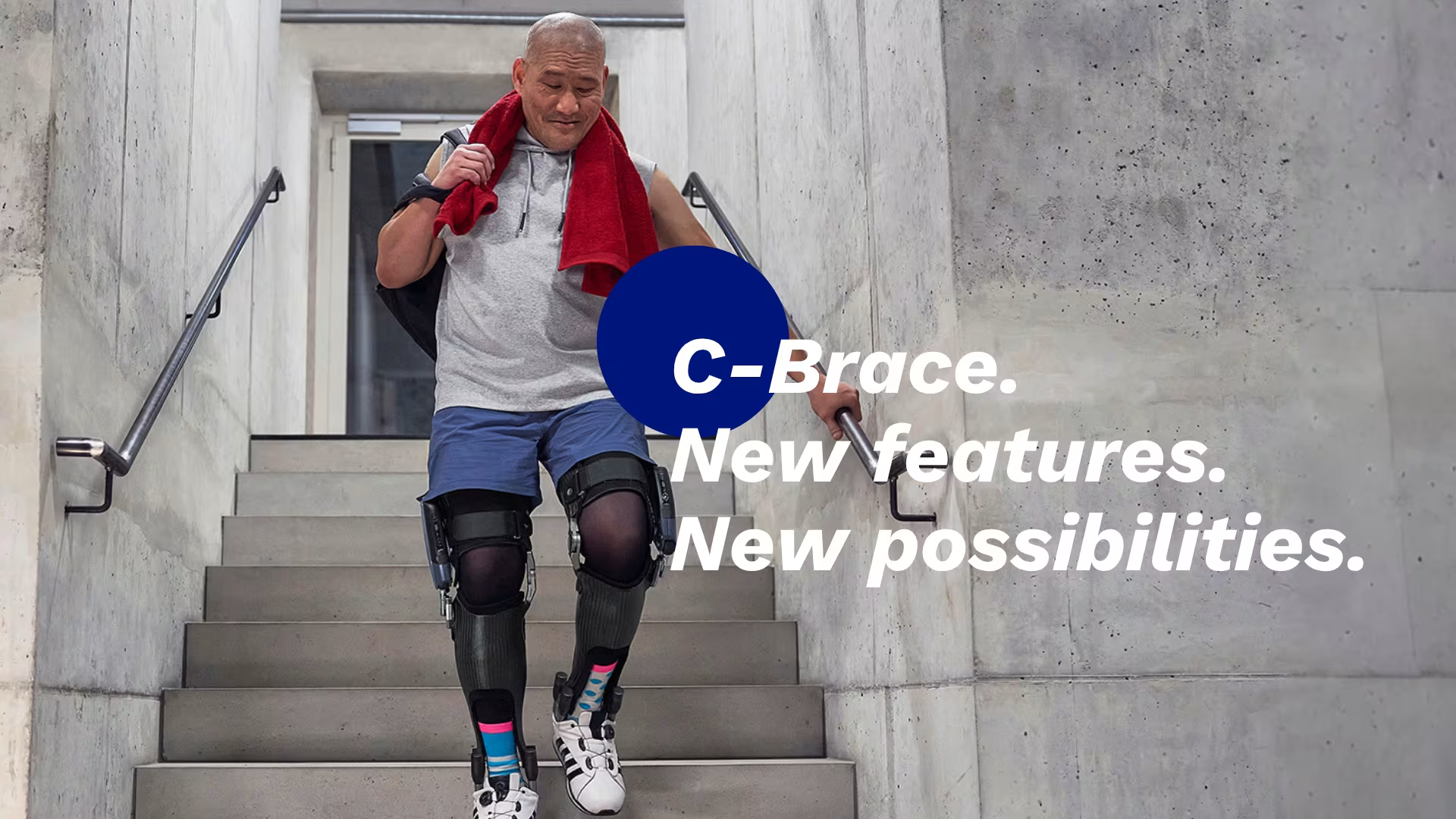
Better outcomes for patients, smarter processes for providers.
2 results out of 2
References
C-Brace Studies
1. Ruetz,.A,.DiBello,.T,.et.al..A microprocessor stance and swing control orthosis improves balance,risk of falling, mobility, function, and.quality of life of individuals dependent on a knee-ankle-foot orthosis for ambulation.Disability and.Rehabilitation..2023;46(17):4019–4032.
2. Lundstrom,.R..L.,.Klenow,.T..D.,.Morris,.A.,.Pobatschnig,.B.,.Hibler,.K..D.,.&.Kannenberg,.A..H..(2024)..The. C-Brace.microprocessor.controlled.stance.and.swing.orthosis.improves.safety,.mobility,.and.quality.of. life.at.one.year:.Interim.results.from.a.prospective.registry..Journal.of.Rehabilitation.and.Assistive.Technologies.Engineering,.11,.20556683241269539.
3. Brüggenjürgen,.B.,.Eilers,.L.,.Seidinger,.S.,.Kannenberg,.A.,.&.Stukenborg-Colsman,.C..(2024)..Patients’.Burden.Using.Microprocessor-stance-and-swing-control.Knee-ankle-foot.Orthoses.and.Outcomes.Compared. to.Those.With.Prior.Traditional.Knee-ankle-foot-orthosis..Canadian.Prosthetics.&.Orthotics.Journal,.7(1),. 42799.
4. Schmalz,.T.,.Bellmann.M.,.Kannenberg,.A..(2015,.October)..Metabolic.Energy.Consumption.and.Safety.of. Leg.Orthoses:.Comparison.between.C-Brace.and.conventional.KAFOs..Poster.session.presented.at.the. American.Orthotics.&.Prosthetics.Association.National.Assembly,.San.Antonio,.TX.
5. Schmalz,.T.,.Pröbsting,.E.,.Auberger,.R.,.&.Siewert,.G..(2016)..A.functional.comparison.of.conventional. knee–ankle–foot.orthoses.and.a.microprocessor-controlled.leg.orthosis.system.based.on.biomechanical. parameters..Prosthetics.and.orthotics.international,.40(2),.77-286.
6. Pröbsting,.E.,.Kannenberg,.A.,.&.Zacharias,.B..(2017)..Safety.and.walking.ability.of.KAFO.users.with.the. C-Brace.Orthotronic.Mobility.System,.a.new.microprocessor.stance.and.swing.control.orthosis..Prosthetics.and.orthotics.international,.41(1),.65-77.
7. Deems-Dluhy,.S.,.Hoppe-Ludwig,.S.,.Mummidisetty,.C..K.,.Semik,.P.,.Heinemann,.A..W.,.&.Jayaraman,.A.. (2021)..Microprocessor.controlled.knee.ankle.foot.orthosis.(KAFO).vs.stance.control.vs.locked.KAFO:.a. randomized.controlled.trial..Archives.of.physical.medicine.and.rehabilitation,.102(2),.233-244.
SCO Studies
8. Zacharias,.B.,.&.Kannenberg,.A..(2012)..Clinical.benefits.of.stance.control.orthosis.systems:.an.analysis.of. the.scientific.literature..JPO:.Journal.of.Prosthetics.and.Orthotics,.24(1),.2-7.
9. Rafiaei,.M.,.Bahramizadeh,.M.,.Arazpour,.M.,.Samadian,.M.,.Hutchins,.S..W.,.Farahmand,.F.,.&.Mardani,.M.. A..(2016)..The.gait.and.energy.efficiency.of.stance.control.knee–ankle–foot.orthoses:.A.literature.review.. Prosthetics.and.orthotics.international,.40(2),.202-214.
10. McDaid,C.,.Fayter,.D.,.Booth,.A.,.O’Connor,.J.,.Rodriguez-Lopez,.R.,McCaughan,.D.,.....&.Ramdharry,.G.. (2017)..Systematic.review.of.the.evidence.on.orthotic.devices.for.the.management.of.knee.instability.related.to.neuromuscular.and.central.nervous.system.disorders..BMJ.open,.7(9),.e015927.
11. Genêt, F., Ruetz, A., Belmahfoud, R., Loiret, I., Navarre, C., Noizette, I., ... & Braatz, F. (2026). Impact of a microprocessor-controlled knee-ankle-foot orthosis in community ambulators with quadriceps insufficiency fitted with an SCO: a randomized crossover trial. Annals of Physical and Rehabilitation Medicine, 69(1), 102057.