
Orthotics and NeuroMobility.

Orthotics and Neuro Rehabilitation
Ottobock's portfolio of orthotic and NeuroMobility solutions are designed to provide optimal support and comfort for your needs. From custom orthotics to off-the-shelf solutions, to functional electrical stimulation (FES) devices, to neurostimulation suits, we have a range of devices that enhance mobility and relieve discomfort. From here you can discover our range of solutions, learn more about common conditions, and find a clinical partner close to you.
Our Solutions.
For more than 100 years, Ottobock has been collaborating with specialists to develop functional orthotic and NeuroMobility devices. Our goal is to help people move more freely and with less pain, correct malpositions, and provide effective support for the healing process. Orthoses and supports have proven to be particularly effective for these purposes. They allow injured ligaments, joints, and bones to heal. In addition, they can preserve functionality even in permanently impaired limbs and reduce pain.
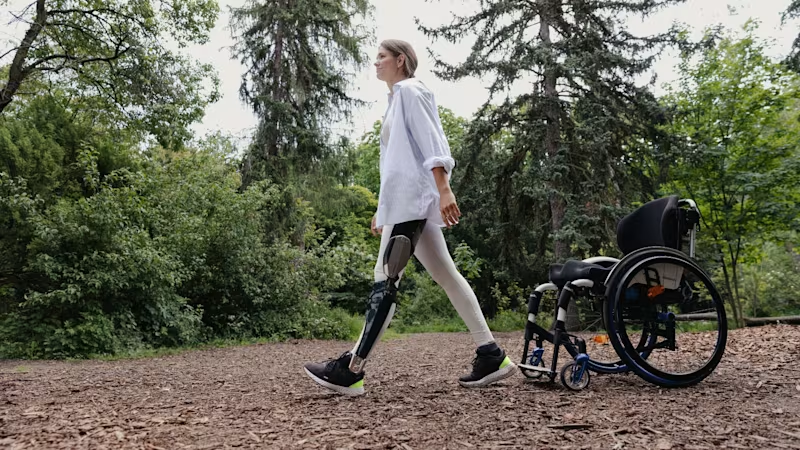
C-Brace
The C-Brace is a microprocessor-controlled leg orthosis that responds to everyday movements and situations in real time. This helps ensure safety, stability, and confidence in users’ everyday lives.
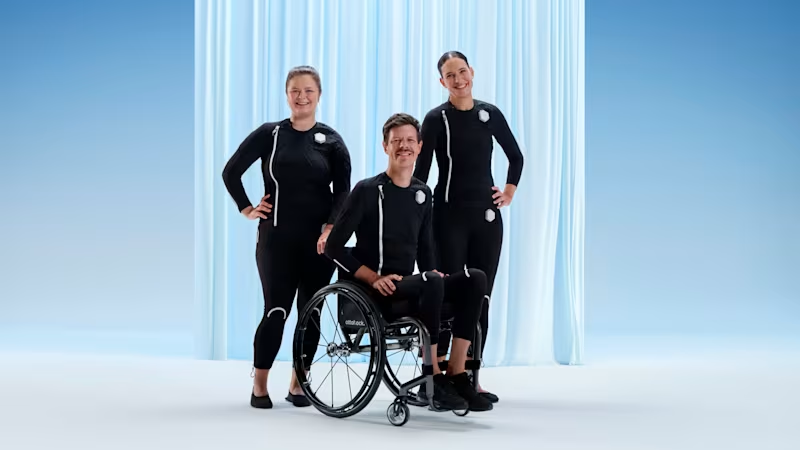


Conditions and Rehabilitation.
There are many different illnesses and diagnoses that require the need for orthoses and NeuroMobility devices – whether right from the start of treatment or afterward to support therapy. Learn more about some of the most common conditions and how we can support you.
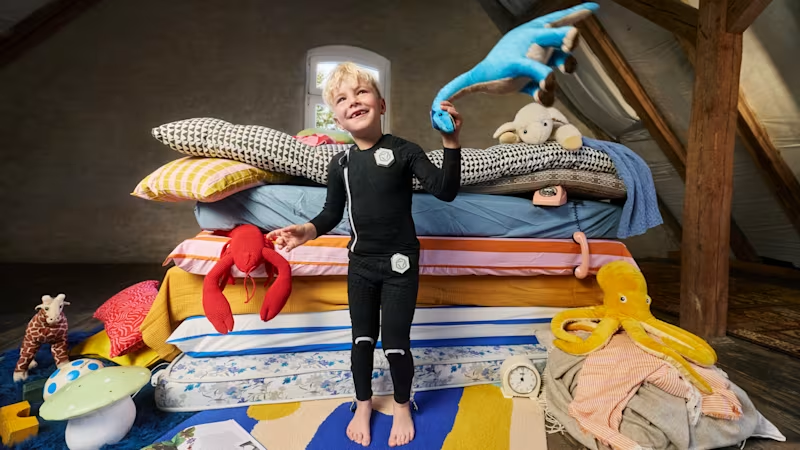
Cerebral Palsy
Cerebral Palsy (CP) is a group of movement disorders that appear in early childhood, caused by a brain injury that develops before, during, or soon after birth.


Contact us.
Have a question or need support? The team at Ottobock Australia is here to help. Whether you’re looking for product information, clinical support, or general enquiries, simply use the contact form to reach us. We’ll connect you with the right experts and respond as quickly as possible to support your needs.