
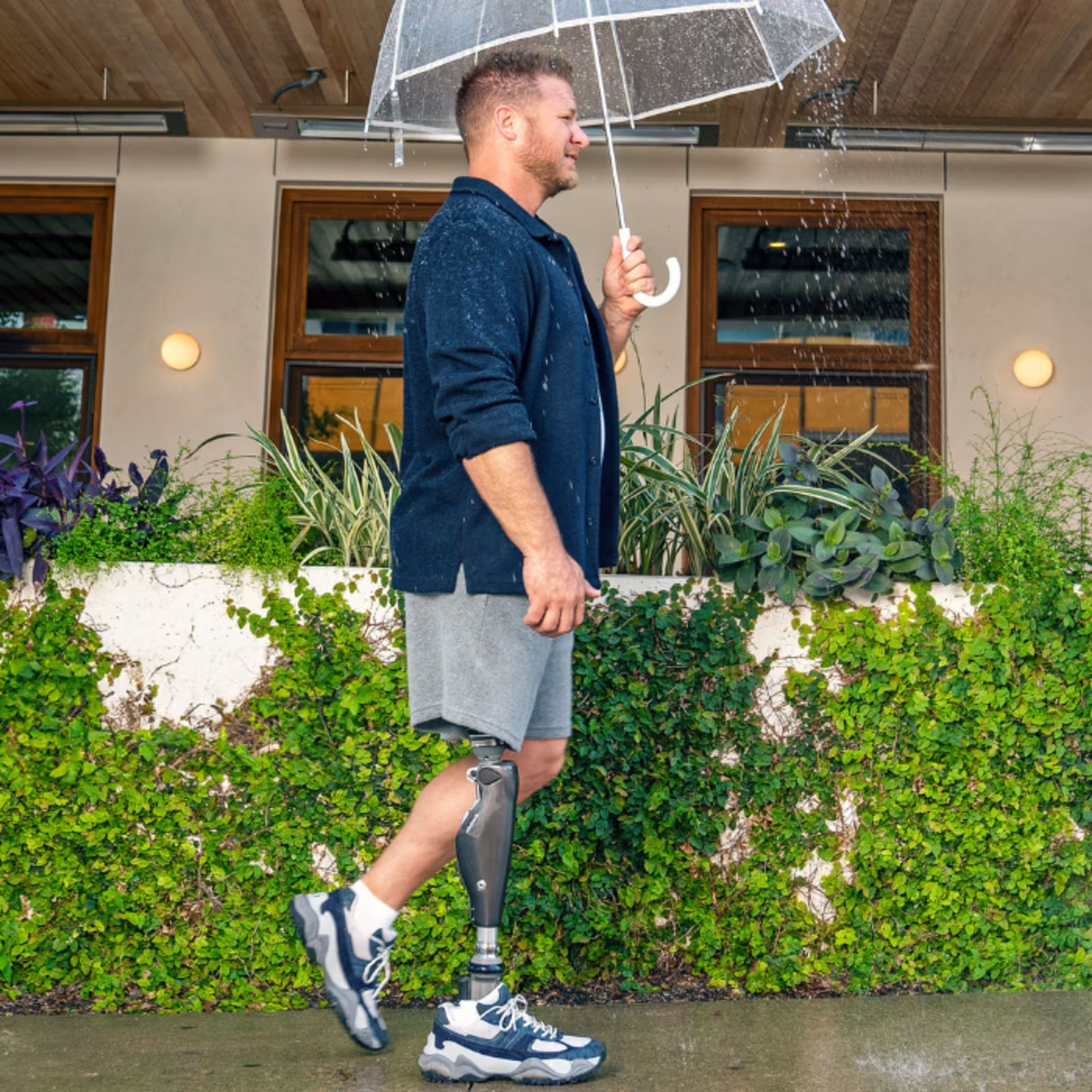
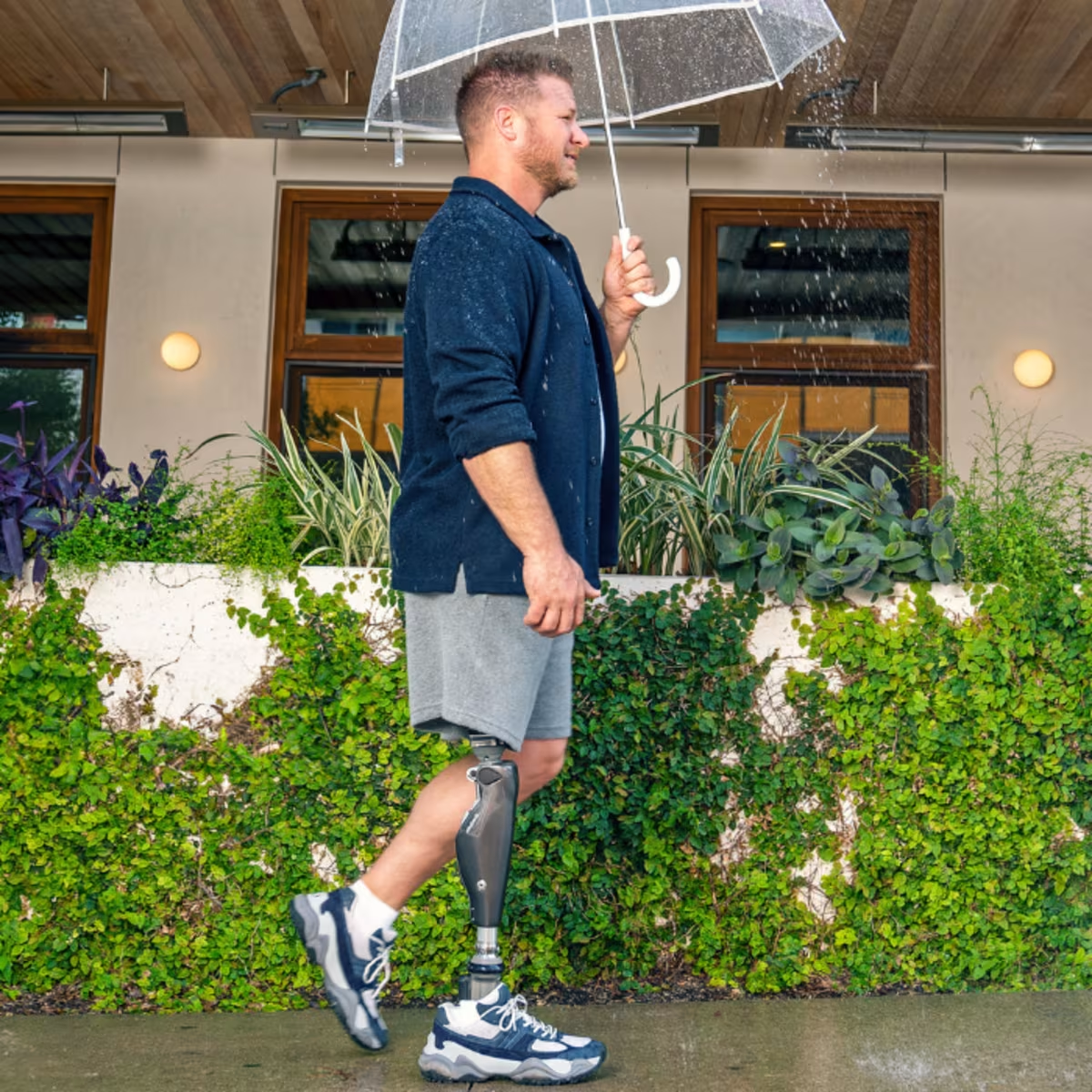
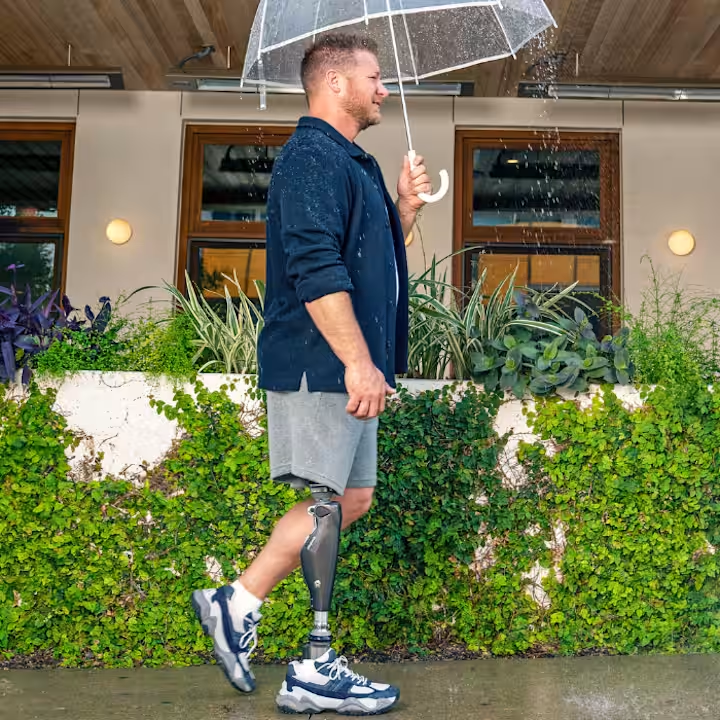
Discover the new C-Leg 4 Microprocessor Knee.
C-Leg: Trusted for good reason.
Since 1997, one particular microprocessor knee has set the standard for every other available option. Now, with the new C-Leg 4, our signature knee is raising the bar even higher.
It’s the one patented technology that empowers you with the proven performance you need to live the healthy, active life you want. C-Leg adapts to your unique gait pattern and walking speeds, so you can keep your focus where it matters — not on your next step, but on where you want it to take you.
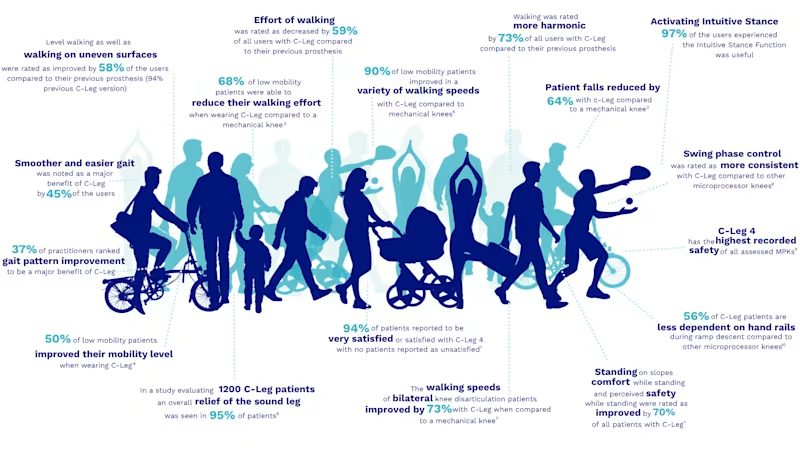
It’s the world’s most studied prosthetic device. Full stop.
Up to 90%
of C-Leg users prefer it to their previous mechanical prosthesis*
27 years
of continuous microprocessor knee development and user input have led to the new C-Leg 4.
100,000
fittings have helped more users regain their mobility than any other microprocessor knee.
C-Leg Clinical Research Summary.
Royal, estate agentWith C-Leg, I’ve started a new chapter in my life. I used to be shy about my prosthetic leg, but now I feel strong and confident.
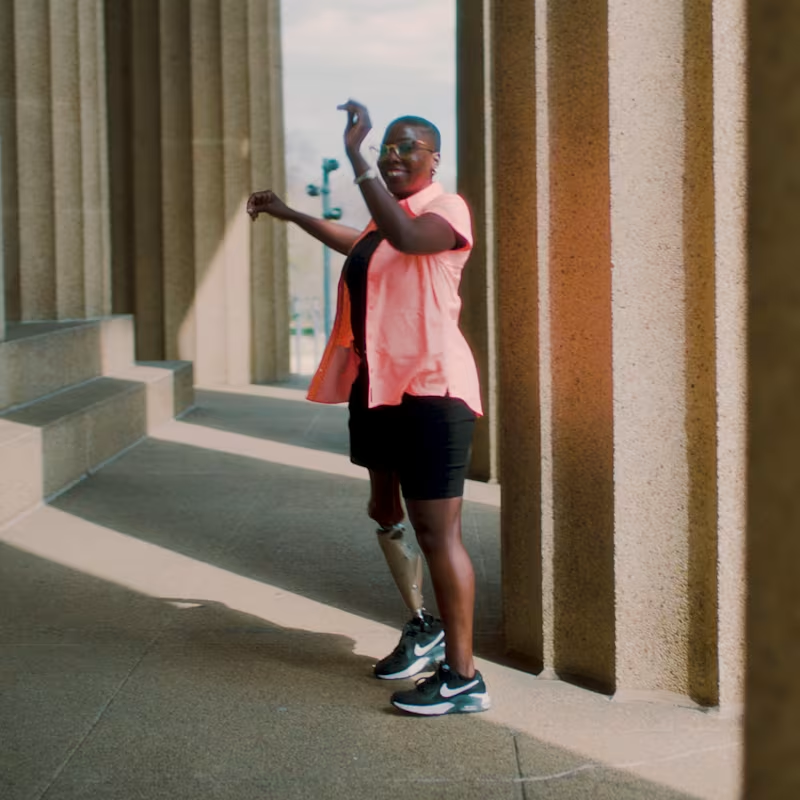
Discover how C-Leg 4 supports your active day-to-day life.
With its innovative design and exciting new features, C-Leg 4 provides a highly personalised user experience that helps you move more easily through your day and stay focused on what matters most to you.
Smart Support, Wherever You Go.

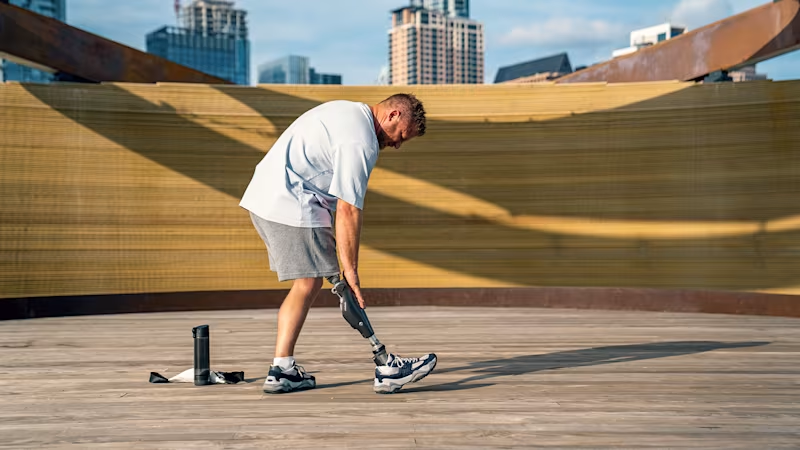
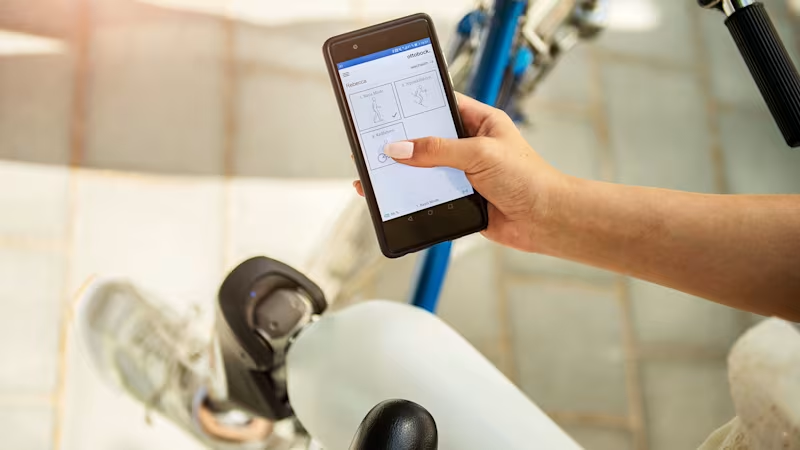
NEW! Intuitive Cycling
C-Leg users can now enjoy effortless bike rides thanks to the new Intuitive Cycling feature. After just a few pedal rotations, the C-Leg automatically detects when you start cycling, and once you reach your destination, it seamlessly switches back to walking mode as you step off the bike.

Confidence in Every Step.
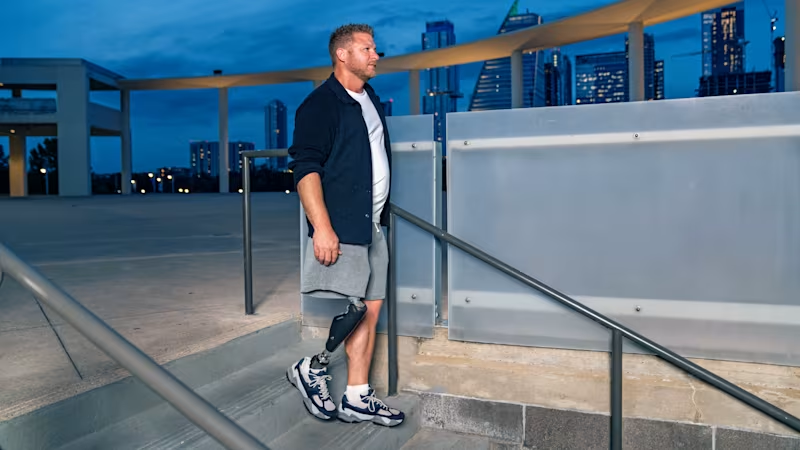
Supported Ramps & Stairs Function
When walking down slopes or stairs, C-Leg's stance flexion resistance allows you to descend safely. With the C-Leg 4, you can choose how the stance flexion behavior is delivered. When the supported function is enabled, the MPK's resistance dynamically increases as the knee joint angle increases, providing you with confidence and self-assurance on ramps or stairs.
*This feature is selectable within C-Soft Plus and works independently to the 'Supported Sitting' function.
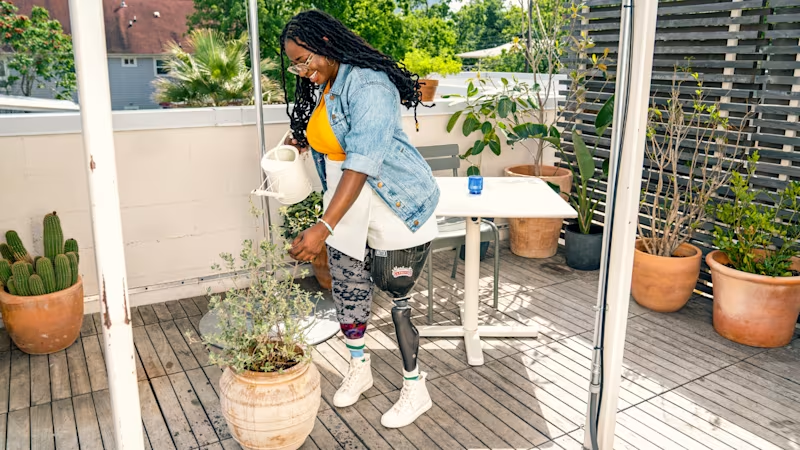


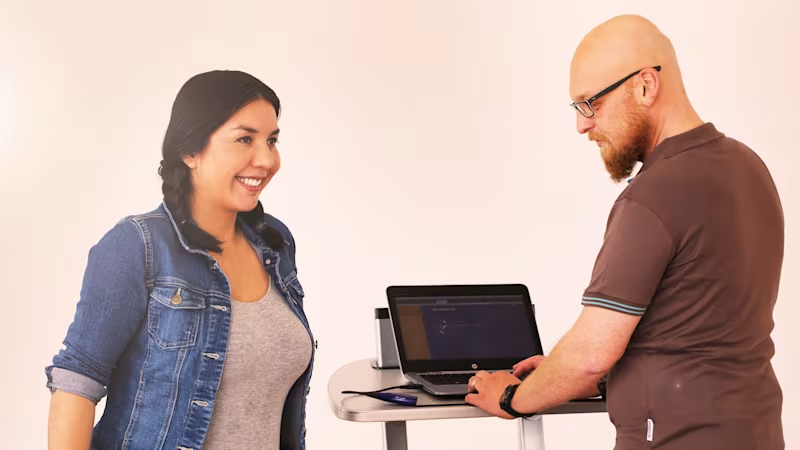
Designed For Your Everyday.
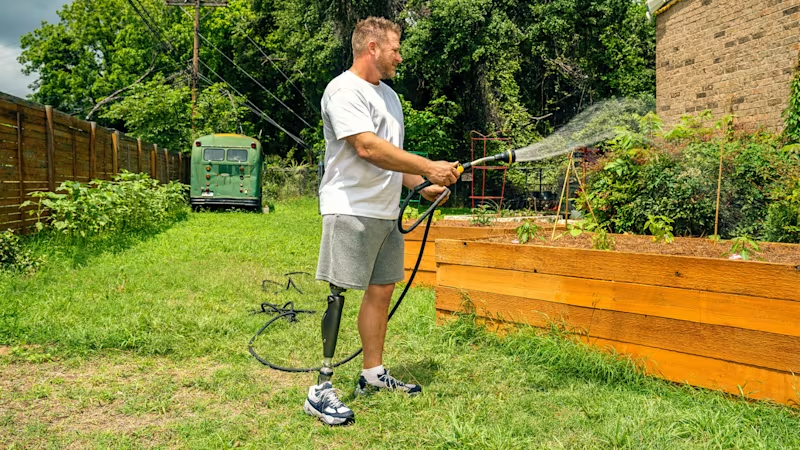
Weatherproof Design (IP68).
The new C-Leg 4 is now IP68, enabling you to have greater confidence in diverse environments. Whether you're walking the dog, caught in a rain shower, or accidentally splashed when watering the garden, you can be assured that the electronics in your C-Leg are protected from dust, sand, dirt and occasional submersion in freshwater (up to 3m for 1hr).

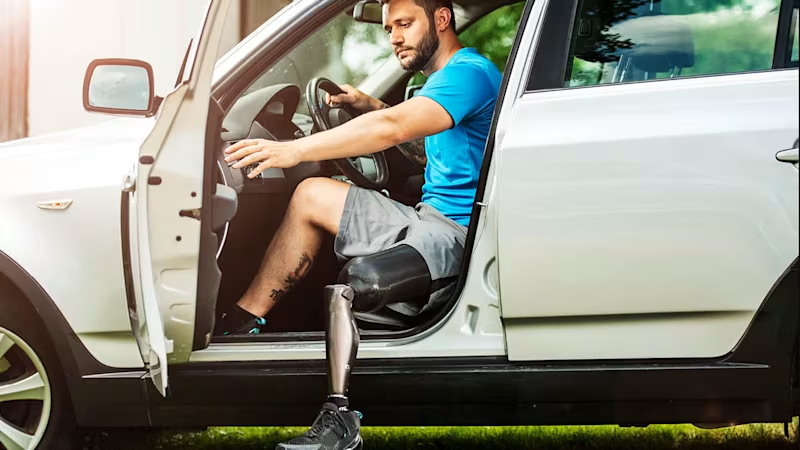
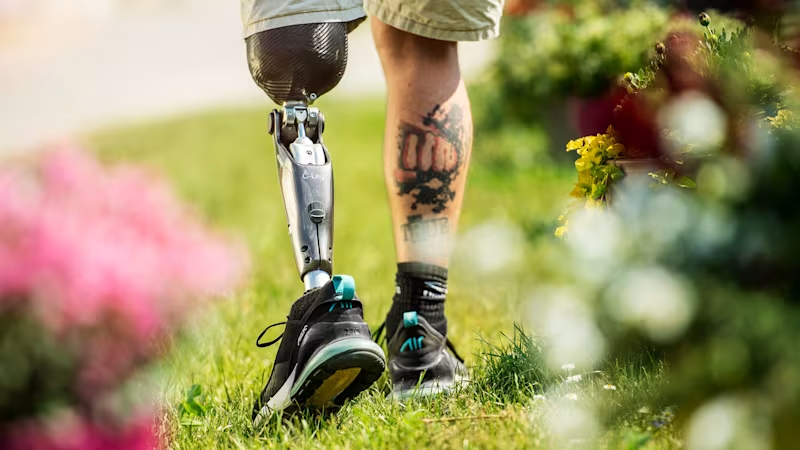

Patricia, office assistantWith C-Leg, I’m living again - traveling, working, taking care of my home and family. I feel good!

NHS Microprocessor Knee Funding for C-Leg 4.
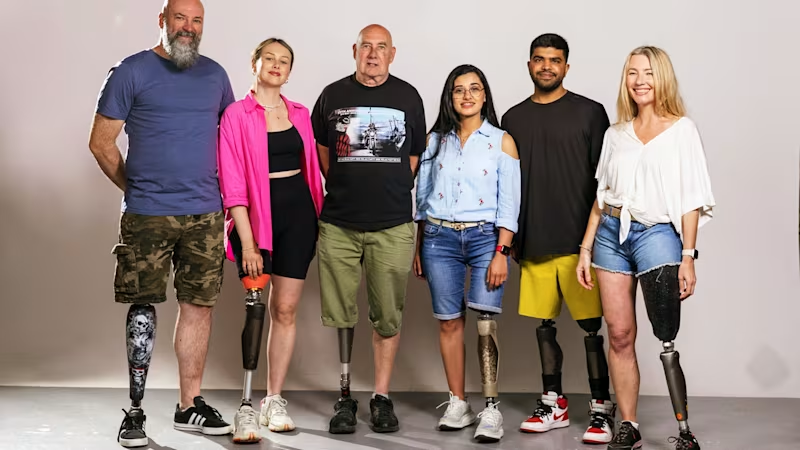
Ottobock has been proudly providing the C-Leg 4 to medium to highly active individuals through NHS England funding since 2016. The funding means that amputees have access to an MPK which provides the most natural walking pattern helping users improve their mobility and gain independence.
Take a closer look.
The C-Leg's legacy lives on, discover some of the new exciting and innovative features of the updated C-Leg 4 microprocessor knee in detail.
Frequently asked questions about the C-Leg 4.
Want to Know more? Contact us Using the Form Below.
*Kannenberg, A., Zacharias, B., & Pröbsting, E. (2014). Benefits of microprocessorcontrolled prosthetic knees to limited community ambulators: systematic review. Journal of Rehabilitation Research and Development. 51(10), 1469-96.
Orendurff, Michael S.; Segal, Ava D.; Klute, Glenn K.; McDowell, Martin L.; Pecoraro, Janice A.; Czerniecki, Joseph M. (2006): Gait efficiency using the C-Leg. In: Journal of rehabilitation research and development 43 (2), S. 239–246.
Hafner, Brian J.; Willingham, Laura L.; Buell, Noelle C.; Allyn, Katheryn J.; Smith, Douglas G. (2007): Evaluation of function, performance, and preference as transfemoral amputees transition from mechanical to microprocessor control of the prosthetic knee. In: Archives of physical medicine and rehabilitation 88 (2), S. 207–217. DOI: 10.1016/j.apmr.2006.10.030.
1. Wismer, N., Mileusnic, M., Sreckovic, I., & Hahn, A. (2016). First results on next generation C-Leg. Poster presentation at OTWorld, Leipzig, Germany.
2. Kahle, J. T., Highsmith, M. J., & Hubbard, S. L. (2008). Comparison of nonmicro-processor knee mechanism versus C-Leg on Prosthesis Evaluation Questionnaire, stumbles, falls, walking tests, stair descent, and knee preference. The Journal of Rehabilitation Research and Development, 45(1), 1–14.
3. Wetz, H. H., Hafkemeyer, U., & Drerup, B. (2005). Einfluss des C-Leg-Kniegelenk-Passteiles der Fa. Otto Bock auf die Versorgungsqualität Oberschenkelamputierter. Der Orthopäde, 34(4), 298–319. doi:10.1007/s00132-005-0783-z.
4. Hafner, B. J., & Smith, D. G. (2009). Differences in function and safety between Medicare Functional Classification Level-2 and -3 transfemoral amputees and influence of prosthetic knee joint control. The Journal of Rehabilitation Research and Development, 46(3), 417–433.
5. Drerup, B., Wetz, H. H., Bitterle, K., & Schmidt, R. (2008). Langzeitergebnisse mit dem C-Leg - Ergebnisse einer retrospektiven Studie: Long Term Results with the C-Leg - Results of a Retrospective Study. Orthopädie-Technik, 3, 169–174.
6. Hahn, A. & Lang, M. (2015). Effects of Mobility Grade, Age and Etiology on func-tional benefit and safety of subjects evaluated in over 1200 C-Leg trial fittings in Germany. JPO Journal of Prosthetics and Orthotics, 27(3), 86–94.
7. Perry, J. B. J. M., Newsam, C. J., & Conley, P. (2004). Energy expenditure and gait characteristics of a bilateral amputee walking with C-leg prostheses compared with stubby and conventional articulating prostheses. Archives of physical medicine and rehabilitation, 85(10), 1711–1717.
8. Thiele, J., Westebbe, B., Bellmann, M., & Kraft, M. (2014). Designs and performance of microprocessor-controlled knee joints. Biomedizinische Technik/Biomedical Engineering, 59(1). doi:10.1515/bmt-2013-0069
9. Blumentritt, S., & Bellmann, M. (2010). Potenzielle Sicherheit von aktuellen nichtmikroprozessorund mikroprozessorgesteuerten Prothesenkniegelenken. Orthopadie-Technik, 11(10), 788-799.
10. Bellmann, M., Schmalz, T., & Blumentritt, S. (2010). Comparative biomechanical analysis of current microprocessor-controlled prosthetic knee joints. Archives of physical medicine and rehabilitation, 91(4), 644–652. doi:10.1016/j.apmr.2009.12.014