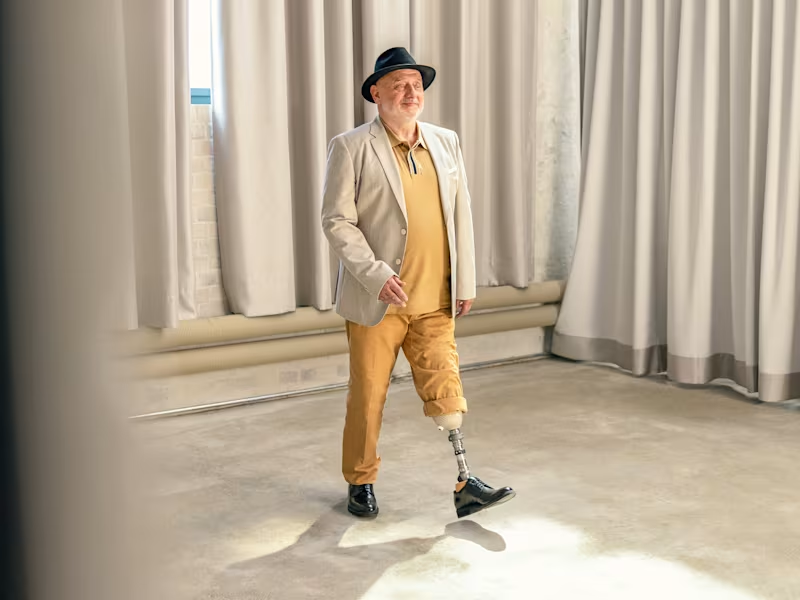
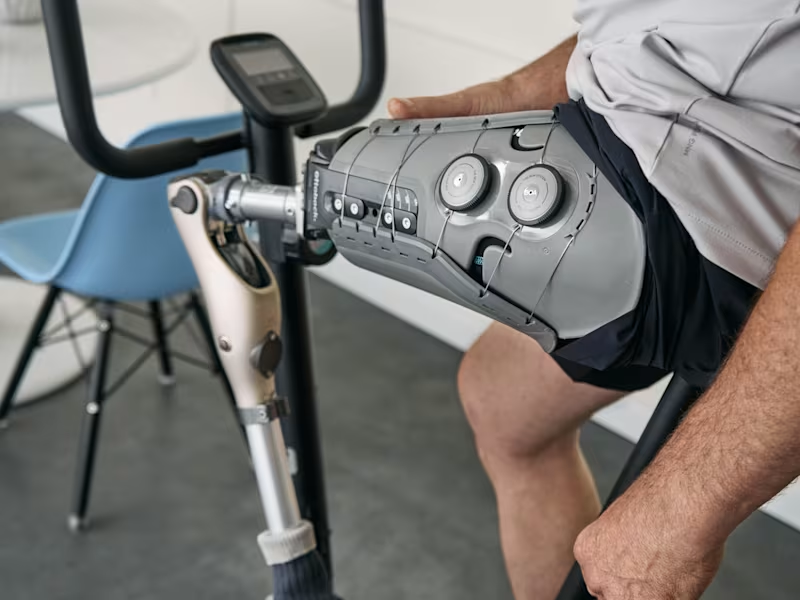
NHS Microprocessor Knee funding for C-Leg 4 and Kenevo.

NHS England Microprocessor Knee (MPK) Policy.
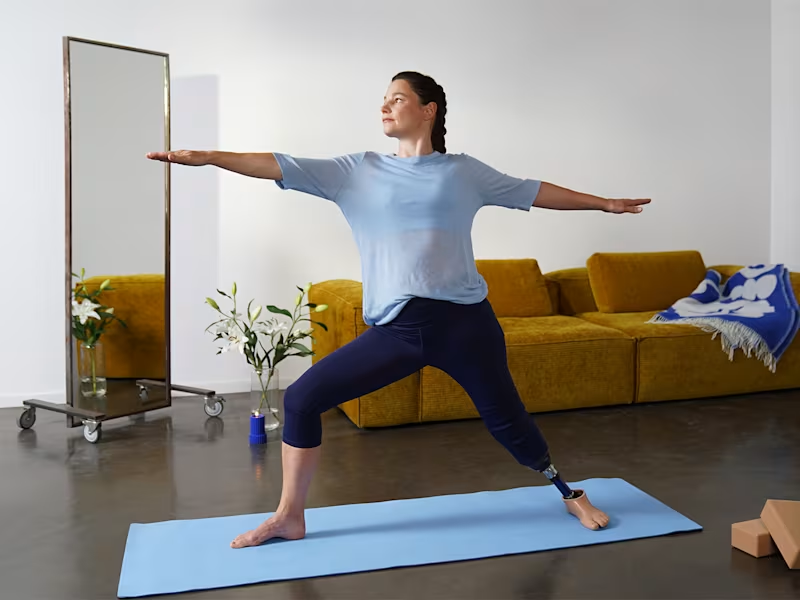
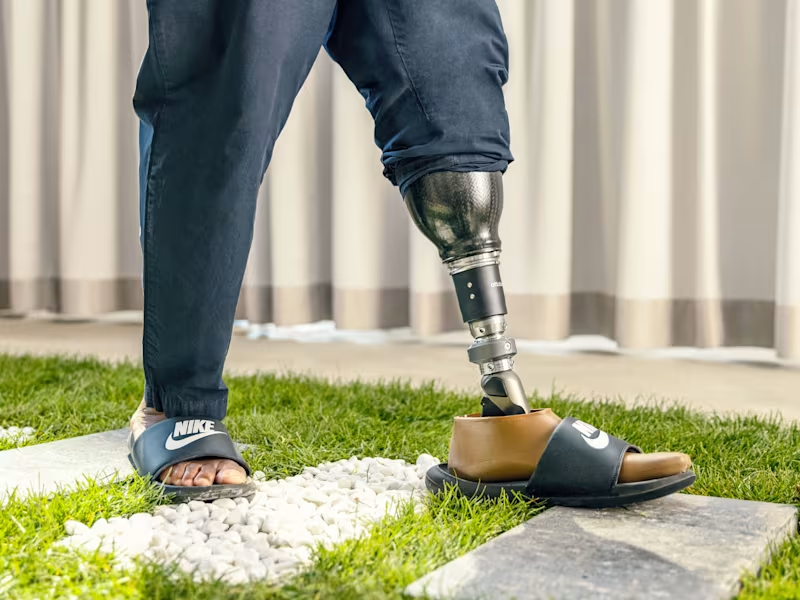
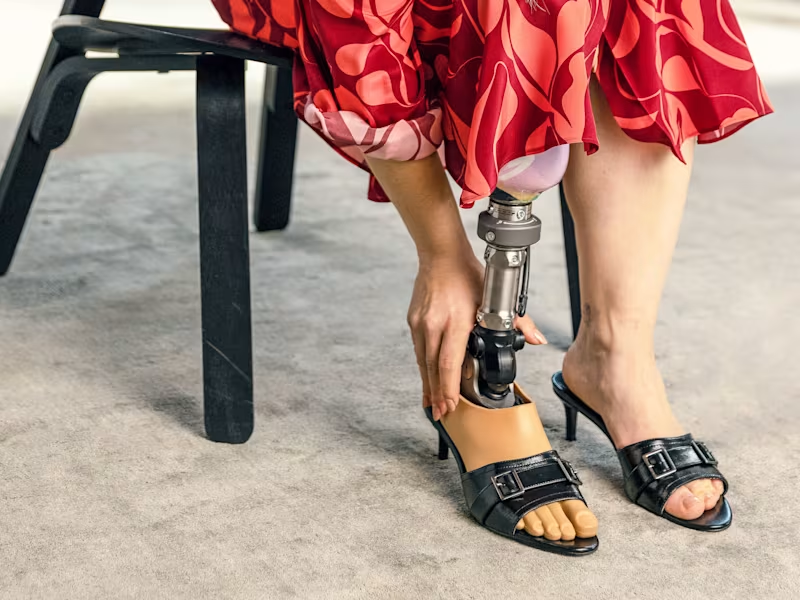
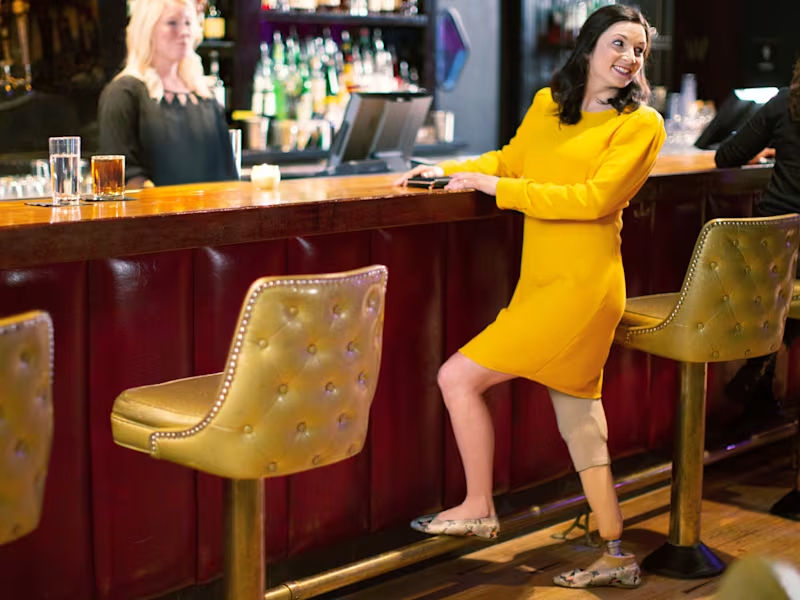
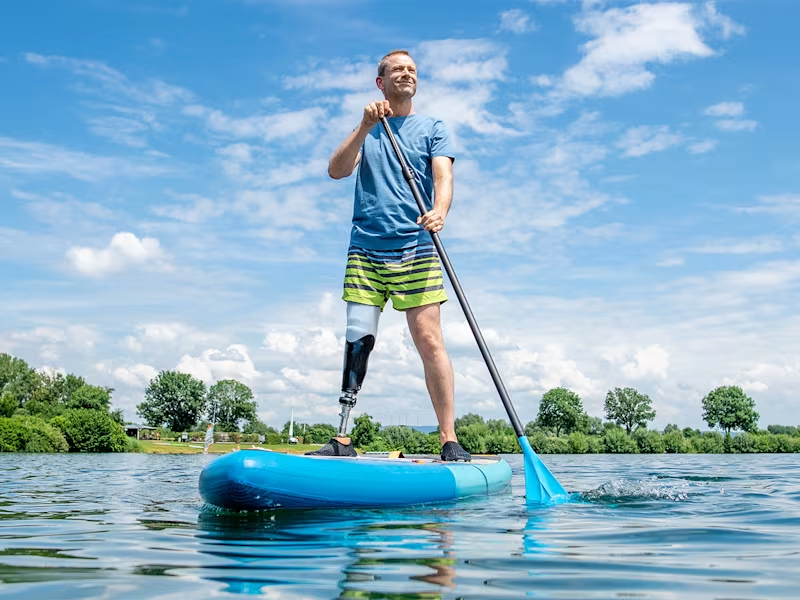
Since 2016, NHS England has approved funding for microprocessor knees (MPKs) for adults and children with lower limb amputation, or congenital limb difference. Clinical evidence demonstrates the clear benefits these prostheses provide to safety, stability, and functional mobility, with the policy expanding access to advanced prosthetic technology for eligible patients.
Through this policy, devices such as the C-Leg 4 are available to medium to highly active individuals, supporting dynamic movement and confident navigation of everyday environments. More recently, the Kenevo has expanded access to MPK technology for less active individuals or those at earlier stages of rehabilitation, offering enhanced stability while supporting the development of mobility and independence.
Following a structured assessment, trial, and approval process, prosthetists can prescribe these MPKs to eligible patients within NHS services. You can read more about the policy and eligibility criteria below, or speak to your prosthetist to explore whether an MPK is right for you.
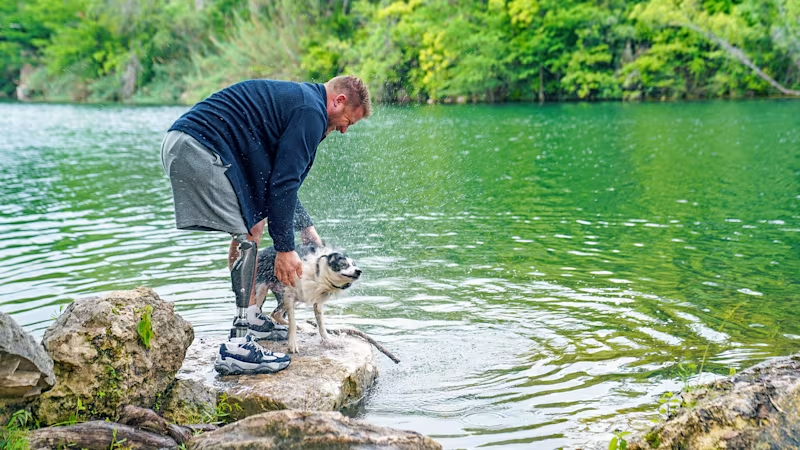
C-Leg: Trusted for good reason.
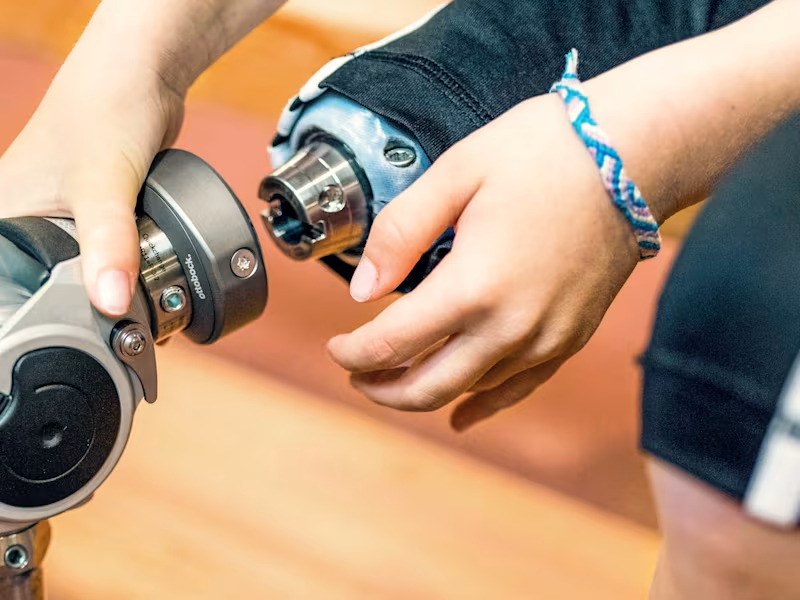
Since 1997, the C-Leg has set the standard for microprocessor knee technology. Built on decades of clinically proven development, it delivers advanced, real-time adaptive control for everyday movement. Using advanced sensor and hydraulic systems, it continuously responds to changes in walking speed, terrain, and movement patterns, helping users achieve a smoother, safer, and more natural gait across a wide range of environments.
Available through the NHS since 2016, the Ottobock C-Leg 4 is designed for medium to highly active individuals, supporting confident mobility on stairs, slopes, and uneven ground. Its long-standing clinical evidence and trusted performance make it a leading choice within NHS-funded microprocessor knee provision.

Enhanced Safety & Stability
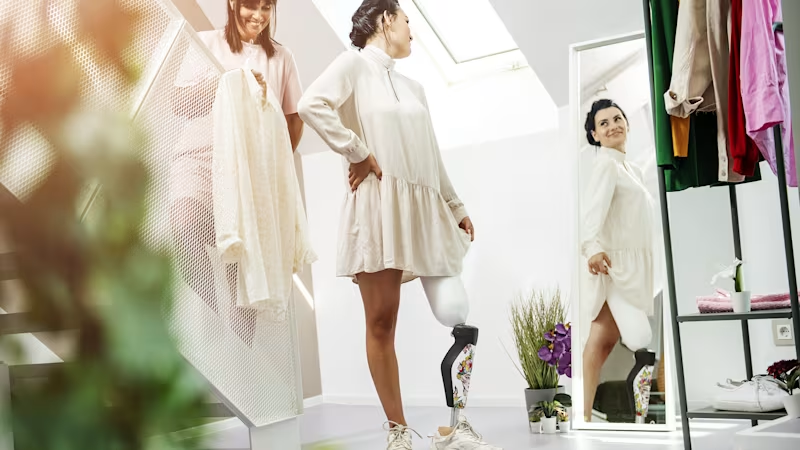
The C-Leg 4 uses advanced microprocessor technology to improve safety and stability in everyday movement, helping users feel more confident across a range of environments. Intelligent sensors adapt to each user’s walking pattern, supporting a smooth and natural gait with every step. The MPK is continuously ready to respond to unexpected movement, with Stumble Recovery Plus helping to reduce the risk of falls by providing the appropriate resistance to regain balance if a stumble is detected. Intuitive stance also provides stability when standing still, supporting balance in everyday situations.
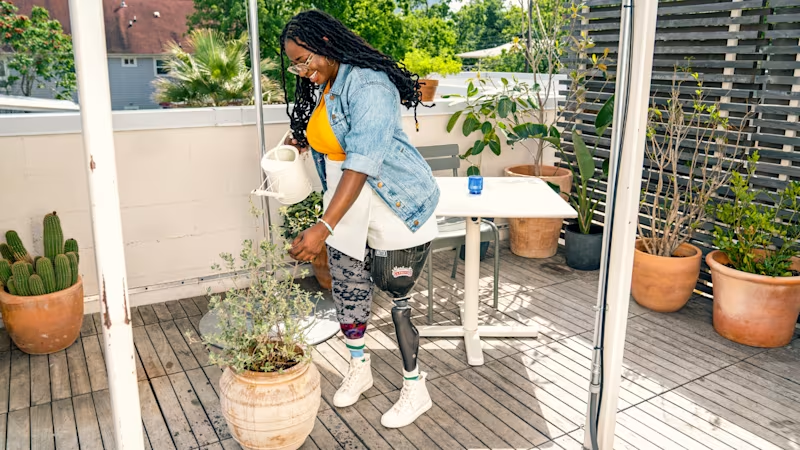
Kenevo: Stability in every step.
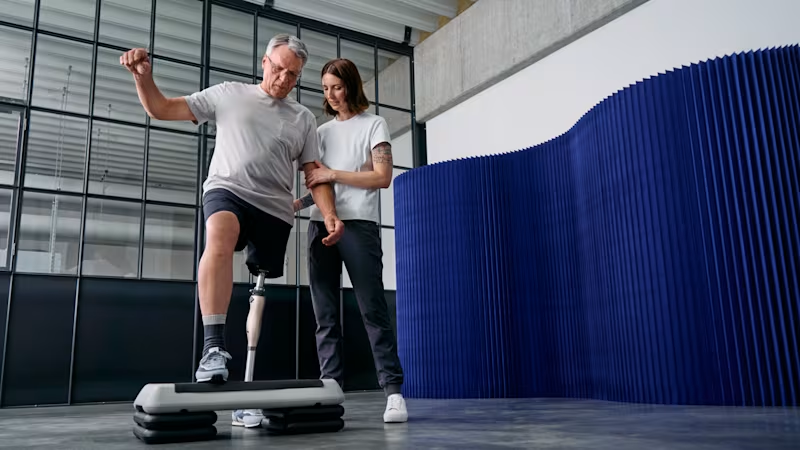
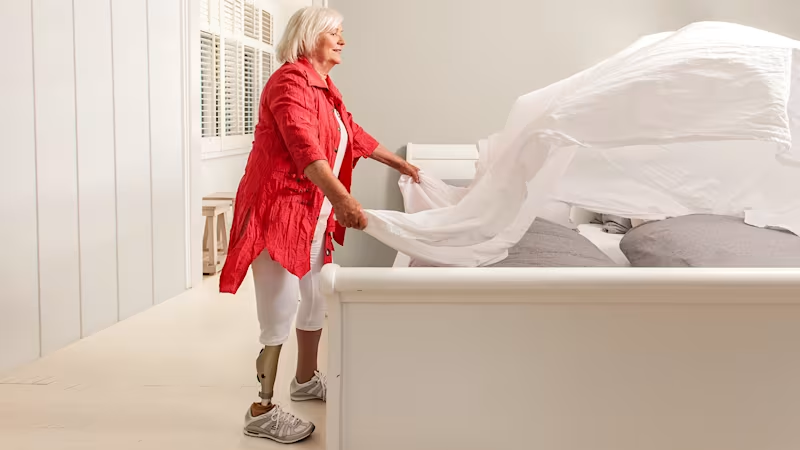
Learning to walk with a prosthesis is a journey of building confidence one step at a time. Kenevo is designed to adapt to each individual’s changing mobility needs, supporting a more personalised experience throughout rehabilitation and into everyday life. With three Prosthetist-set activity modes, the MPK can be adjusted to provide the right level of support as confidence and ability develop over time. Its intelligent sensors automatically responds to movement, reducing the risk of falls and providing support when walking, helping make daily activities simpler and more intuitive.
Kenevo is designed for individuals with lower mobility or those at the beginning of their rehabilitation journey, and can be prescribed when it can be demonstrated that an MPK will improve mobility. Supporting enhanced safety, stability, and confidence in everyday movement, Kenevo's established clinical use makes it a key option within NHS-funded microprocessor knee provision.

Maximum Safety & Stability
Kenevo prioritises maximum safety and stability, helping users feel secure and supported during everyday movements. Its advanced stance control includes locked and semi-locked modes, providing a secure base when standing, while controlled yielding enables safer, more supported movement on slopes and stairs. Additional features such as Stumble Recovery Plus, Intuitive Stance and Supported Sitting and Standing help reduce the risk of falls and support greater confidence during rehabilitation and daily use.
How do I apply for NHS Microprocessor Knee funding?
Accessing NHS funding for a microprocessor knee (MPK) prosthesis is straightforward. Patients must meet defined inclusion criteria, which includes having one of the following single or double amputation levels: transfemoral (above-knee), knee disarticulation, hip disarticulation, or hemipelvectomy. There may also be some additional clinical requirements that are assessed on an individual basis by your clinical team.
Regardless of where a patient is in their rehabilitation journey, whether newly amputated or an experienced prosthesis user, a multidisciplinary team at a specialist prosthetic centre will assess suitability for an MPK. This team typically includes a Consultant in Rehabilitation Medicine, Prosthetist, Physiotherapist, and other healthcare professionals. Together, they evaluate mobility, safety, and functional goals to determine the most appropriate prosthetic solution, which may include devices such as the Kenevo or C-Leg, depending on the individual’s needs and activity level.
In addition to the knee joint, the prosthetic prescription will include appropriate supporting components, such as a prosthetic foot and, where required, a hip joint. NHS funding also covers essential accessories that support safe and effective everyday use, such as a knee joint protector or a USB charger.
Ongoing support is a key part of the NHS MPK pathway. Patients already using a microprocessor knee may be eligible for replacement devices after the warranty period, or sooner if their clinical needs change, ensuring continued access to technology that supports mobility, confidence, and independence over time.
Start the Process: Contact your local NHS Prosthetist or limb centre and request an assessment for an NHS funded MPK.
Assessment: Your multidisciplinary clinical team will assess your suitability for a MPK based on clinical criteria, mobility and individual goals.
MPK Trial: You will be fitted with a trial MPK and begin training with a Physiotherapist. Once confident you will take the prosthetic leg home to test it in real-life settings.
Progress Tracking: Throughout the trial, your Physiotherapist will perform a series of measurements called 'outcome measures' to determine if the MPK is beneficial. These include measures related to functional mobility, participation and goal setting, and are first performed on your existing prosthetic limb (if applicable), when you collect the trial MPK and then again at the end of the trial.
Final Fitting: If the trial is a success, the MPK will be prescribed for ongoing use. You can take the prosthesis home and continue using it in your everyday life.
Continued Support: You will have regular follow-up appointments with your clinical team to monitor progress, optimise performance, and make any necessary adjustments over time.
Move, Play and Grow with Ottobock.
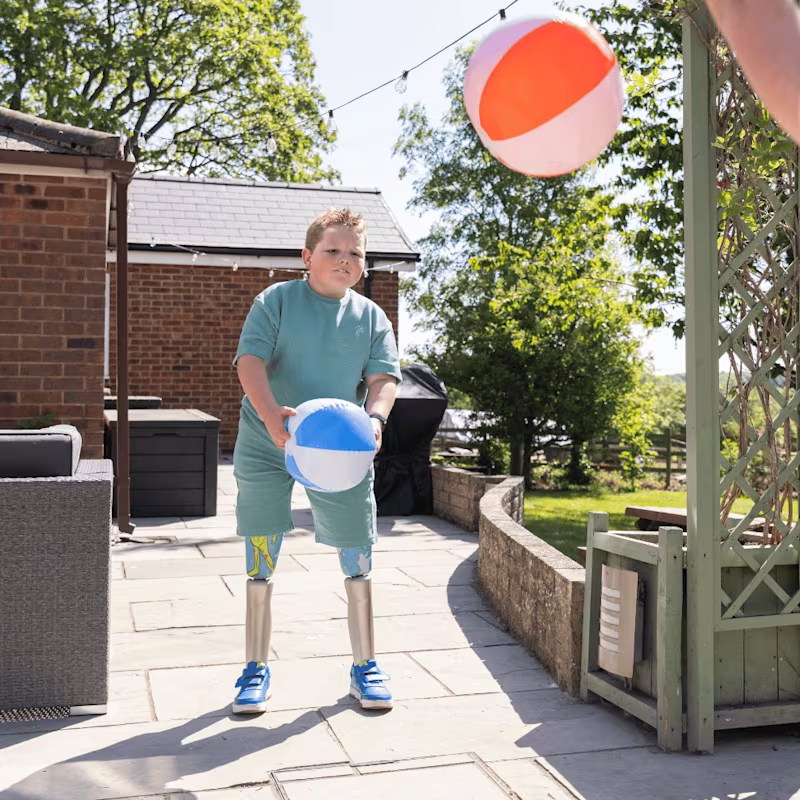
Every child deserves the confidence to move, play, and explore. NHS-funded microprocessor knees (MPKs) can help children and young people with limb loss walk more naturally, tackle uneven ground and stairs with greater confidence, and stay active alongside their peers.
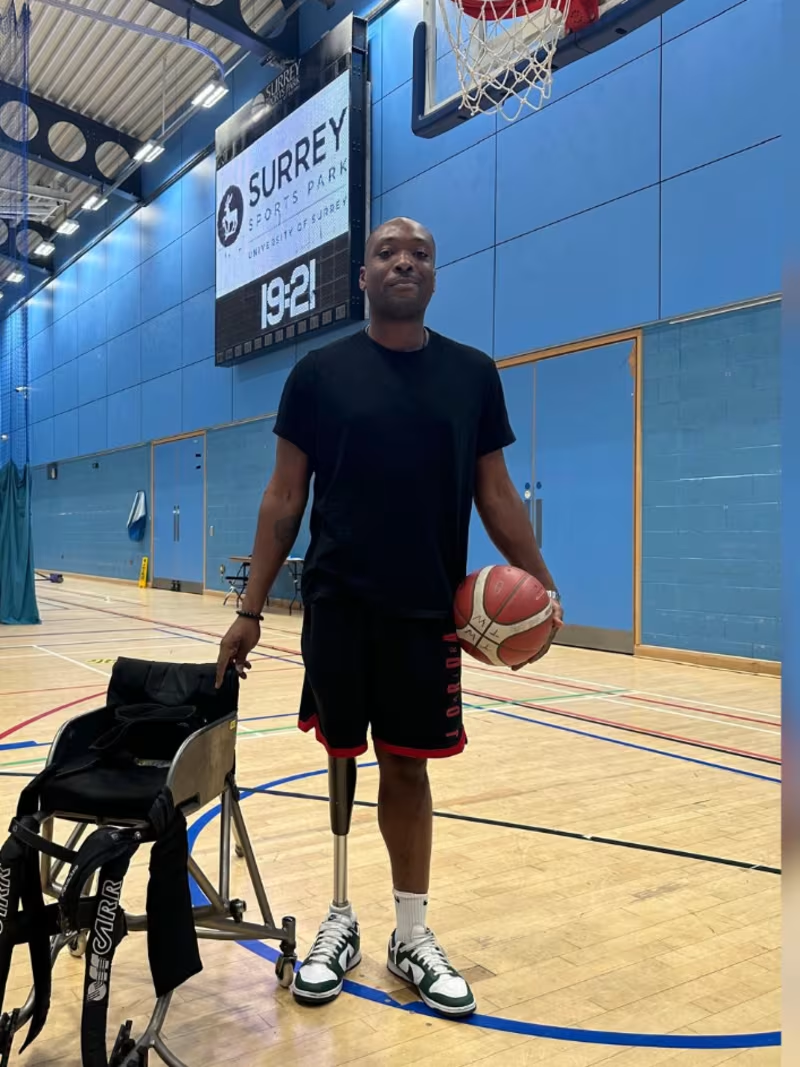
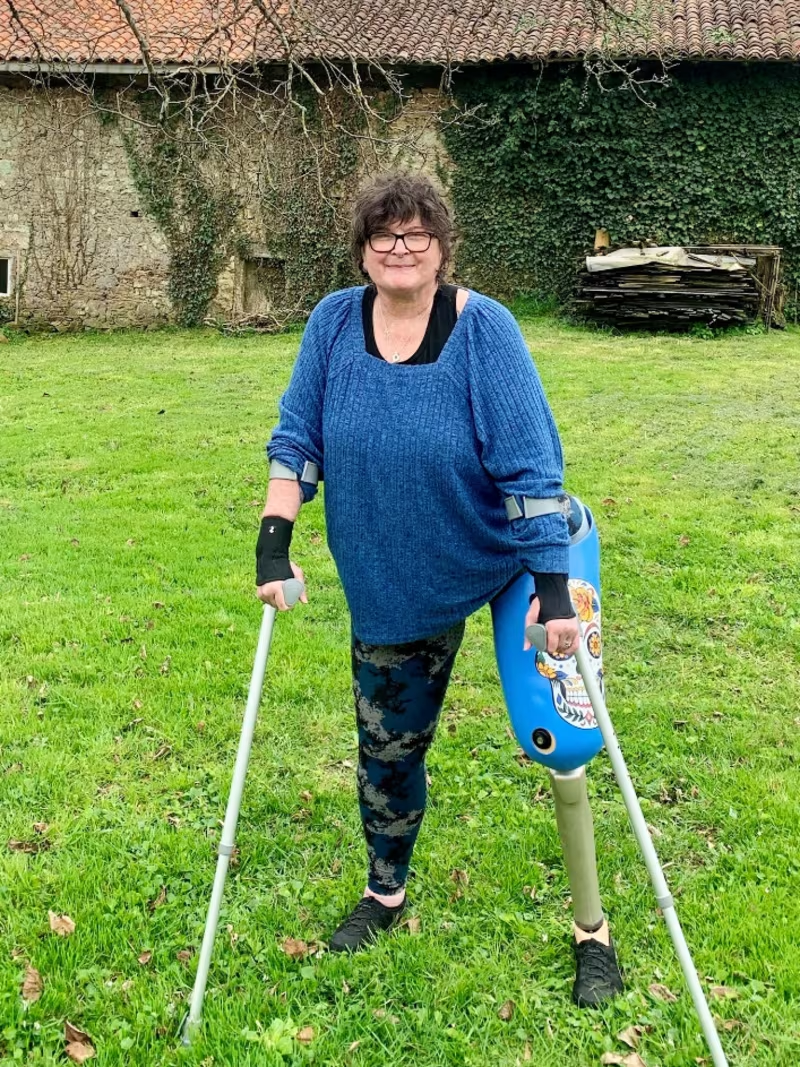
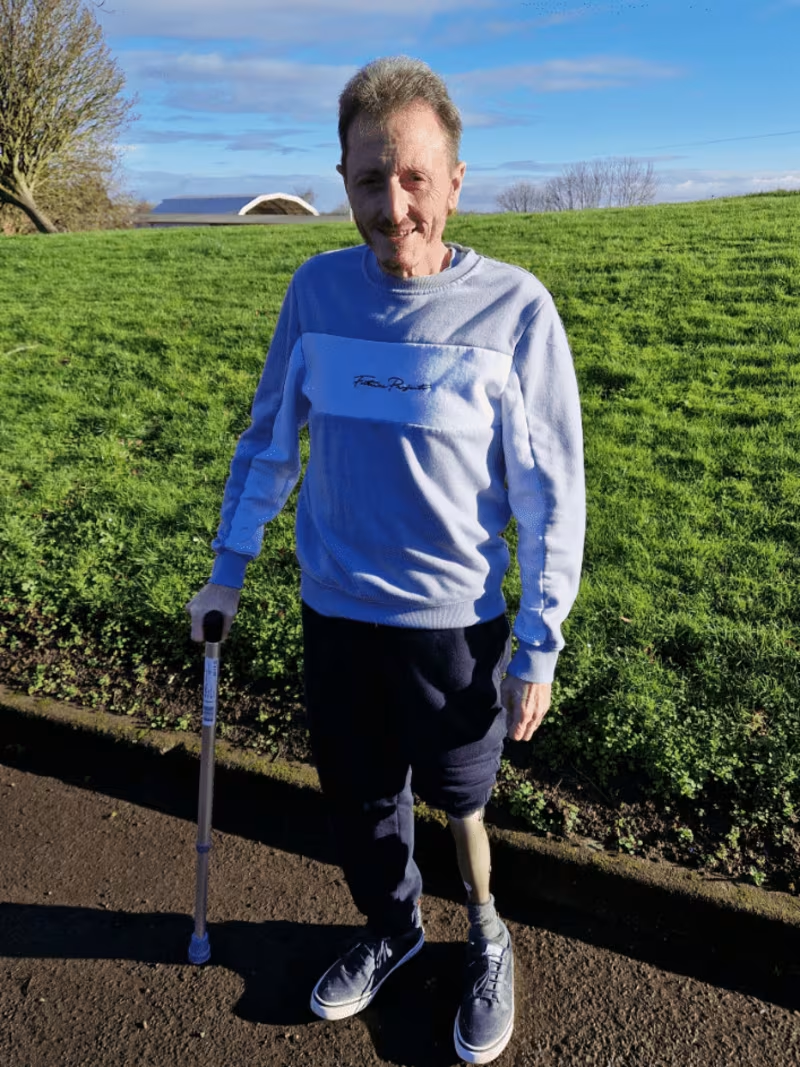
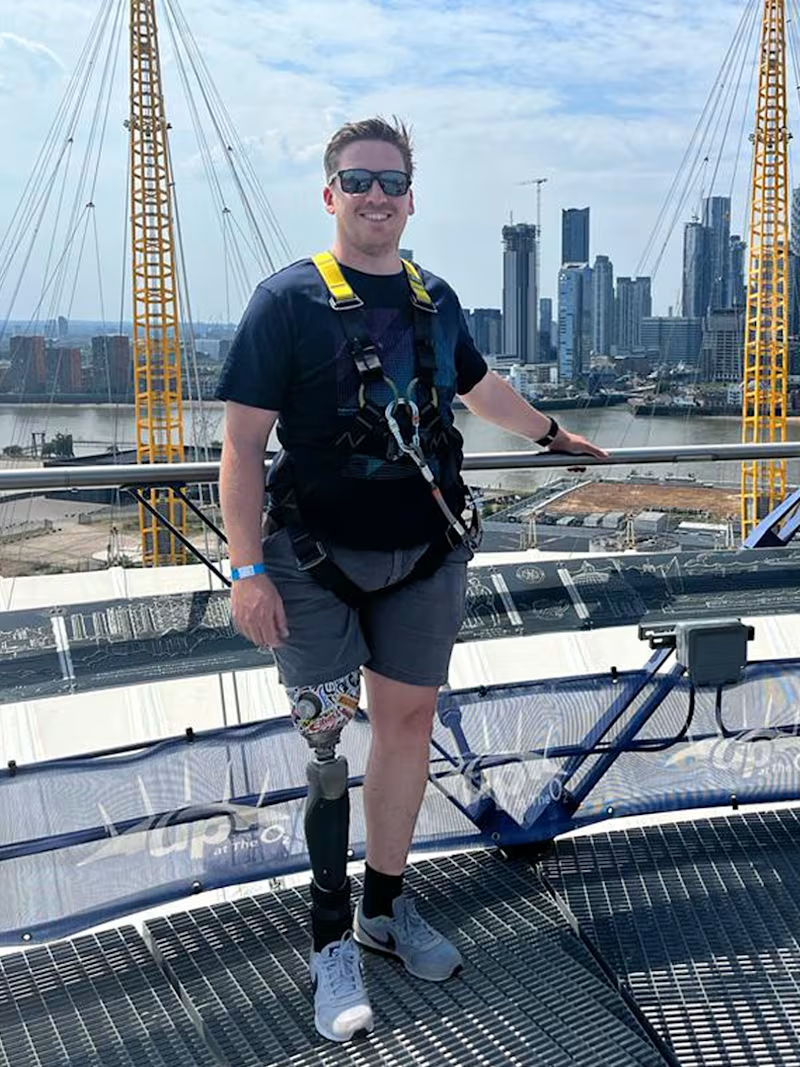
Don't just take our word for it, take a look at what our users think...
“It's the most life-changing piece of equipment I've ever received!”
David
“C-Leg is a game changer for enabling you to do more and having confidence in the way you walk”
Darren
“C-Leg took my confidence from being very low, to very high. I class the C-leg as a real part of my body now. It literally does everything that it says it does.”
Stephen
“My C-Leg allowed me to return to university to complete my degree, and now work in my dream job, without which I am certain I would not have had the confidence in my ability to walk around.”
George
“C-Leg has revolutionised my world, I feel I have more energy, feel more stable and secure and the way I walk is much more fluid”
Lisa
“C-Leg gives me more independence without worrying about falling.”
Nicola
Trust, move and live with Ottobock's lower limb prosthetic solutions.
Adapting to life with limb loss or limb difference can be challenging, both physically and emotionally, and often involves continuous learning and adjustment. Having the right support in place can make a meaningful difference. To support you, we have compiled the information below for you to explore.
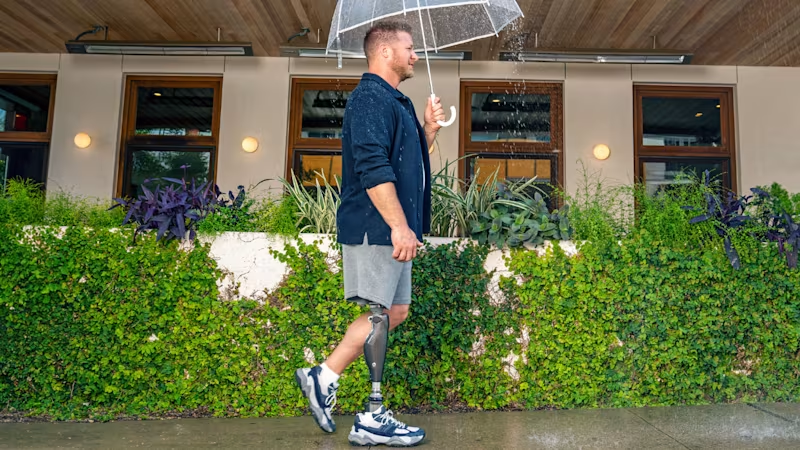
Lower Limb Prosthetics
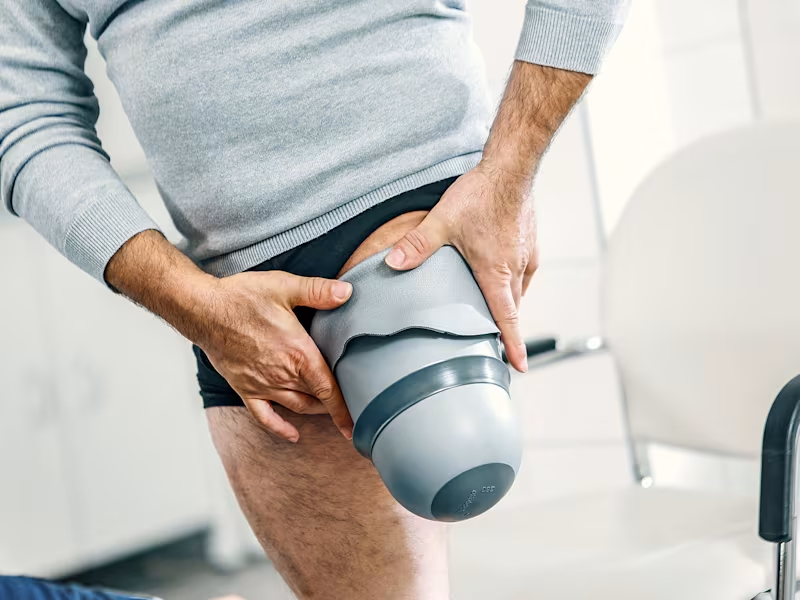
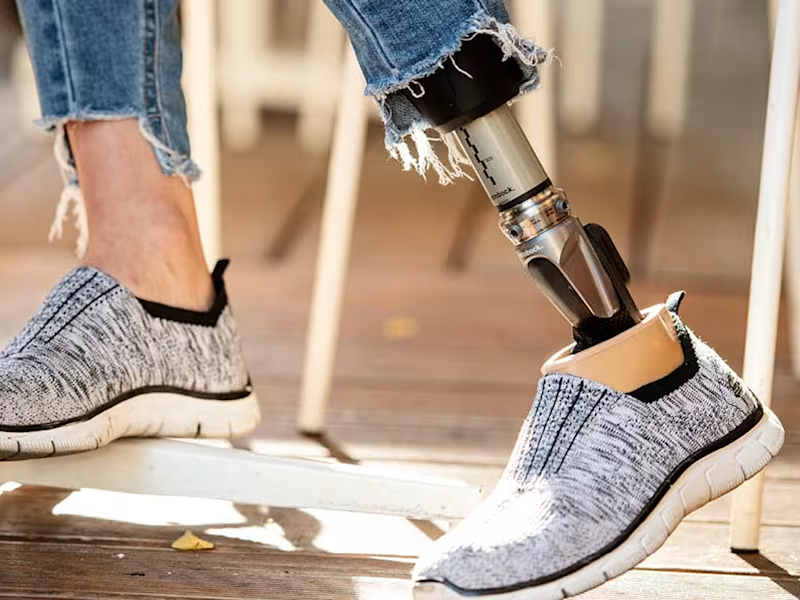
Discover how prosthetic legs are designed to restore mobility and independence through a combination of socket, knee and foot components.
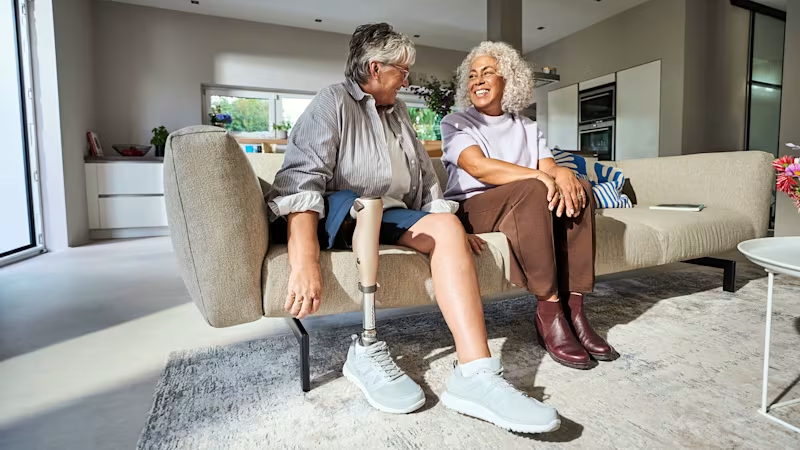
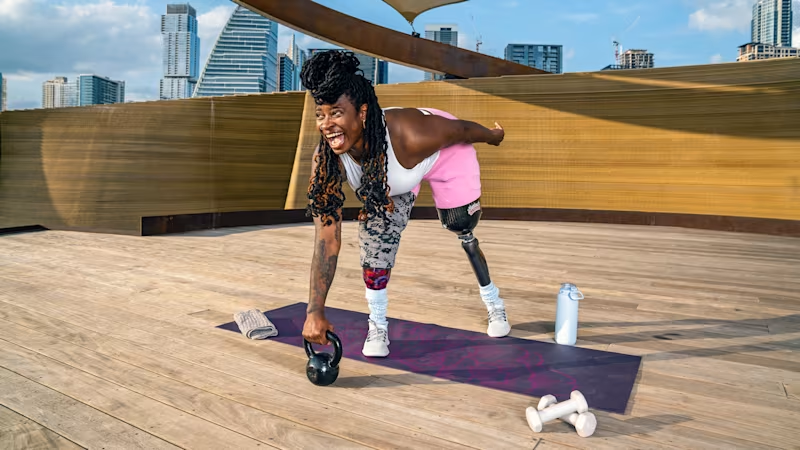

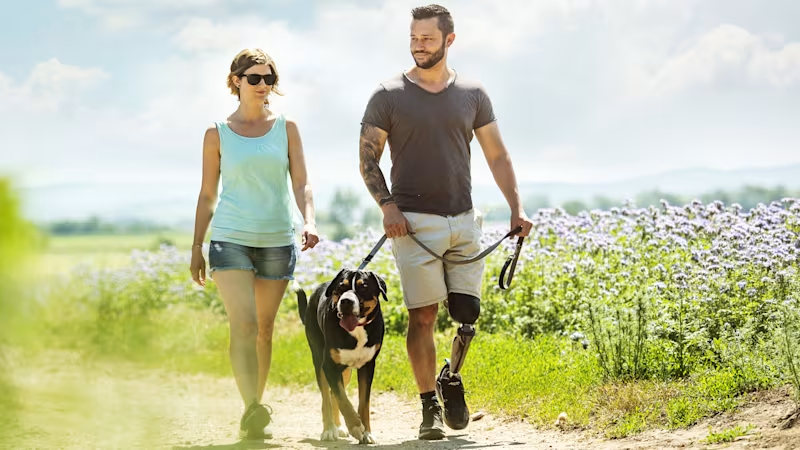
C-Leg 4: legacy lives on.
Microprocessor knees have been available to amputees via NHS England since 2016, meaning many early users may now be approaching their refitting period. Those fitted with a C-Leg can upgrade to the latest C-Leg 4 and experience the latest innovative features in the same C-Leg you know and love, while those fitted with other MPKs, now have the opportunity to trial our C-Leg 4 and join over 100,000 global users in experiencing the world’s most studied prosthetic device.
If you believe you may be due for a refit, we recommend contacting your prosthetist or local limb centre to discuss your options and next steps.

Why do people choose Ottobock microprocessor knees like C-Leg and Kenevo?
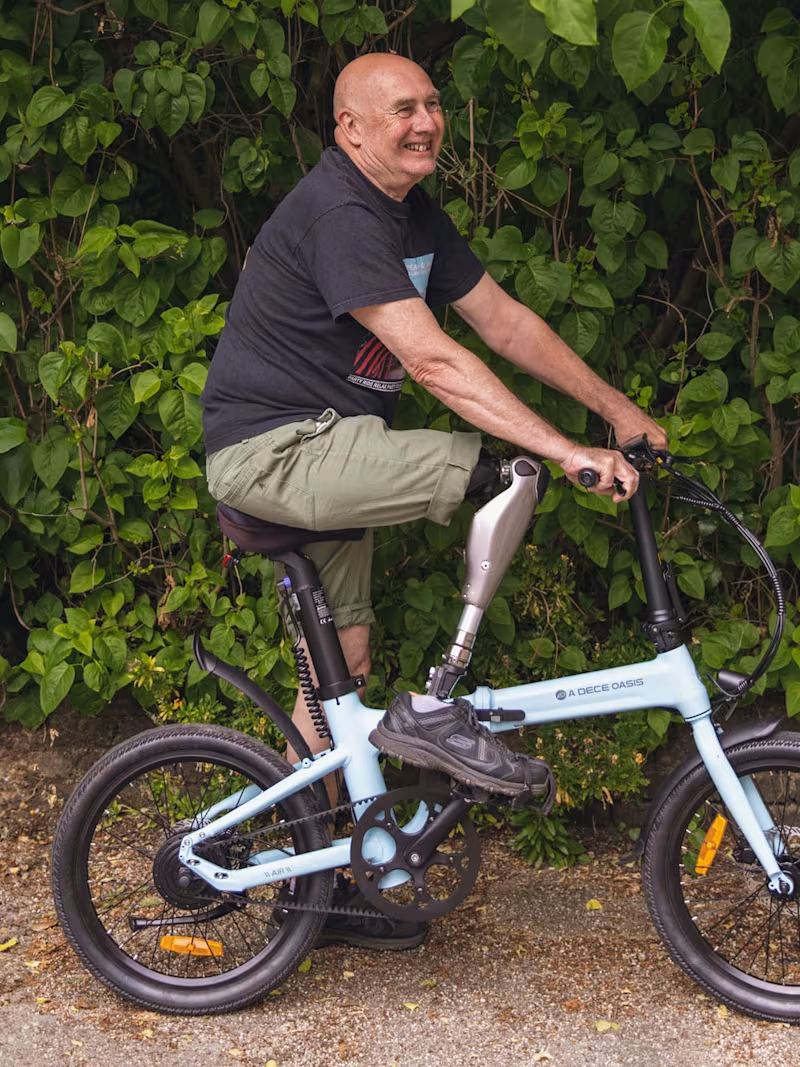
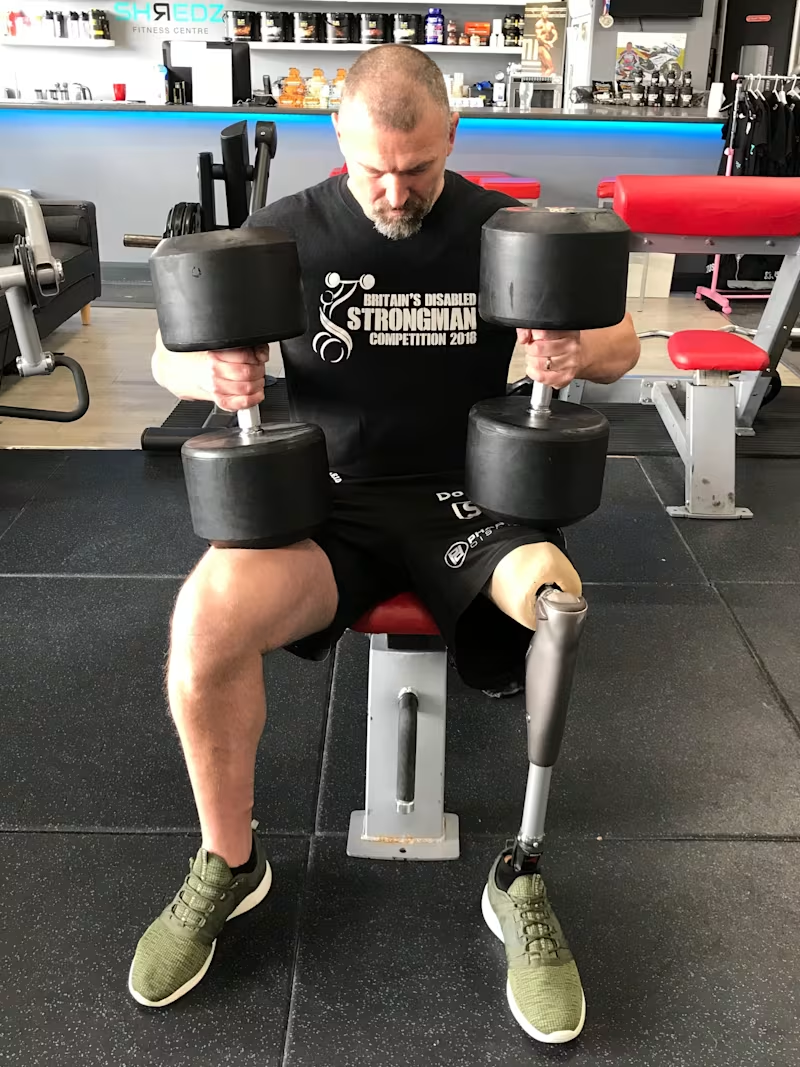
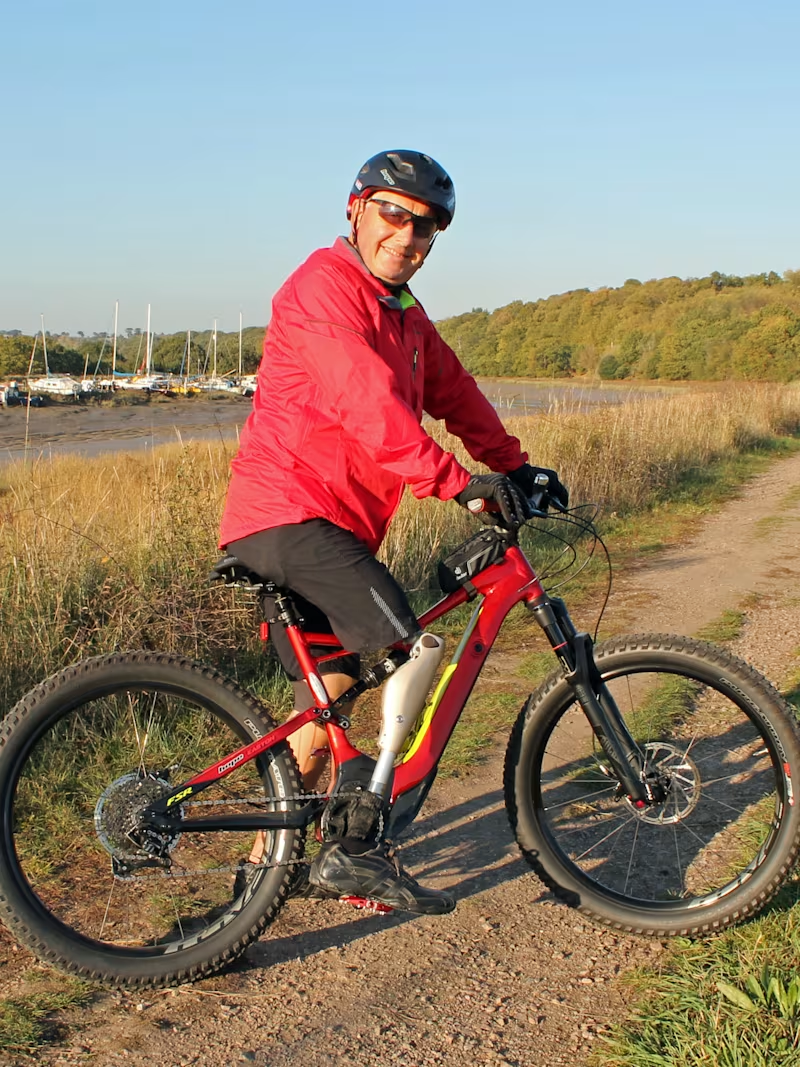
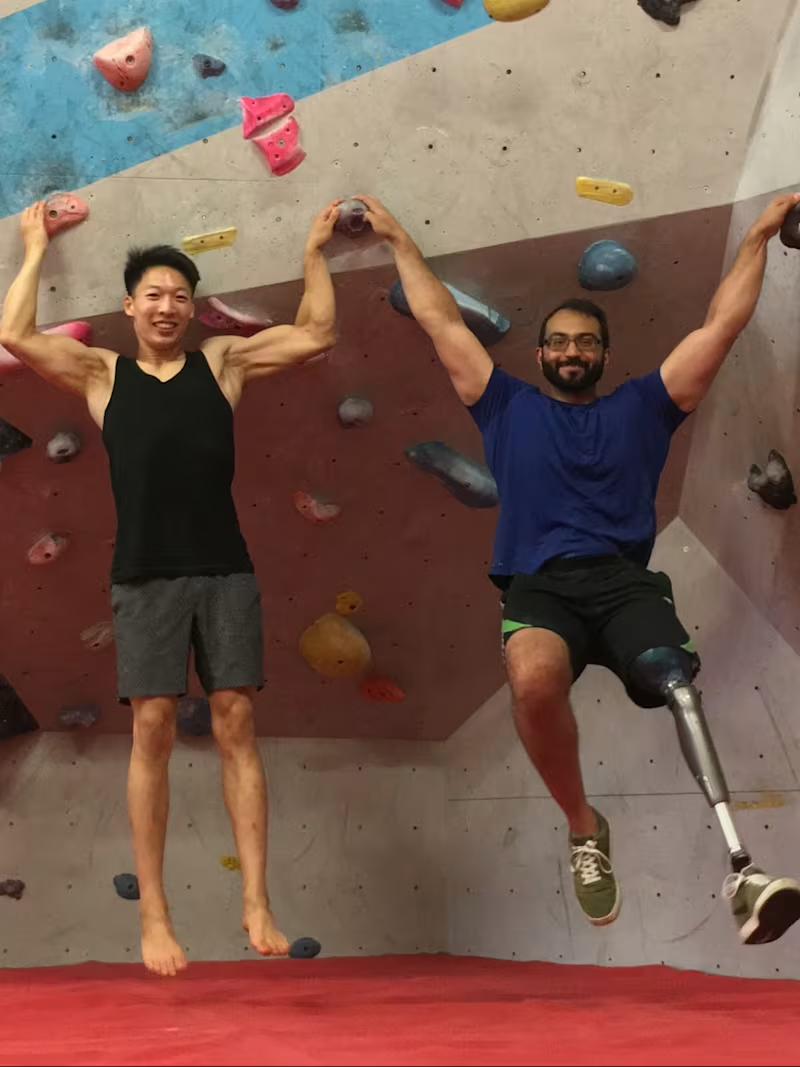
C-Leg and Kenevo have transformed the lives of thousands of people worldwide. Whether supporting confident movement or providing stability and reassurance during rehabilitation, both are designed to meet different mobility needs. Many users have shared their experiences with us, discover how this technology has helped them achieve greater independence and live the life they want.

Helpful Downloads.
Supporting Components for Your MPK.
For your MPK to perform at its best, the right foot and socket are essential. These components connect the leg to your MPK, making walking feel more natural and comfortable. Below, you’ll find links to compatible feet, sockets, and other components designed to work with our MPKs.