
MPKs for Kids.
Move, Play and Grow with Ottobock.
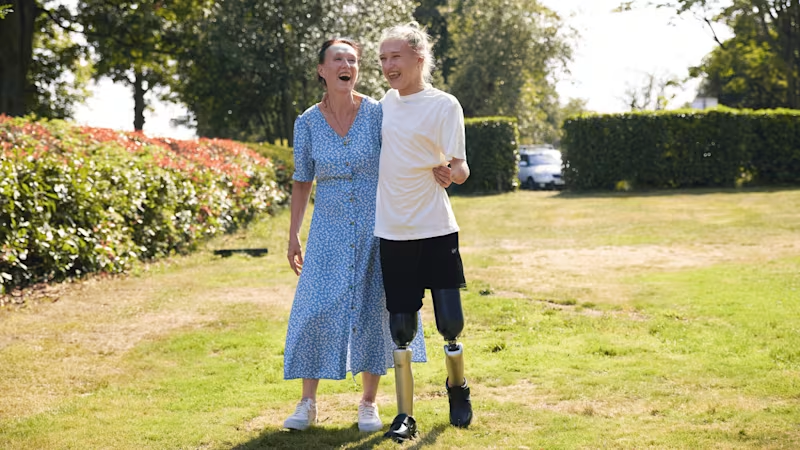
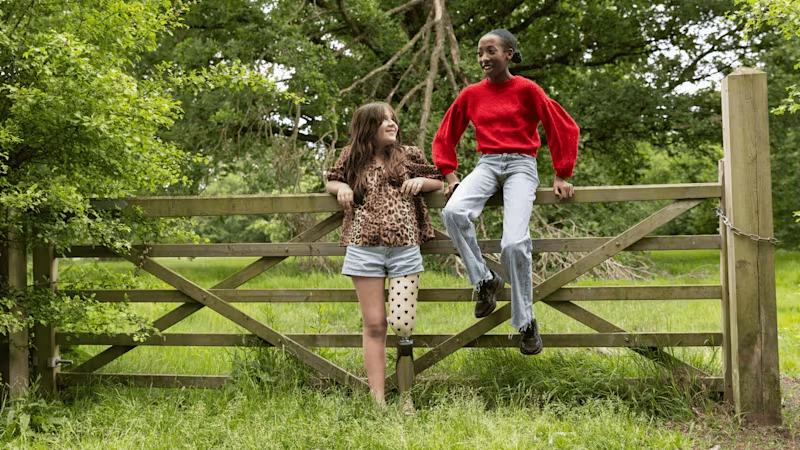
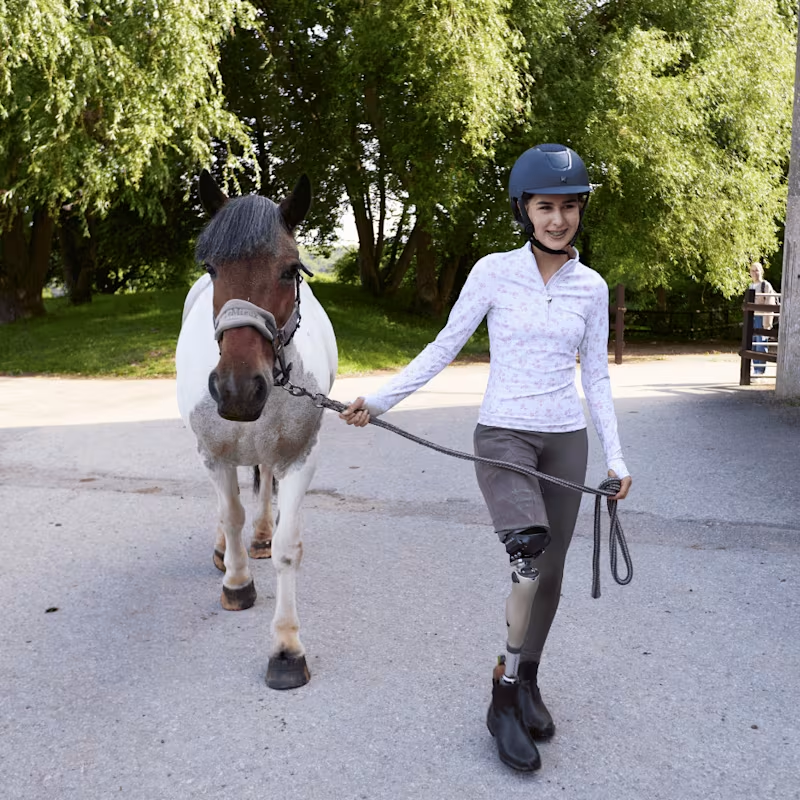
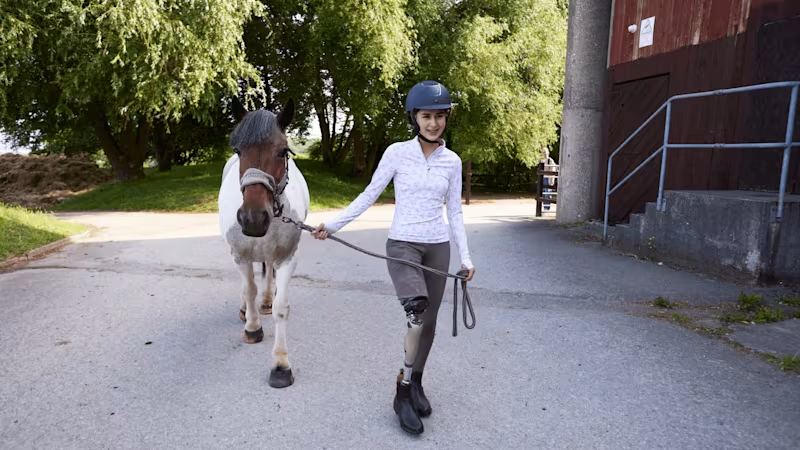
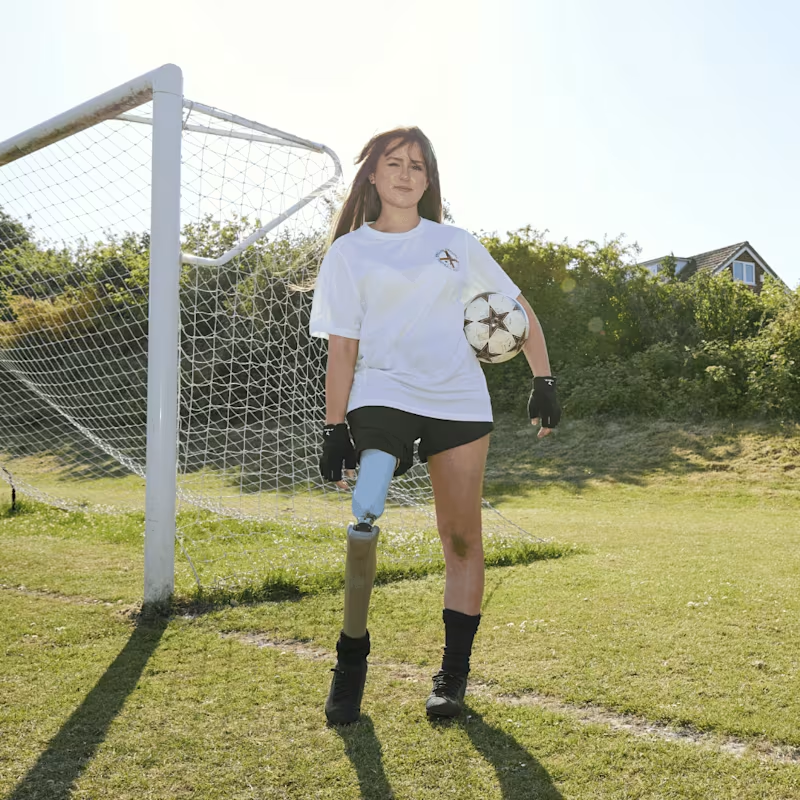
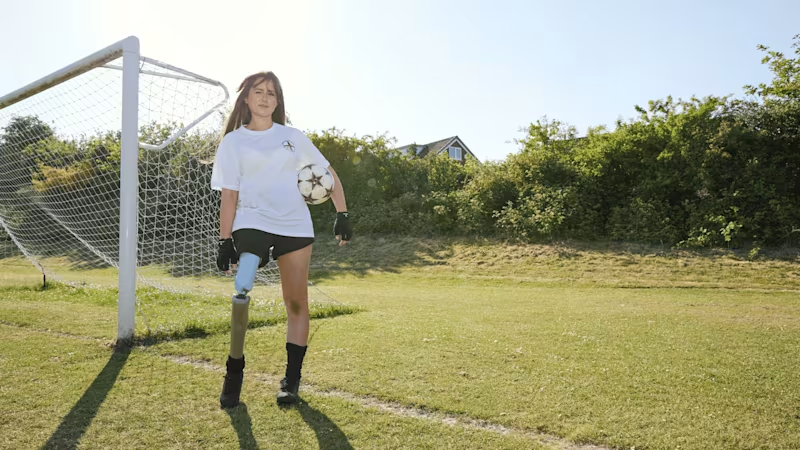
At Ottobock, we believe every child deserves the freedom to move with confidence. Our range of microprocessor prosthetic knees (MPKs) includes advanced features that offer significant benefits for children, providing stability, safety, and adaptability as they walk, run, and explore the world around them. Whether it’s ensuring safety during their first steps following an amputation in the rehabilitation phase, keeping up with everyday play in the playground, or the challenges of young adult life in sixth form or at their first job, Ottobock MPKs support active lifestyles and encourage independence right from the start of their journey.
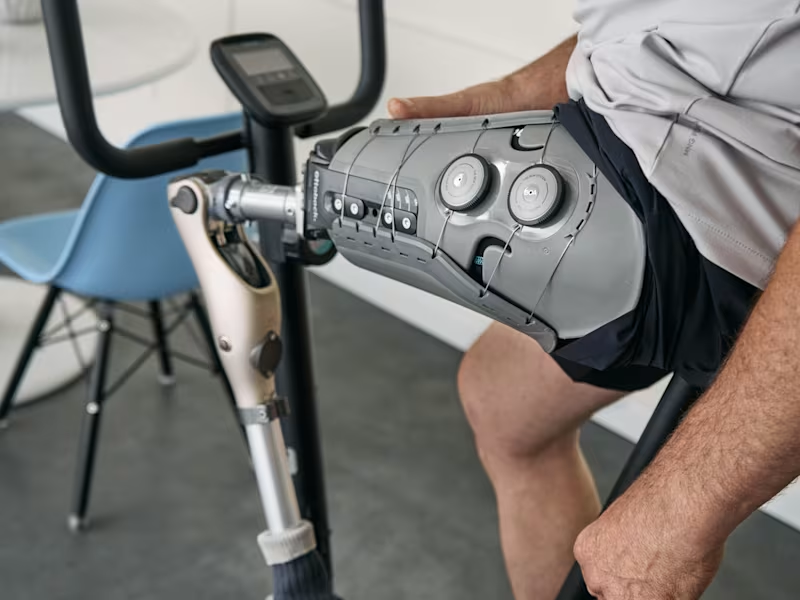
An MPK is a type of prosthetic knee joint that uses advanced sensors and onboard computers to continually adjust resistance and movement based on how the user is walking. This provides greater stability, especially when walking on uneven surfaces, going up or down slopes, or navigating stairs. For children, this can translate to more natural movement, fewer falls, and a better chance to keep up with their peers, whether in the classroom, on the playground, or during sports and outdoor adventures.
Children and young people can access NHS-funded microprocessor knee joints through their local prosthetics clinic, provided they meet the prescribing criteria set by NHS England, Scotland, or Wales. Thanks to the NHS’s commitment to advancing mobility solutions, this can mean your child has greater confidence, independence, and the ability to lead a full and active life.
We’re proud to support children and families on this journey toward greater mobility and independence, and to be part of a future where advanced prosthetic technology is available to all who need it.
Kenevo: Supporting Safe, Independent Movement.
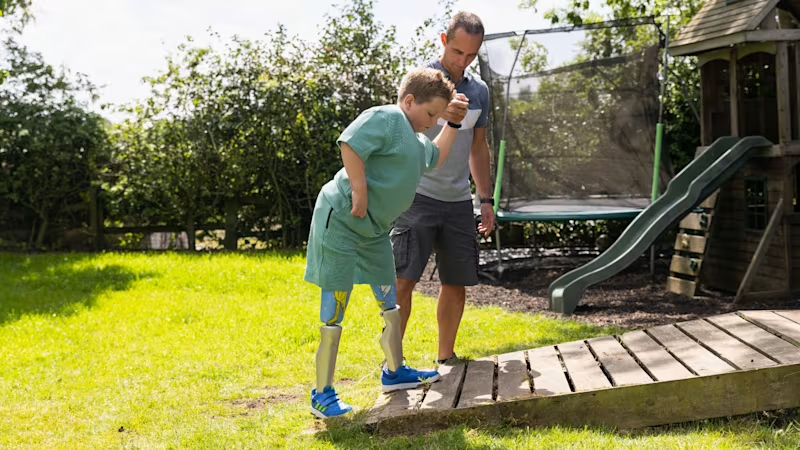
Kenevo offers advanced safety and support features, making it ideal for young children developing their mobility. At some clinics, children even take their very first steps using a Kenevo, completing their rehabilitation with it before receiving the final fitting. With Stumble Recovery Plus, Intuitive Stance, Supported Sit-to-Stand, and a Manual Lock for extra stability, the Kenevo helps reduce the risk of falls and provides confidence in every step. Its semi-locked modes (Mode B and B+) and yielding Mode C give support on ramps, stairs, and uneven ground, allowing young users to move more freely. With the Kenevo, children can focus on what matters most, playing, learning, and exploring, whilst knowing their knee offers reliable security.
Lightweight Design, Heavyweight Performance
The Kenevo is the first microprocessor knee specifically designed for people with significant mobility limitations who need a higher level of stability and support. It is also the lightest MPK on the market and has the smallest build height, making it an ideal choice for a wide range of users. Its advanced technology helps users feel safer and more independent, offering features such as supported sitting and standing, Stumble Recovery Plus, Intuitive Stance, and even a dedicated Wheelchair Function. With these functions, the Kenevo provides the security of a microprocessor knee to those who need it most.
C-Leg: Growing Up with Confidence.
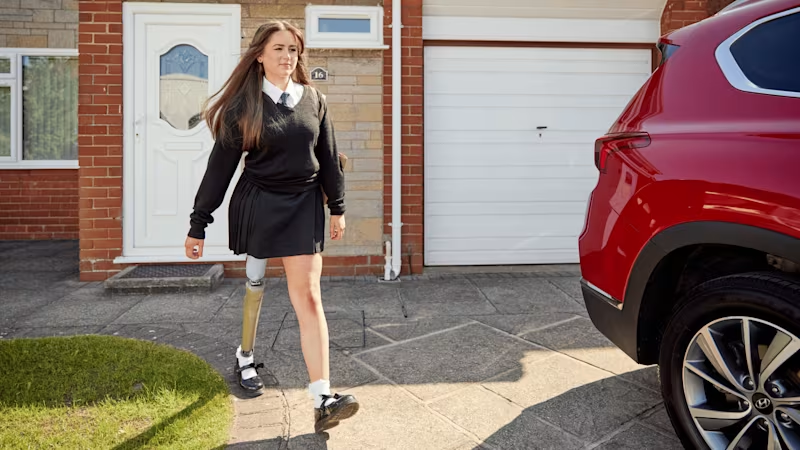
Through NHS funding, children have access to the C-Leg 4, Ottobock’s signature microprocessor knee renowned for its advanced features and proven performance. With intuitive sensors and Stumble-Recovery technology, the C-Leg dynamically adapts to different walking speeds and terrain. This means smoother transitions on stairs, ramps, and uneven surfaces, helping kids stand with ease, feel secure with every step, walk effortlessly, and benefit from customisation that supports play, learning, and everyday life.
Stand With Ease
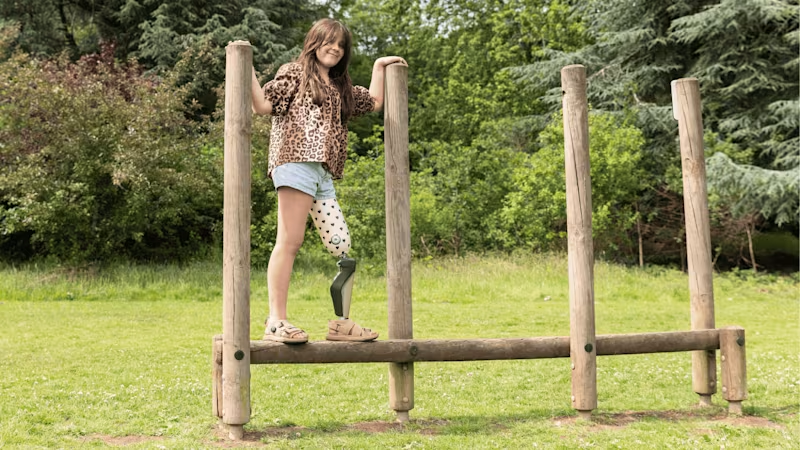
The C-Leg 4 is an intelligent prosthetic knee with a feature called Intuitive Stance that makes standing still safer and easier. When waiting in line or chatting with a friend, the knee automatically provides extra stability by becoming slightly stiffer, helping your child stay steady and balanced without the worry of wobbling. As soon as they’re ready to move, the C-Leg seamlessly transitions back into walking mode, adapting instantly so they can step forward smoothly and effortlessly.
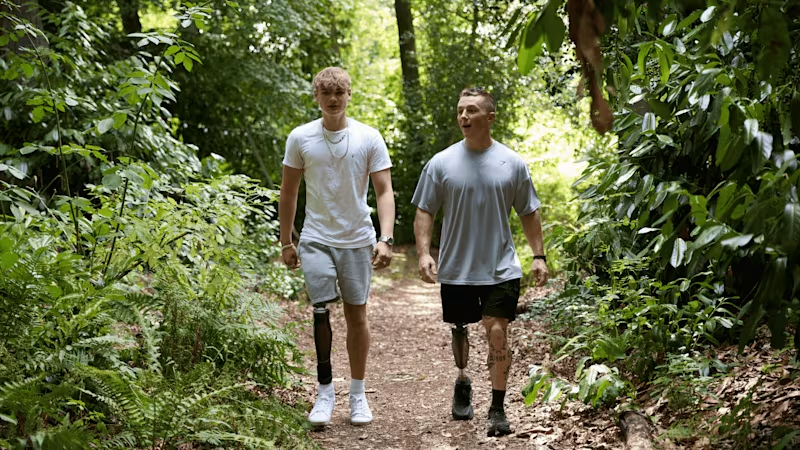
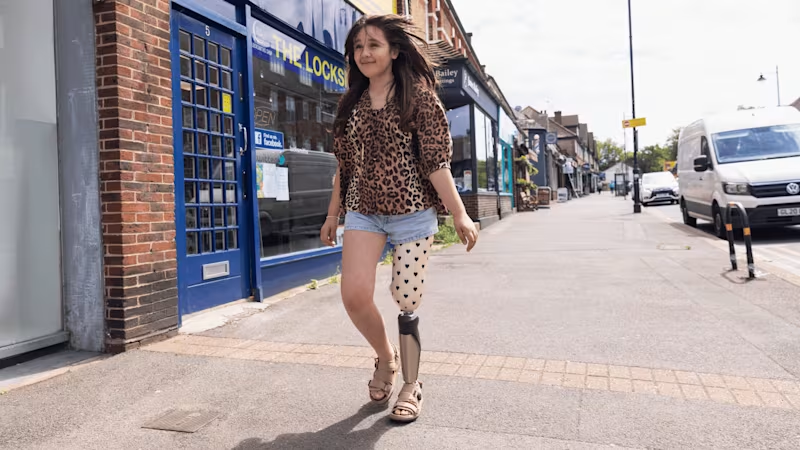
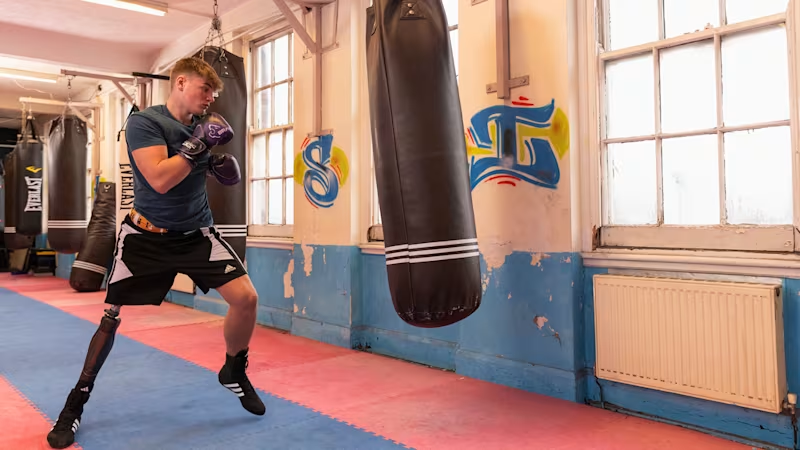
What the Research Shows for Kids and MPKs.
Enhanced quality of life.
C-Leg 4 users reported an improvement in quality of life, with less pain, easier walking, improved body image, as well as more energy to keep up with friends and stay focused at school. [2,3]
Fewer falls. Greater confidence.
With Kenevo, 50% of users report never stumbling and 72% never falling while using their MPK, helping reduce the fear of falling and increase safety during walking and standing. [1]
Improved mobility with less fatigue.
Kids walk with greater confidence and experience less fatigue with the C-Leg 4, giving them more energy to multitask and enjoy time with friends, family, and fun activities. [2,3]
Increased walking speed.
With the C-Leg 4, children walk faster and with greater confidence in their MPK’s stability, helping them keep up and stay active with friends. [2,3]
Support for bilateral users.
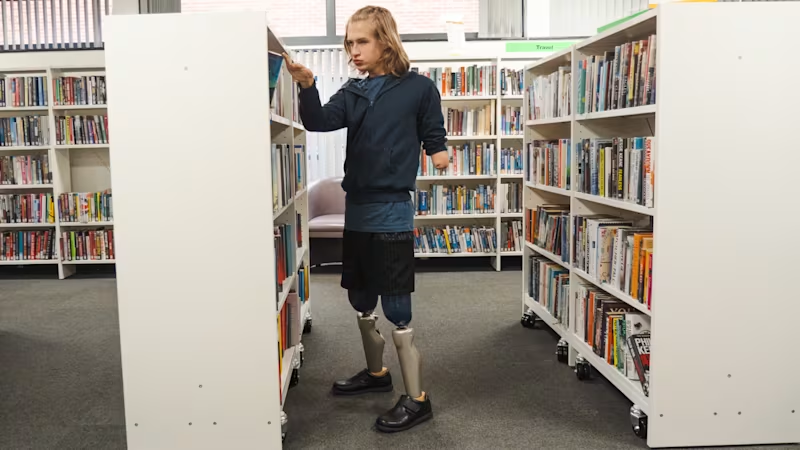
With Kenevo as an initial prosthesis, bilateral amputees benefit from greater stability and control on stairs, inclines, and uneven terrain, enabling earlier ambulation and smoother reintegration into daily life. [4,5,6]
Enhanced performance on stairs & ramps.
Kenevo users report improvements in their descent of stairs and ramps, making everyday environments easier to navigate with confidence. [1]
Use of Microprocessor Knees in Children at Birmingham Prosthetics Clinic.
An unpublished study of 10 patients at the Prosthetics Clinic in Birmingham, UK, looked at the benefits of fitting children with microprocessor knees (MPKs). All participants were tested using a C-Leg or Kenevo, aged 13 to 17 and had previously used mechanical prostheses. Each child was tested with their original prosthesis and then re-tested after an acclimatisation period with the C-Leg or Kenevo, allowing for a direct comparison.
Prosthesis Evaluation Questionnaire (PEQ): asks children how they feel about their current prosthesis compared to their MPK across different aspects such as comfort, appearance, and ease of use.
100% felt their walking ability improved
83% felt their appearance was better.
100% said they were less frustrated with the MPK.
50% felt more accepted by their support network.
100% noticed their residual limb was healthier.
33% felt the social burden of wearing a prosthesis was reduced.
100% said the MPK was quieter than their old limb.
100% found it easier to manage and more comfortable.
50% reported an improvement in their overall quality of life.
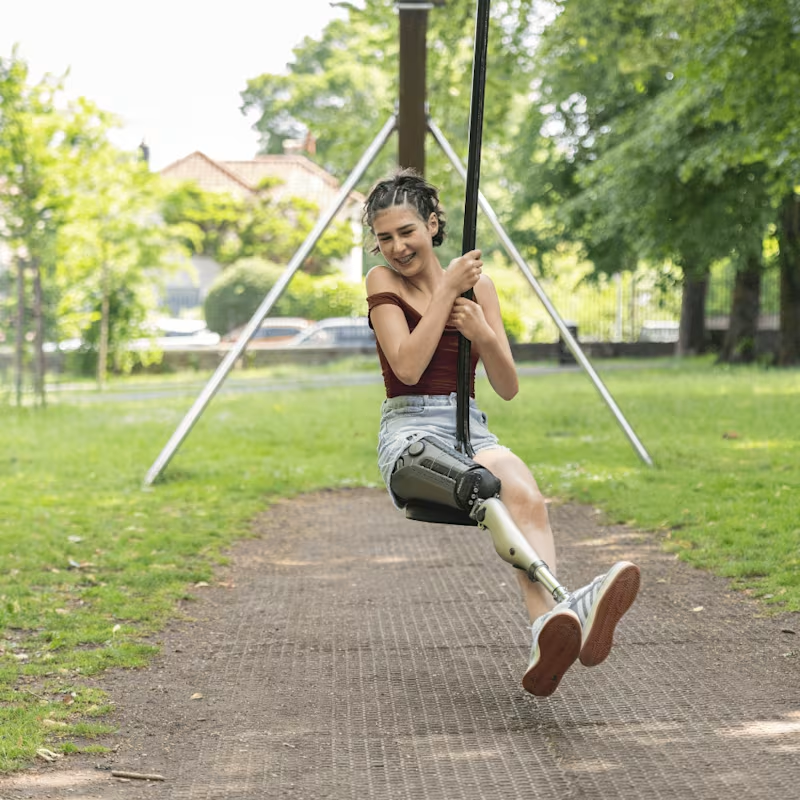
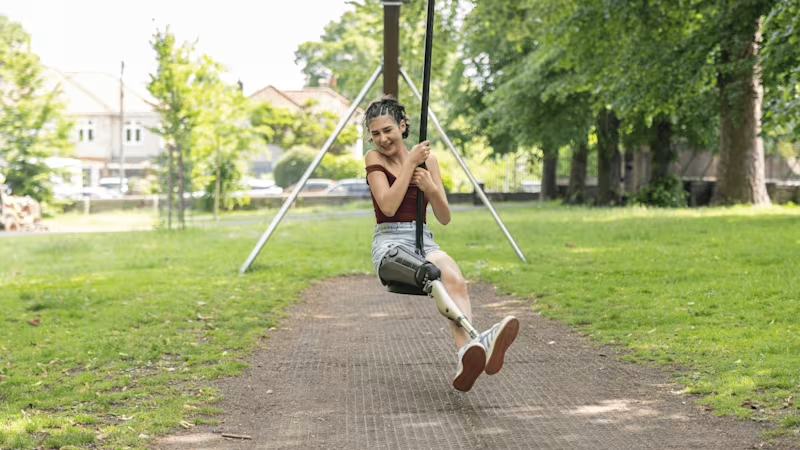
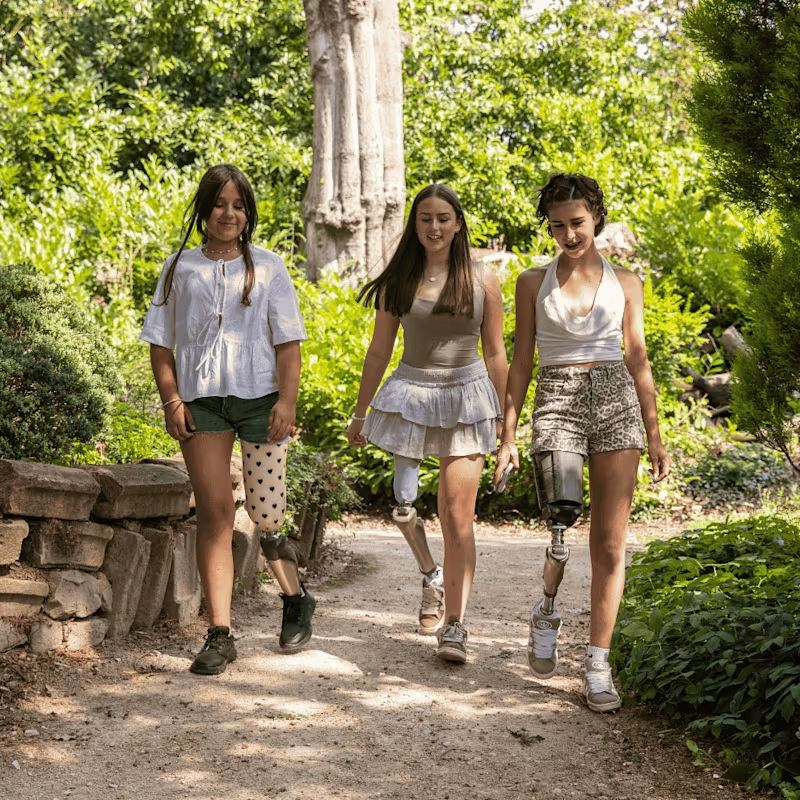
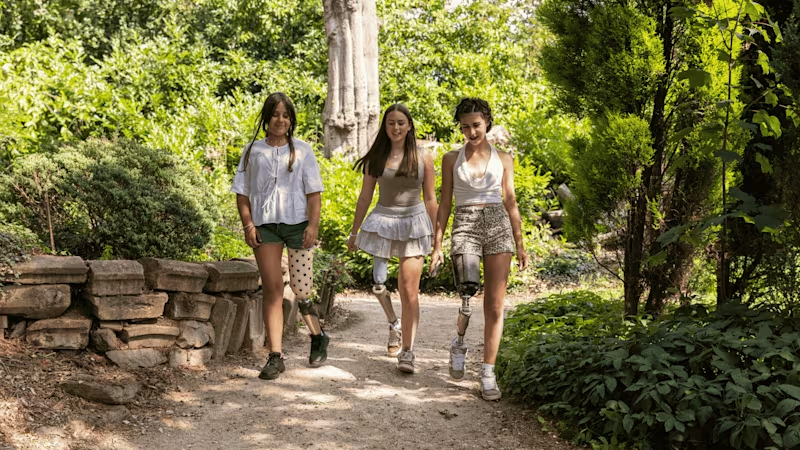
User Stories: See How Kids are Thriving With MPKs.
Hear from families and young users who are navigating everyday life with the support of Ottobock’s microprocessor knees. Slide through to read their stories!
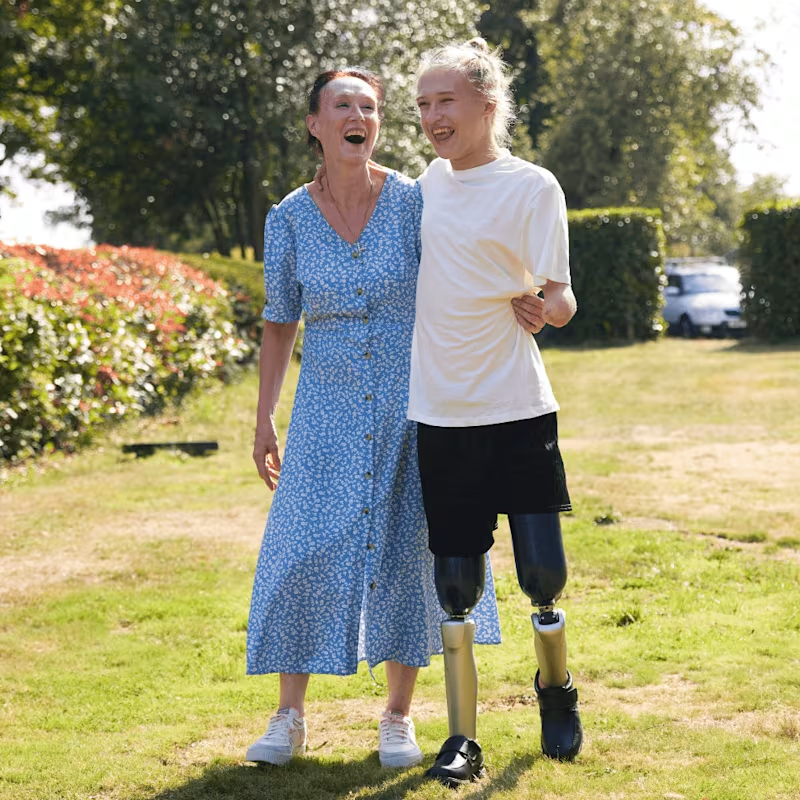
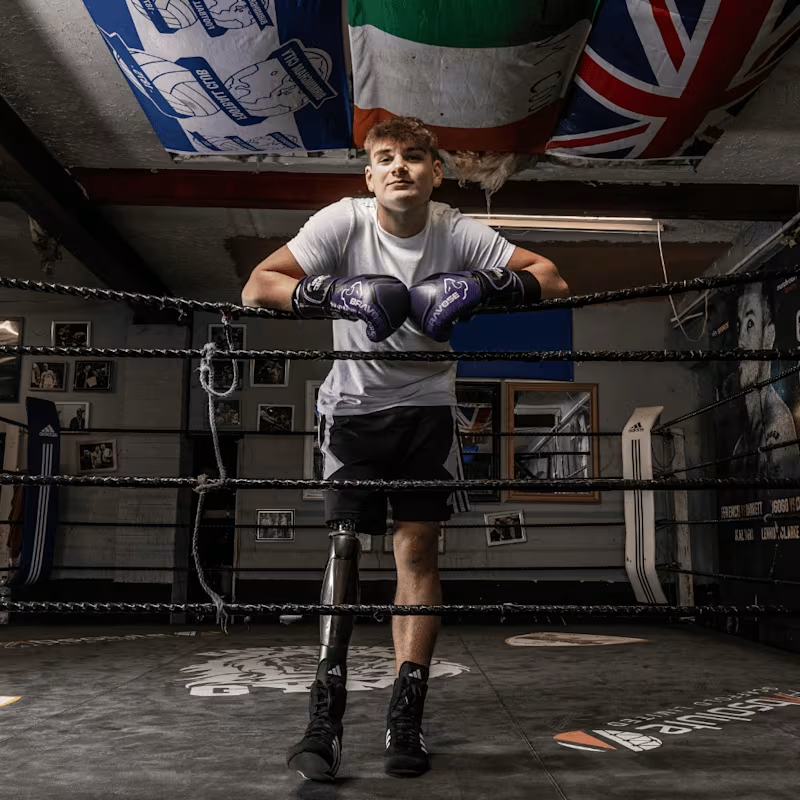
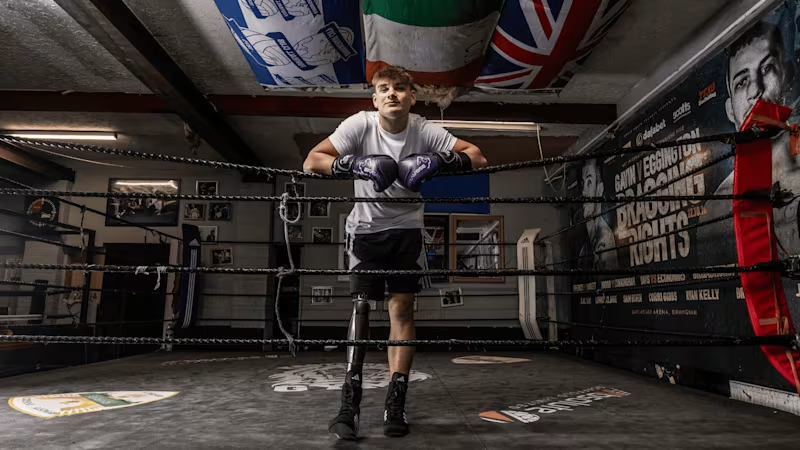
Brooke's Kenevo Story.
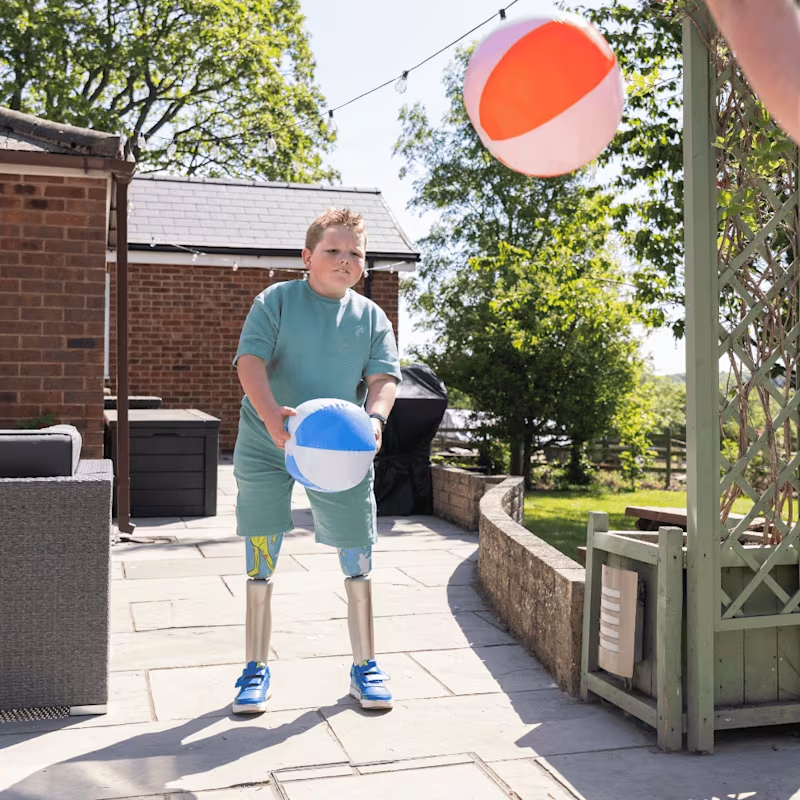
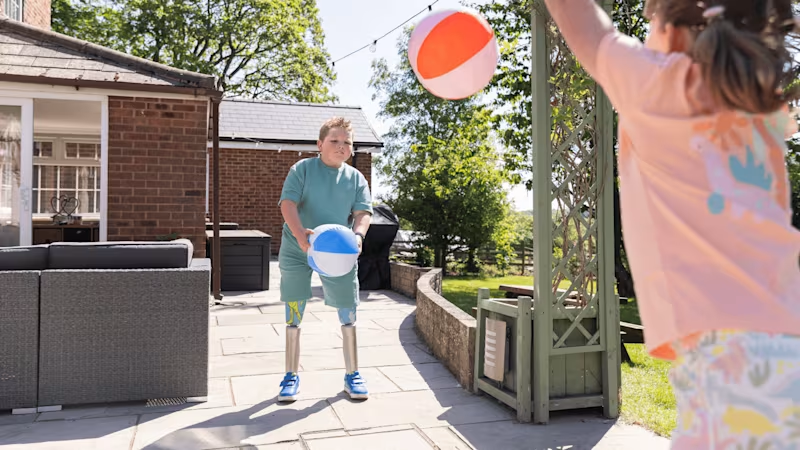
Brooke is a determined 15-year-old from Oldham who has faced remarkable challenges since surviving sepsis at the age of 10, an illness that led to the amputation of both legs and his left arm. Following a gruelling recovery involving months in intensive care and extensive rehabilitation, Brooke’s resilience and dedication to physiotherapy have helped him regain his mobility and confidence, thanks in part to his Kenevo MPKs. Now flourishing at school and preparing for his GCSEs, he’s channelling his experience into advocacy, raising awareness around sepsis and organ donation. With aspirations to become an author and entrepreneur, Brooke continues to inspire those around him with his courage and determination.

How do I Apply for NHS Microprocessor Knee Funding for my Child?
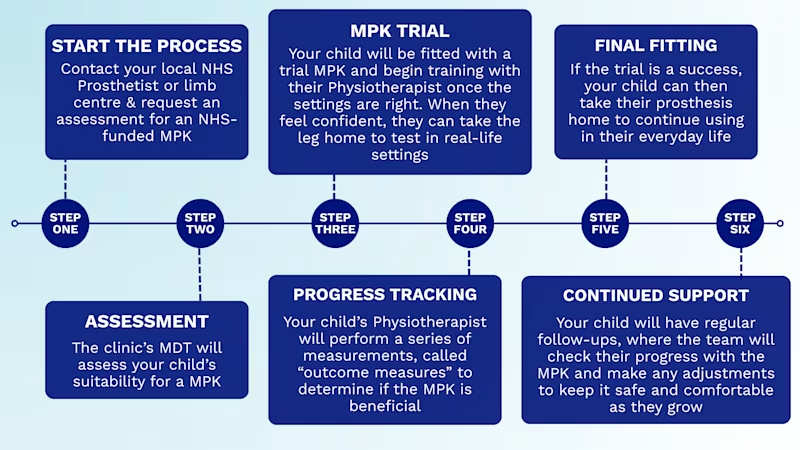
Getting funding for a microprocessor knee prosthesis via the NHS is simple. There are some inclusion criteria that your child will need to meet, which includes having one of the following single or double amputation levels: above-knee, knee disarticulation, hip disarticulation, or hemi-pelvectomy. There are also some more specific requirements, which your child’s clinical team will go through with you.
Whatever stage your child is at in their rehabilitation journey, whether they have only recently had their amputation or are already a prosthesis user, the multidisciplinary team at your prosthetics clinic will be able to assess their suitability. This team usually includes a Consultant in Rehabilitation Medicine, a Prosthetist, a Physiotherapist, and other healthcare professionals. Together, they will assess your child and decide whether a Kenevo (often recommended for children who are new to prosthetics or who have higher mobility needs) or a C-Leg (better suited to children with greater ability and independence) would be the most appropriate option.
Alongside the knee joint, your Prosthetist will also select a suitable prosthetic foot. If your child is a hip disarticulation or hemi-pelvectomy amputee, a hip joint will also be provided. NHS funding covers these components as well as essential accessories that help support everyday use, such as a knee joint protector or a USB charger.
It’s also important to know that NHS support doesn’t end once your child has received their first MPK prosthesis. If they are already using a microprocessor knee, funding is available for replacement products once the warranty period has ended, or sooner if their clinical needs change. This ensures your child always has access to safe, reliable technology that supports their mobility, confidence, and independence as they grow.
Which MPK is right for my child?
Choosing the right microprocessor knee for your child can feel overwhelming, especially when faced with lots of technical terms and detailed information. To make things clearer, we’ve put together a simple downloadable guide of the key features and benefits, showing how they relate to everyday life. This will help you see, at a glance, whether your child might be better suited to a Kenevo or a C-Leg. And remember, you won’t have to make this decision alone, your child’s clinical team will guide and support you every step of the way.
1 results out of 1
Helpful Downloads.
Frequently Asked Questions.
Supporting Components for Your MPK.
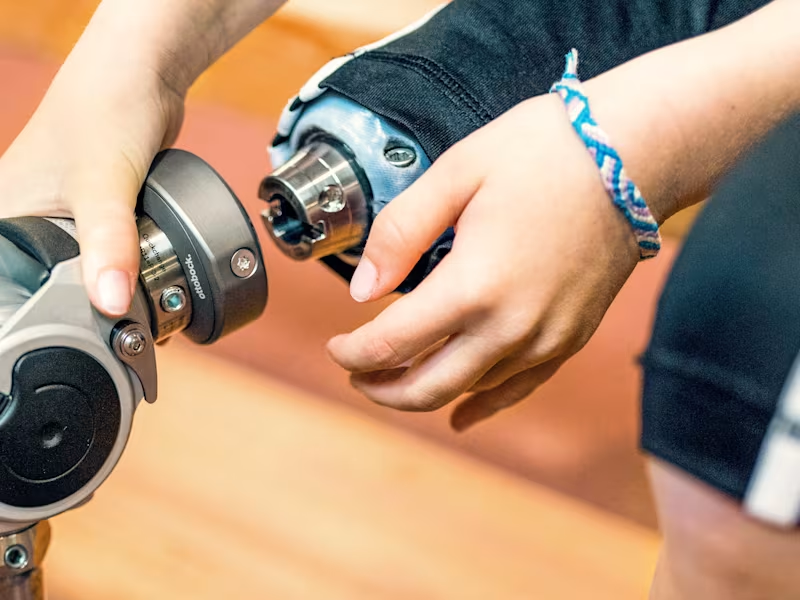
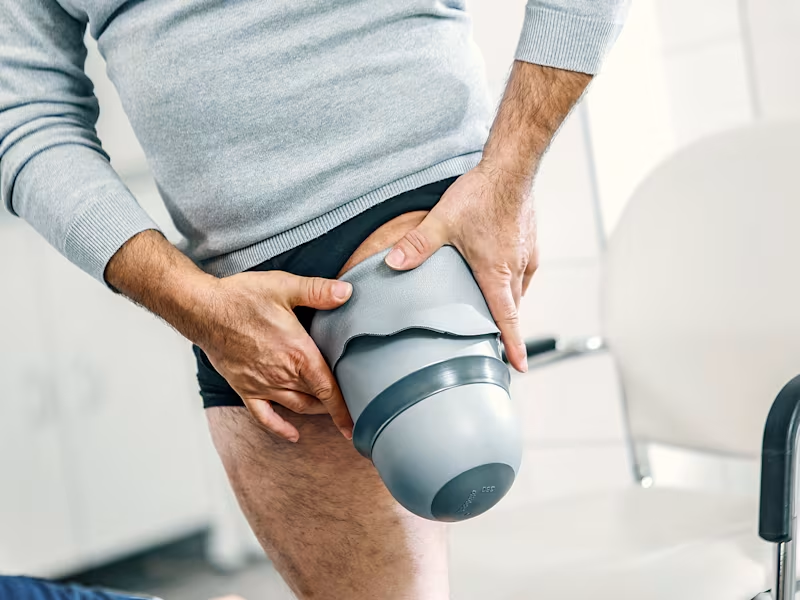
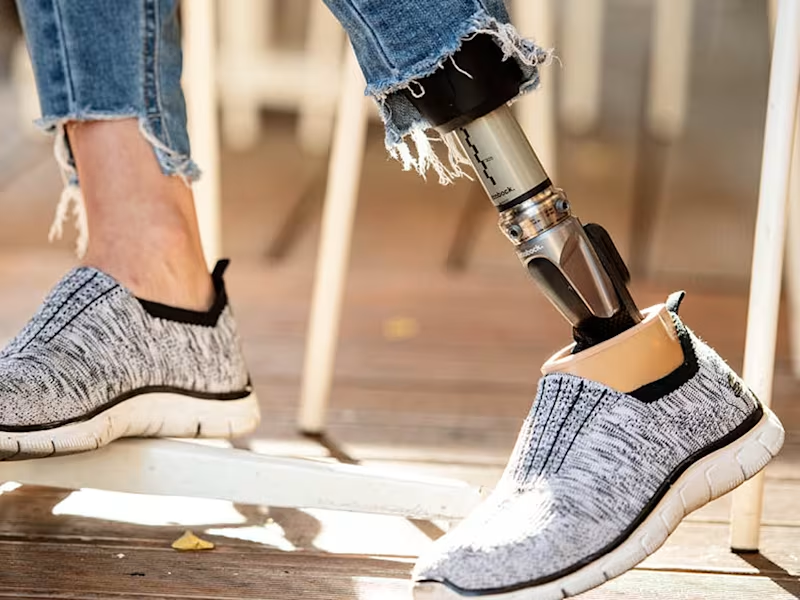
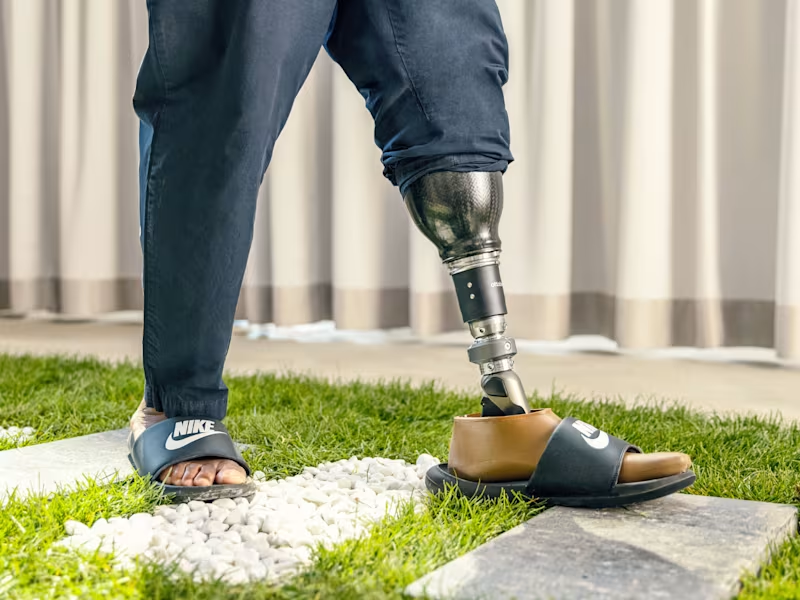
For your MPK to perform at its best, the right foot and socket are essential. These components connect the leg to your MPK, making walking feel more natural and comfortable. Below, you’ll find links to compatible feet, sockets, and other components designed to work with our MPKs.
Want to Know more? Contact us Using the Form Below.
[1] Highsmith, M.J., Kahle, J.T., Miro, R.M., Anderson, R.L., and Kaufman, K.R. (2017) 'Effects of a novel microprocessor-controlled knee, the Ottobock Kenevo, on mobility and safety in people with transfemoral amputation or knee disarticulation'. Journal of Prosthetics and Orthotics, 29(4), pp. 153-161.
[2] Johnson, M., Roberts, K., & Nguyen, L. (2022). Cognitive and functional benefits of microprocessor-controlled prosthetic knees: A systematic review. Journal of NeuroEngineering and Rehabilitation, 19(1), 45.
[3] Tofts, L J., Hamblin, N. (2013). C-Leg improves function and quality of life in an adolescent traumatic trans-femoral amputee - a case study. Prosthetics and Orthotics International, 38(5), 413-417.
[4] Zhao, X., Wang, S., and Li, Y. (2021) 'Effects of microprocessor-controlled knees on mobility in lower-limb amputees: a systematic review and meta analysis', Prosthetics and Orthotics International, 45(2), pp. 128-137.
[5] Toda, Y., Smith, A., and Lee, C. (2025) 'Research outcomes with microprocessor-controlled knees: a longitudinal study', Journal of Rehabilitation Research, 34(2), pp. 85-94.
[6] Hall, M J., Wustrack, R L., Cummings, BS., Welling Jr, R I., Kaleta, M K., Koenig, K D., Laine, J C., Morgan, S J. (2021) 'Innovations in Pediatric Prosthetics', JPOSNA, 3(1).