



Prosthetic hands and arms for children.
When your child has an upper limb difference, life can still be just as full of can-do moments and exciting discoveries — especially when they have a prosthesis to support them. If you’re wondering whether a prosthetic device is right for your child, keep reading to learn how these technologies empower kids and explore some purpose-built options to consider.
When your child has an upper limb difference, life can still be just as full of can-do moments and exciting discoveries — especially when they have a prosthesis to support them. If you’re wondering whether a prosthetic device is right for your child, keep reading to learn how these technologies empower kids and explore some purpose-built options to consider.
With two hands or arms, a lot comes easier for kids.
From playdates, to school projects, to new friendships, kids can’t wait to explore the world with their growing, changing bodies. But for children with an upper limb difference, navigating that two-handed world can come with some unique challenges — including many where kids can benefit from the support of a prosthesis.
Today, prosthetists can offer many different specialized hands and arms designed just for kids and their unique mobility needs. Here are a few key reasons why you may want to consider one of these devices for your child, and why starting early can often deliver the biggest developmental benefits.
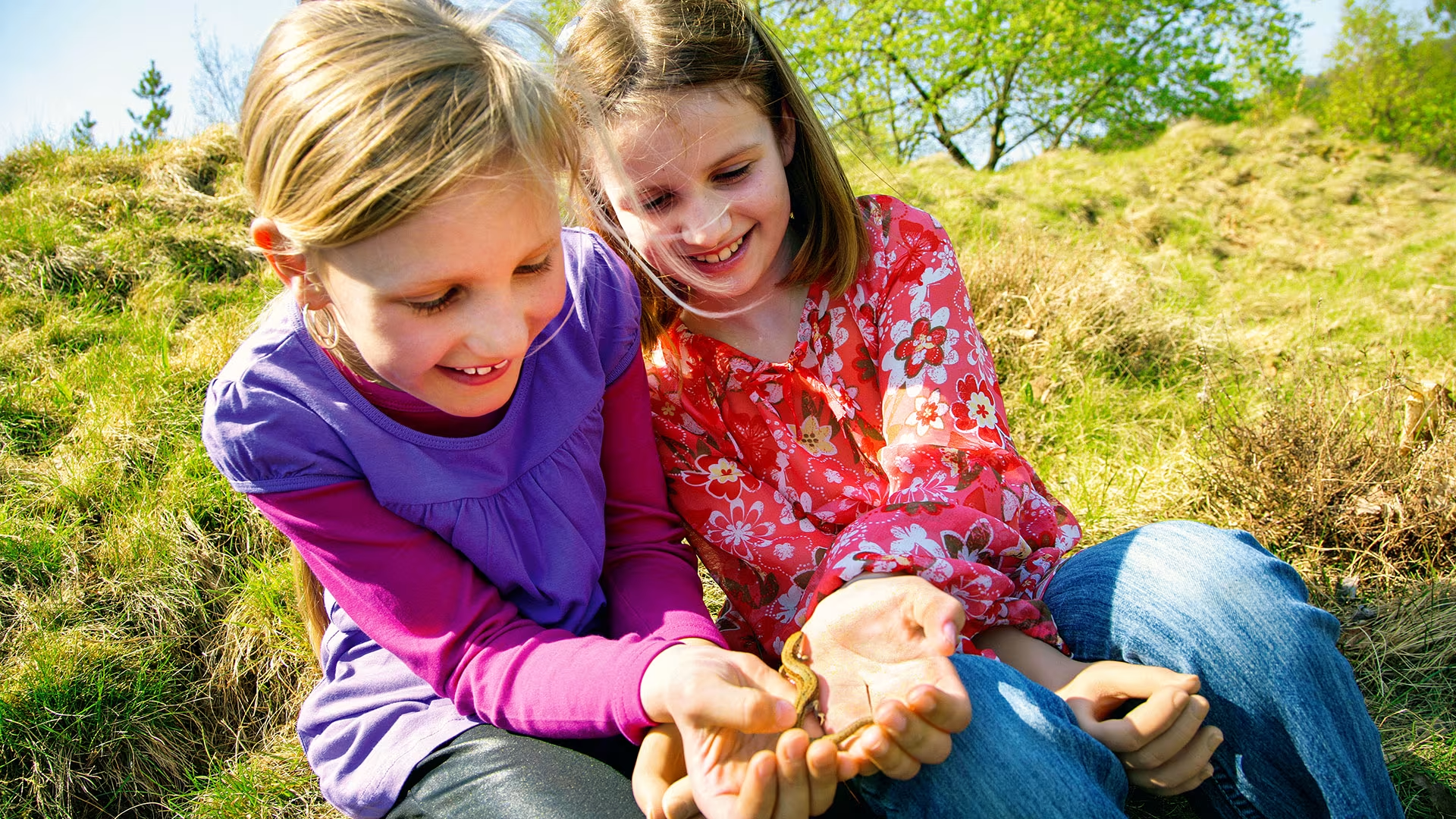
They’ll have even more fun exploring their world
By expanding their ability to grasp and control objects, a prosthesis opens a new world of ways your child can engage with toys, nature, other children, and more.
By expanding their ability to grasp and control objects, a prosthesis opens a new world of ways your child can engage with toys, nature, other children, and more.

They can build important two-handed skills
The earlier your child starts using a prosthesis, the sooner it can help them master activities using both of their limbs — from getting dressed, to school tasks, to giving big hugs.
The earlier your child starts using a prosthesis, the sooner it can help them master activities using both of their limbs — from getting dressed, to school tasks, to giving big hugs.
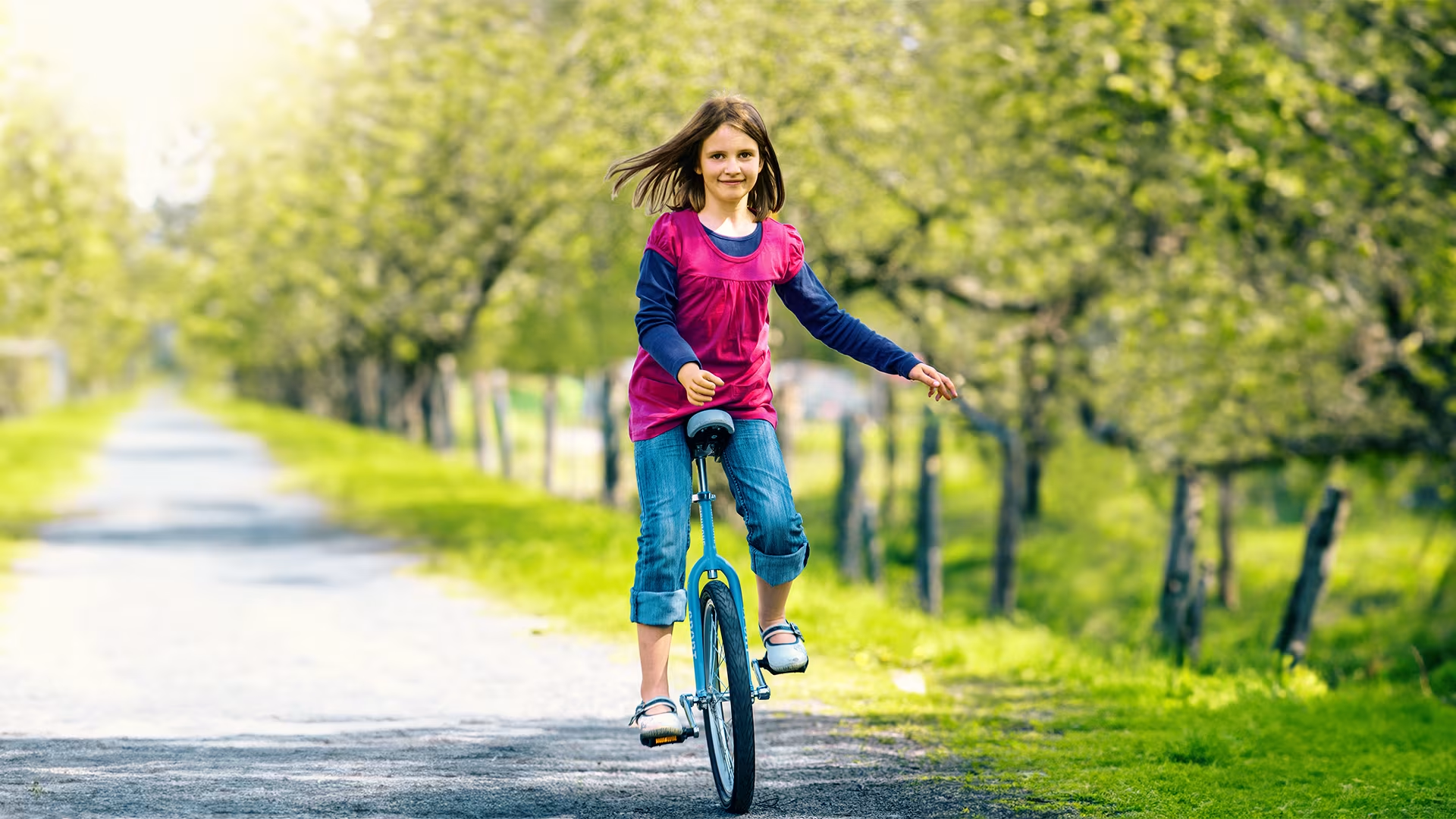
They can develop good posture and balance
Support on both sides can help your child stand and move as naturally as possible. It can also reduce the need for compensating movements that strain the opposite side of their body.
Support on both sides can help your child stand and move as naturally as possible. It can also reduce the need for compensating movements that strain the opposite side of their body.
The earlier they start, the bigger the benefits can be.
Physically, mentally, and socially, kids are building skills and developing habits that can last a lifetime. The right prosthetic hand or arm can be a crucial resource in that process, helping them develop both healthy movements and a strong, positive body image.
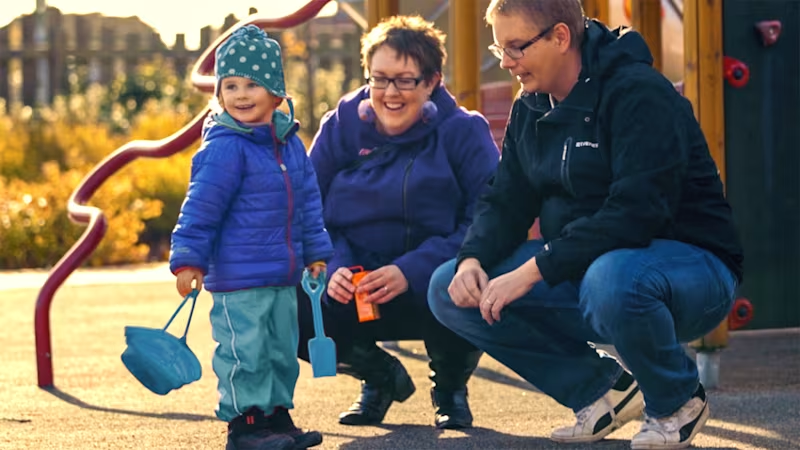
Every child is different, so it’s important to talk to a prosthetist about the right time for your little one to try a prosthetic device. But in many cases, kids can benefit from learning a prosthesis as early as 18 months.
These proven devices are built specially for kids.
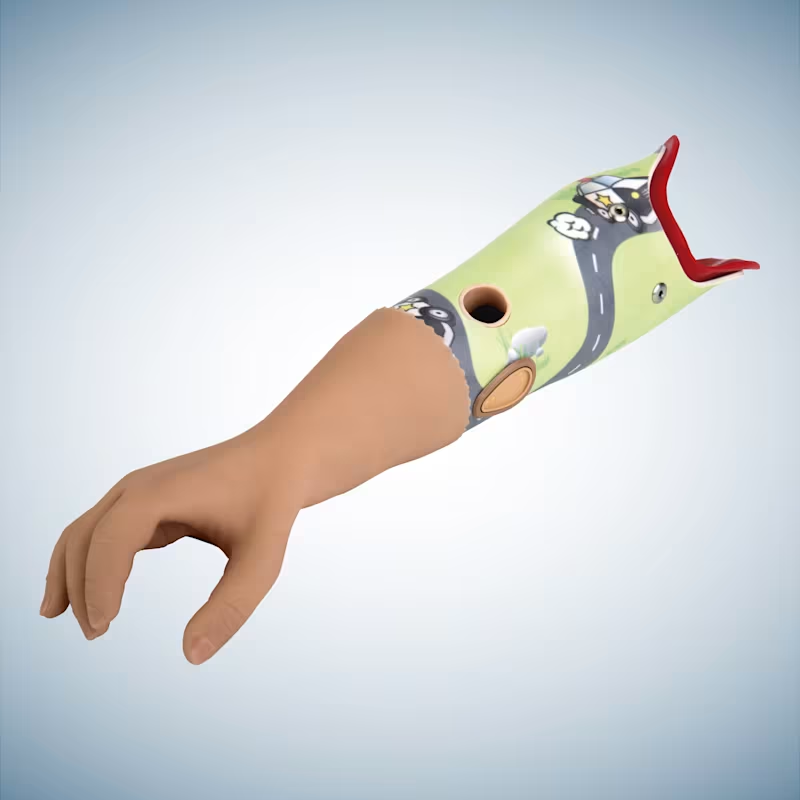
Whether they need a full prosthetic arm or just a prosthetic hand, your child deserves a device that’s built for both their boundless energy and their curious minds — including all the ways they’re learning to feel comfortable and confident in themselves.
Here are a few to kid-tested options to consider: Prostheses designed to help children connect with their world in every way they want to.
Electric hand 2000 and MyolinoWrist 2000
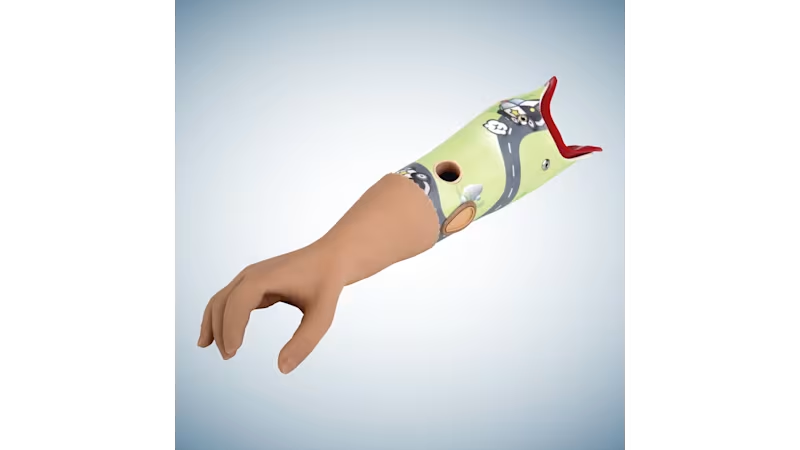
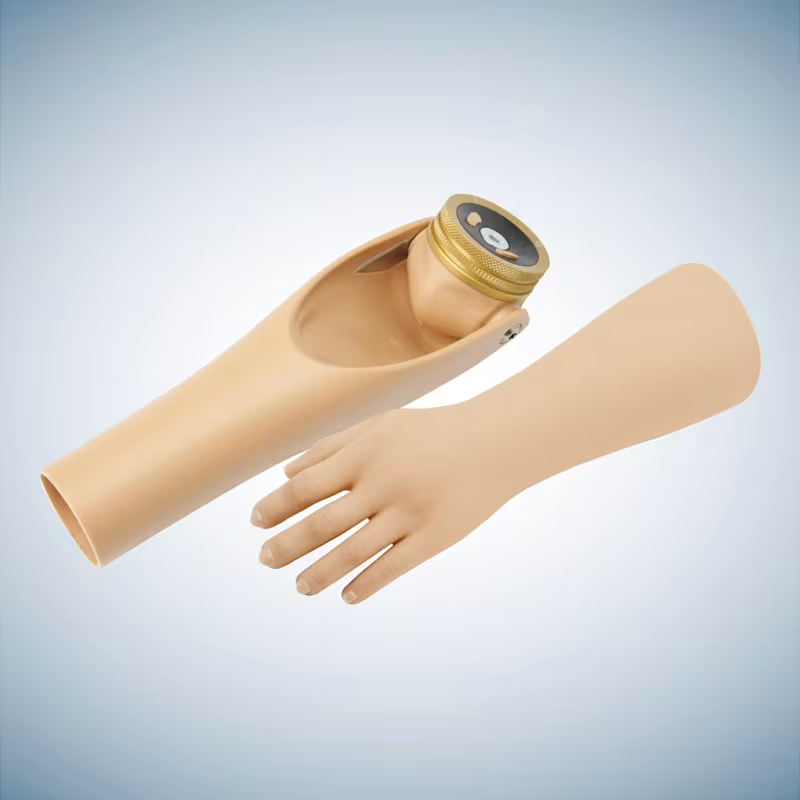
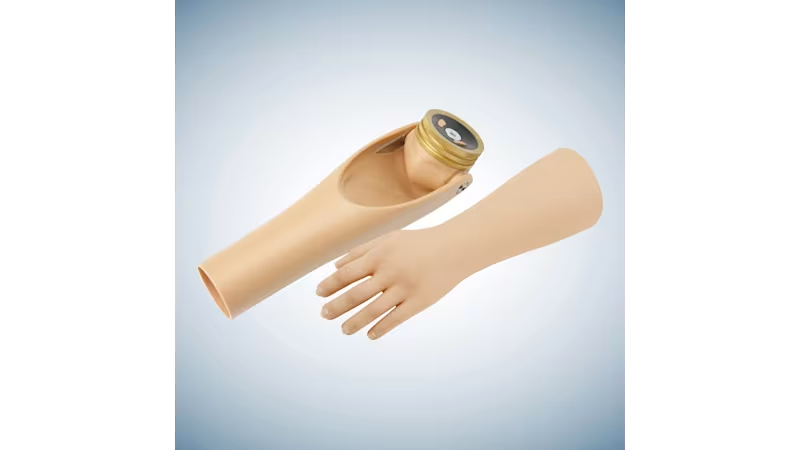
Lightweight and designed to give children a clear view of every task, Electric hand 2000 is a great choice for kids learning to master daily activities with minimal compensating movements. It pairs perfectly with the MyolinoWrist 2000, which your prosthetist can customize in multiple ways that help children use their hand as comfortably and naturally as possible.
What to know about insurance, health systems, and prosthetic devices.
Just like with adult prostheses, financial coverage can play a big role in your child’s prosthesis options. It's important to know how this coverage can change based on your location, insurance plan, product needs, and other factors.
Denise loves to compete
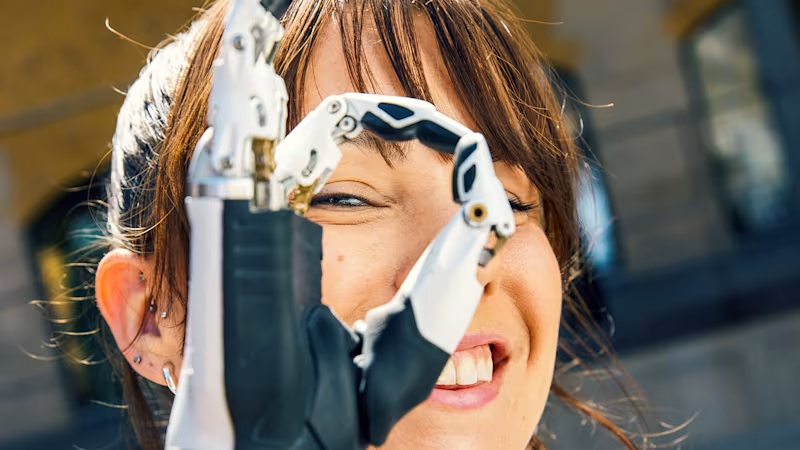
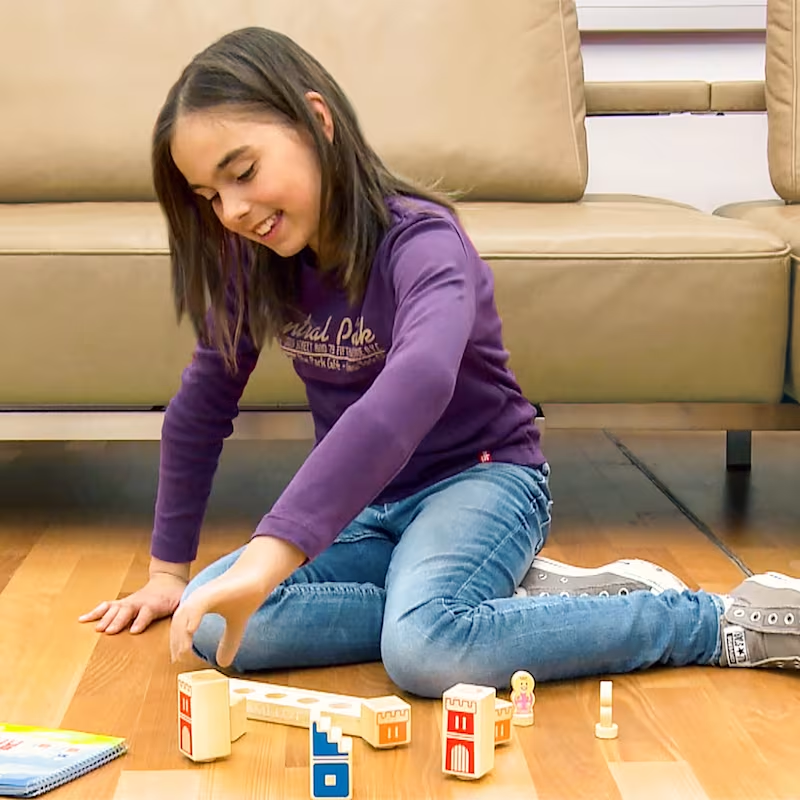
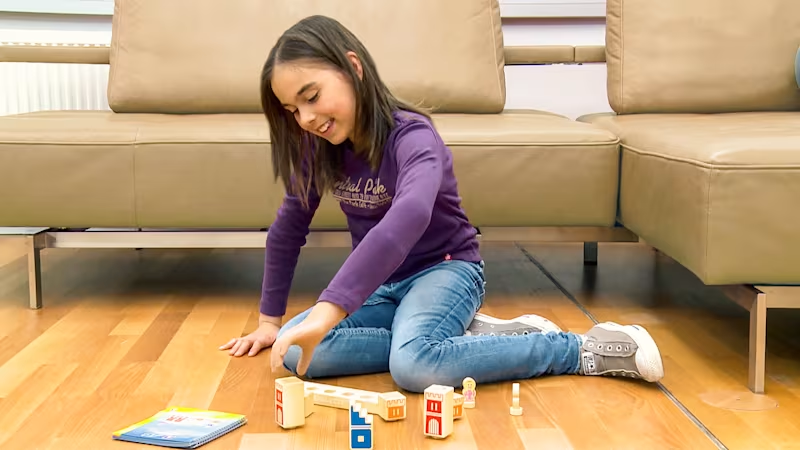
Born with a difference in her hand and forearm, Denise already loves using her different prosthetic hands throughout the day. She enjoys all sorts of childhood activities, from building towers of blocks to taking on new sports challenges with her friends.
For her, early mobility care was key: She started using a passive prosthesis for basic support at just 18 months, followed by a powered device at four to help her continue developing fine motor movements. It’s already helped her devices become a normal, natural part of her world and identity — for her, her family, and her friends.
We’re here to help you find the right options for your child.
Submit the form below if you’d like to learn more about recommended prosthesis combinations, have questions about reimbursement, or would like to connect with a prosthetics professional who can evaluate your specific situation.