
Cerebral Palsy: An Overview
Living with cerebral palsy
What is Cerebral Palsy?
Cerebral Palsy (CP) is a group of movement disorders that appear in early childhood, caused by a brain injury that develops before, during, or soon after birth. The symptoms of CP can vary greatly in each child but mainly affect mobility. For example, some children may find walking difficult, affecting their daily life. Therefore, it is important to support motor development as early as possible with mobility aids. Read on to find out how CP can affect children and how you can support your child's development in a targeted manner.
What are the causes of Cerebral Palsy?
Finding out the exact cause behind CP in an individual child or determining the risk factors that may have played a role is often challenging for doctors. It is often not possible to determine what caused Cerebral Palsy, and there may have been several factors involved.
The causes of Cerebral Palsy in children are very diverse. Doctors usually classify the causes according to the time at which children acquire the brain injury:
Before birth (prenatal): more than 50 percent of children are affected during pregnancy, usually as a result of infection or lack of oxygen, for example when a blood clot (thrombosis) forms in a blood vessel in the brain and obstructs blood flow.
During birth (perinatal): for example as a result of lack of oxygen during birth due to complications.
After birth (postnatal): this can occur due to an infection such as meningitis
In addition, there are a number of factors that may increase the risk of developing Cerebral Palsy in children. Some of these factors are:
Premature birth: Children born before 32 weeks are more likely to be affected by Cerebral Palsy.
Birth complications
A birth weight that is too high or too low
Maternal obesity during pregnancy
Infectious diseases such as toxoplasmosis or rubella, or those caused by cytomegalovirus or herpes simplex virus before or after birth
How will Cerebral Palsy affect my child's development?
Depending on the severity of the resulting brain injury, different symptoms of cerebral palsy may appear. As Cerebral Palsy is a group of movement disorders, it mostly affects motor skills or mobility. In addition, there may be other accompanying symptoms such as pain or cognitive impairments. The symptoms of each child depend on the area of the brain that is affected, so not every child will experience the same symptoms or the same severity. The following signs of Cerebral Palsy occur alone or in combination.


Based on the individual symptoms, doctors can distinguish between different types or classifications of Cerebral Palsy. The following overview shows the form of Cerebral Palsy behind the medical terms.
What is Cerebral Palsy?
Cerebral Palsy (CP) is defined as an injury to the brain that occurs before, during, or shortly after birth due to a variety of causes. It is usually accompanied by a number of movements and postural dysfunctions, which often limit mobility. In addition to these motor dysfunctions, other impairments may occur, such as disorders that affect communication or behaviour.


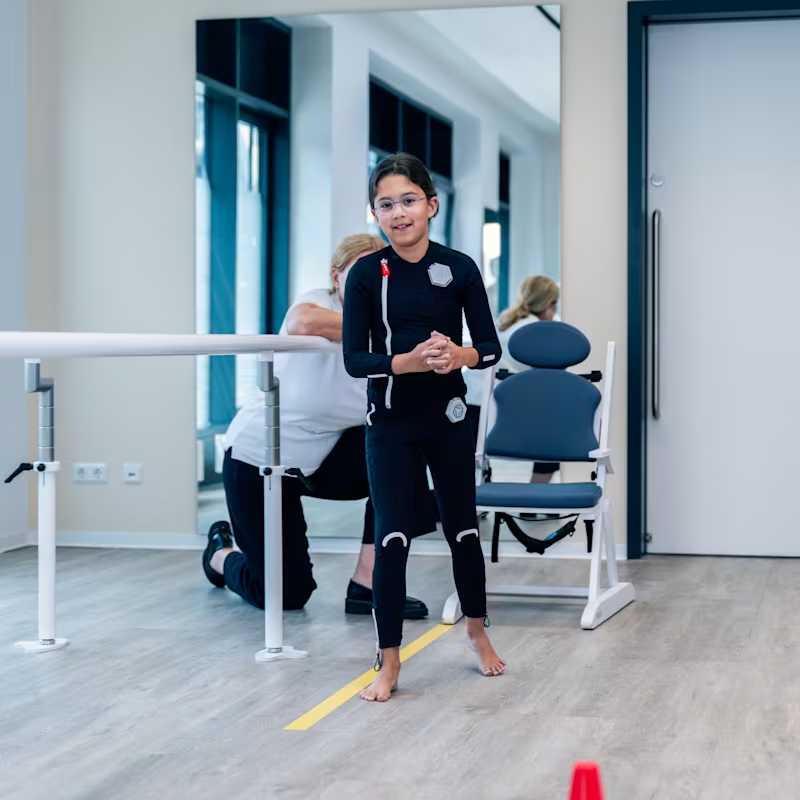
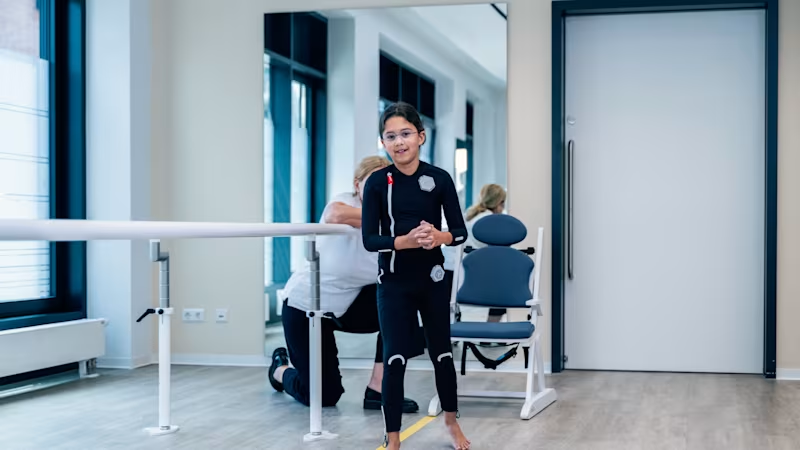
Types & Symptoms.
Spastic CP (75% of cases) – Stiff muscles, exaggerated reflexes.
Hemiplegia (32% of cases) – One side of the body is affected, with the arm more impacted than the leg.
Diplegia (40% of cases) – Both legs are more affected than the arms.
Tetraplegia (2% of cases) – All limbs are impacted, often with significant developmental delays.
Bilateral Hemiplegia & Triplegia – Varying paralysis affecting multiple limbs.
Common complications include stiff joints, difficulty in sitting or walking, speech delays, and posture abnormalities.
What does the GMFCS level say about my child's mobility?
Based on the results of an examination of motor skills and mobility in everyday life, doctors can diagnose the level of severity of cerebral palsy. The “Gross Motor Function Classification System” (GMFCS) is often used for this purpose – not only by doctors but also by members of other professional groups, such as physiotherapists and occupational therapists. In many cases, you as parents are actively involved in this process: Questionnaires are used to include your perspective, which makes it easier to identify everyday problems and observations. The GMFCS consists of five levels or stages, into which mildly to severely affected children with cerebral palsy can be classified.
Determining the GMFCS level is about recording your child's current level of mobility – in other words, which movements are possible for your child in everyday life and where he or she encounters obstacles or difficulties. Each level refers to the movements that are possible. Since the ability to move depends on the age of your child, the GMFCS also distinguishes between different age levels (from 0–2, 2–4, 4–6, 6–12, and 12–18 years). Below you can find a general summary across all ages.
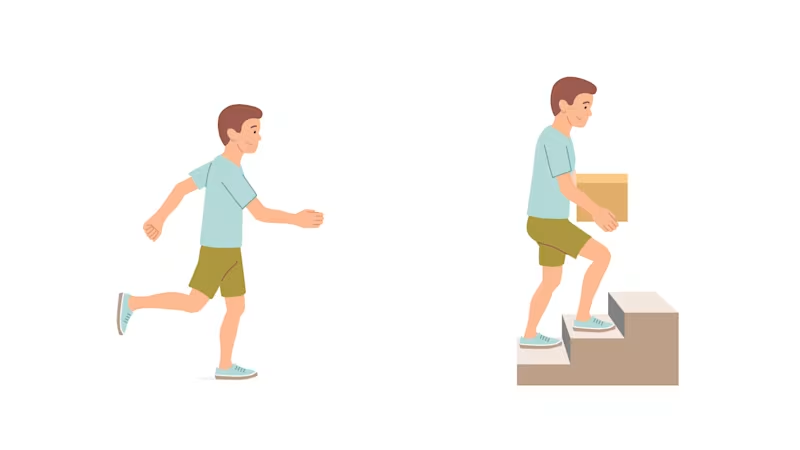
GMFCS 1
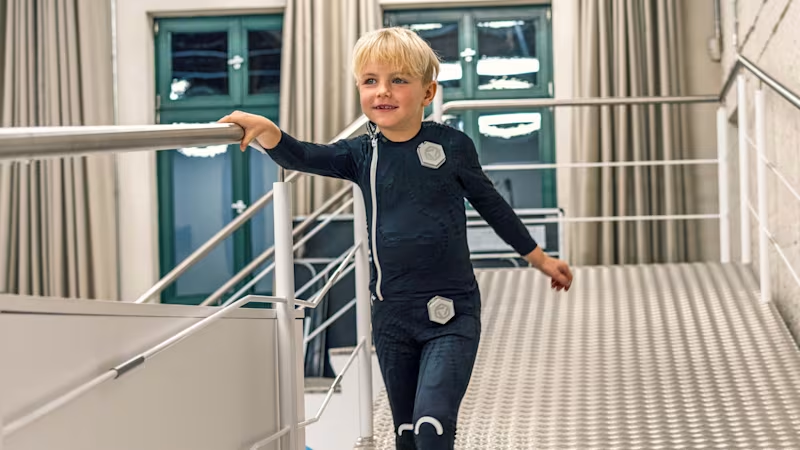
Your child can move around independently (with or without an orthosis, such as an arm or leg splint). Mobility is hardly restricted, and depending on age, activities such as walking, climbing stairs without using hands for support, running, and jumping are possible. Participating in sports is also possible in later childhood (6-12 years). At this age, speed, coordination, or balance restrictions may become apparent.


Improving the mobility of children with Cerebral Palsy.
Treatment of Cerebral Palsy will depend on your child's symptoms and how they affect their daily life. The goal of physical therapy is to improve motor skills, and regular appointments are used to keep track of how mobile your child is and how they are developing. This will help health professionals to provide the best possible support and treatment plan for your child. Preventive measures also play a major role to prevent muscle, shortening, and contractures as well as malpositions in the first place.
Many different specialists will work together to promote the mobility of your child with Cerebral Palsy. Planning the necessary therapeutic measures is, however, mainly the responsibility of the treating doctor. For movement therapy, your child is primarily cared for by Physiotherapists, Occupational Therapists, and Orthotists. Speech and Language Therapists may also be part of the treatment team to provide support in achieving the best outcomes and quality of life for your child and your family.
What does Cerebral Palsy mean for your child's future mobility?
Many parents of children with Cerebral Palsy often feel uncertain about their child's future. Questions about how the physical impairments will affect development, and therefore the prospect of independence and active life, are often the primary focus. Although CP cannot be cured, maintaining and improving mobility are the goals of treatment, and specific support can improve mobility. More than half of the children with Cerebral Palsy are able to walk independently, with or without the use of an orthotic device.

Your child’s independence.
In addition, the clinical presentation of Cerebral Palsy is widely variable depending on the extent of the injury to your child's brain. As a result, some children only have very slight limitations, and having an independent life is indeed possible. If the CP is severe, it is possible that those affected will be dependent on support for the rest of their lives. However, even in these cases, there are many mobility aids to promote and shape your child's independence and participation.

Navigating your Teenage years with CP.
Lot’s of things are changing. Including how you move! Your teenage years are a time of constant change. To your body, to what interests you and what’s important to you. You’re experiencing new feelings, looking for new kinds of friends, and starting a new part of your life.
But that can be tough when you have Cerebral Palsy, as it can have a big impact on every part of your body, and especially on how your body moves. Being able to move freely is more important than ever when you want to go new places, try new hobbies, and do lots more on your own.
Teenage years bring physical, emotional, and social challenges. For those with CP, mobility issues can affect independence, self-confidence, and participation in activities.
Key Challenges & Adaptations
Increased Spasticity & Joint Stiffness: Growth spurts may worsen muscle tightness.
Gait Abnormalities: Walking patterns may change, requiring updated orthotics or mobility aids.
Pain & Fatigue: Overuse of muscles can lead to chronic pain and exhaustion.
Social Inclusion: Teens with CP may feel different but can benefit from peer support and self-advocacy.
Maintaining Mobility & Independence
Physical & Occupational Therapy: Adjusting treatments to accommodate growth and new physical challenges.
Assistive Devices: Custom wheelchairs, orthotics, and adaptive technology for greater independence.
Mental Health Support: Addressing self-esteem, anxiety, and social concerns through counselling and peer groups.
Encouraging independence and confidence is key to helping teens transition into adulthood successfully.
Find out what to expect - from a teen just like you!
Grown ups and doctors have a lot of the answers you need when you have CP. But while they want what’s best for you, sometimes it just helps to hear it from someone your age. Someone who’s going through the same experiences and changes as you. So to share what it’s like being a teen with CP, we asked a real expert. Let’s meet her!
Meet Moya-May!
Moya-May is 14 years old and she’s from Dublin, Ireland. She loves music, musical theatre, and writing poetry. But most of all she loves making people laugh.
Like a lot of kids with CP, her condition has a big impact on the way her body moves. Let’s meet her and find out more!


How to take on life’s new challenges with CP.
Moya-May has a real passion for helping others with disabilities like her. She loves to share what she’s learned about growing up with CP, so we asked her for some real-life advice in this special video series.
Being a teen with CP: Learning as you grow.
Being a teen can be tough for anyone. But it’s even more challenging when you’re living with a disability like CP. You want to do more on your own. And you want to feel accepted as you are. In this video, Moya-May talks about how important that is for her too. CP doesn’t have to make you feel different, she says. It’s okay to be who you are and to share how you’re feeling as your body changes and grows.
What to expect and how to get ready.
Everyone’s teen years are different, but there are still a lot of things that just about everyone goes through. Like wanting to know that people love and understand you. Moya-May says that starts with being kind and patient when people ask questions about you and your CP. She loves to share how things are for her. It helps everyone understand, accept, and care for each other.

The Future with cerebral palsy
Although cerebral palsy is lifelong, many individuals achieve independence and lead fulfilling lives with the right support. Early interventions, adaptive strategies, and a strong support network can help people with cerebral palsy thrive at every stage of life.
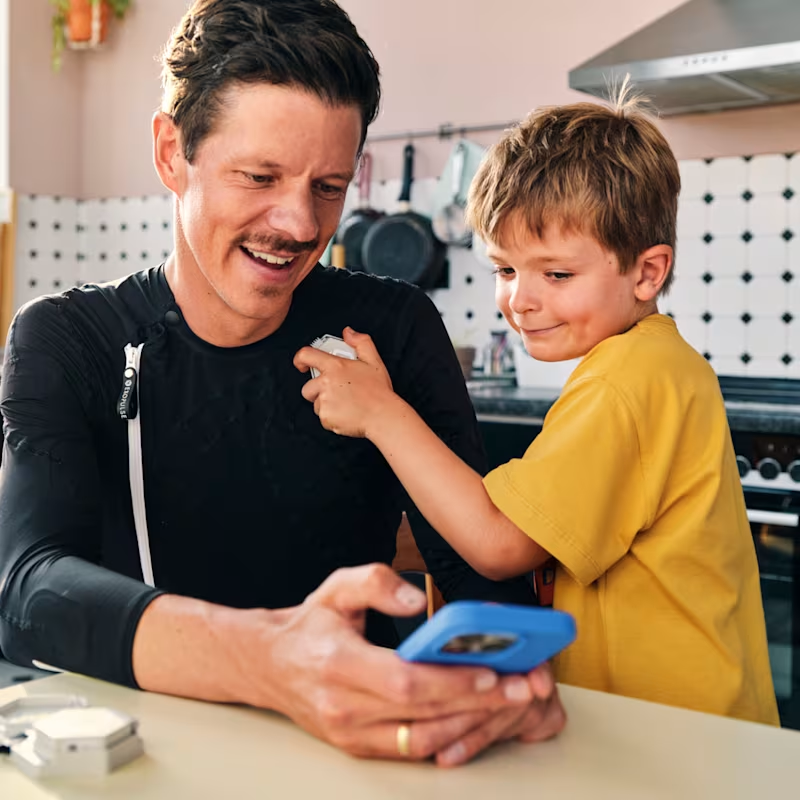
Treatment Options for Cerebral Palsy.
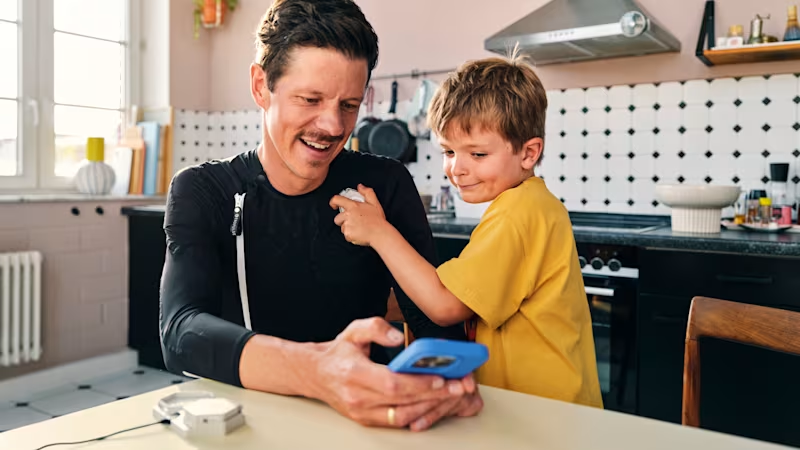
While there is no cure, various treatments can help manage symptoms and improve quality of life. These include physiotherapy, occupational therapy, speech therapy, medications, assistive devices, and, in some cases, surgery. Early intervention and a personalised treatment plan are key to addressing the unique needs of each individual. Explore our site to learn more about CP, available treatment options, and resources for support and care.
Product Solutions, Orthotic aids, and Mobility Aids.

Functional Electrical Stimulation
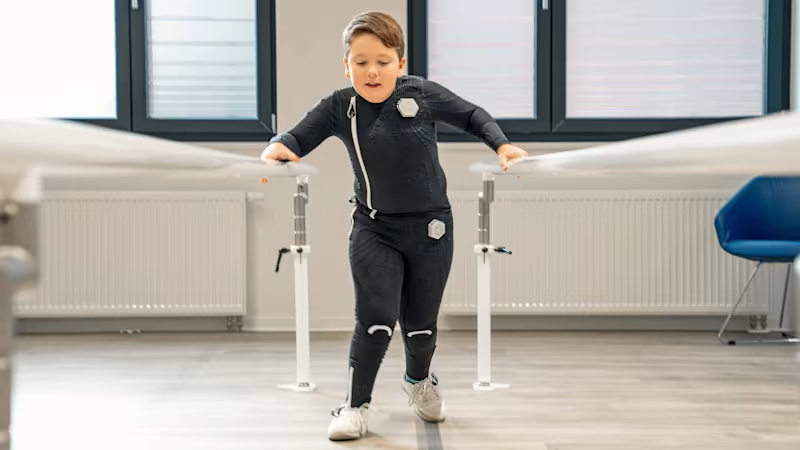
Functional Electrical Stimulation (FES) systems are designed to lift your foot as you walk, improving your gait pattern, and make it smoother and safer.





Where to find support.
Your doctor is your first point of contact. Later, allied health professionals such as Physiotherapists, Orthotists, Occupational Therapists, and Speech and Language Therapists will be available to assist you if you need advice.
In addition to discussing cerebral palsy within your own family and circle of friends, networking with others in a similar situation can also be helpful.
Here are some organisations that can provide more information and support for Cerebral Palsy:
Scope - Advice, and support for young people
Action Cerebral Palsy - Raising awareness for children and young people with Cerebral Palsy
Brainwave - Helping children with disabilities reach their potential
Brain & Spine Foundation - Support for those affected by neurological problems