


Put on possible: The exopulse suit for spasticity.
See if it’s right for you or a loved one.
Notification: The information contained on this webpage is intended for an audience outside the United States. Please note that the products described herein are not FDA-approved.
Effective relief with the touch of a button.
The exopulse suit is an innovative, wearable way to manage the symptoms of spasticity, a debilitating condition that’s common in people affected by cerebral palsy (CP), multiple sclerosis (MS), stroke, and other neurological conditions.
It uses a trusted treatment called neuromodulation to relieve spasticity and related pain almost anywhere users may be experiencing them, and now, with its latest new design, the suit delivers relief with more comfort and in a more user-friendly way.
Get quick, sustainable results without the trade-offs.
With the exopulse suit, there’s finally a way to regularly and consistently manage spasticity between the ups and downs of other treatments, or their side effects. Simply put it on for an hour every other day (or as often as your clinician recommends) and leave inconsistent relief behind you.
Who it’s for
The exopulse suit is designed for people with spasticity: a movement condition that can be related to a number of different neurological conditions and injuries.
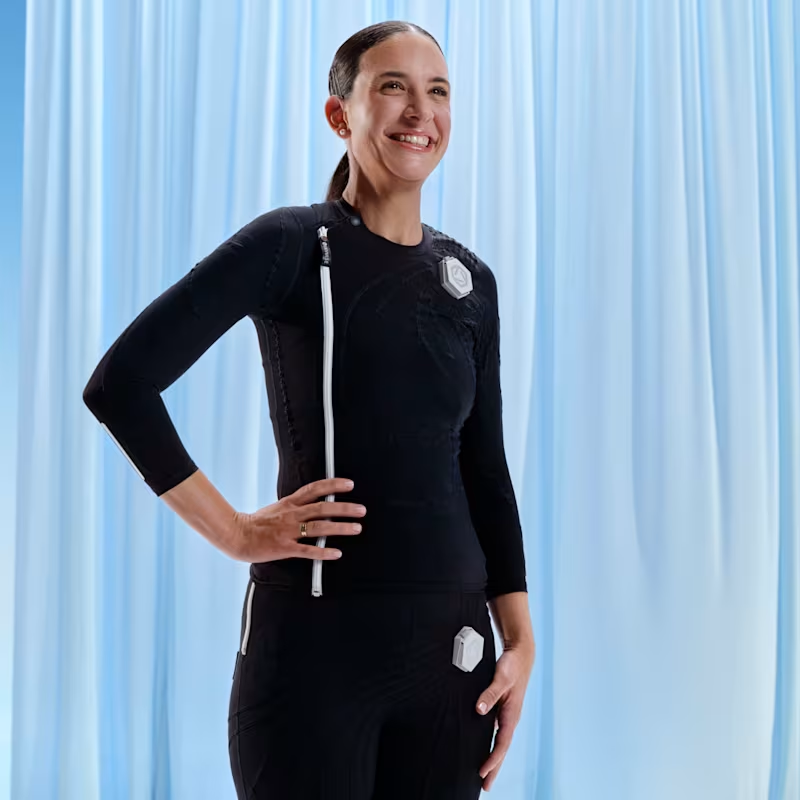

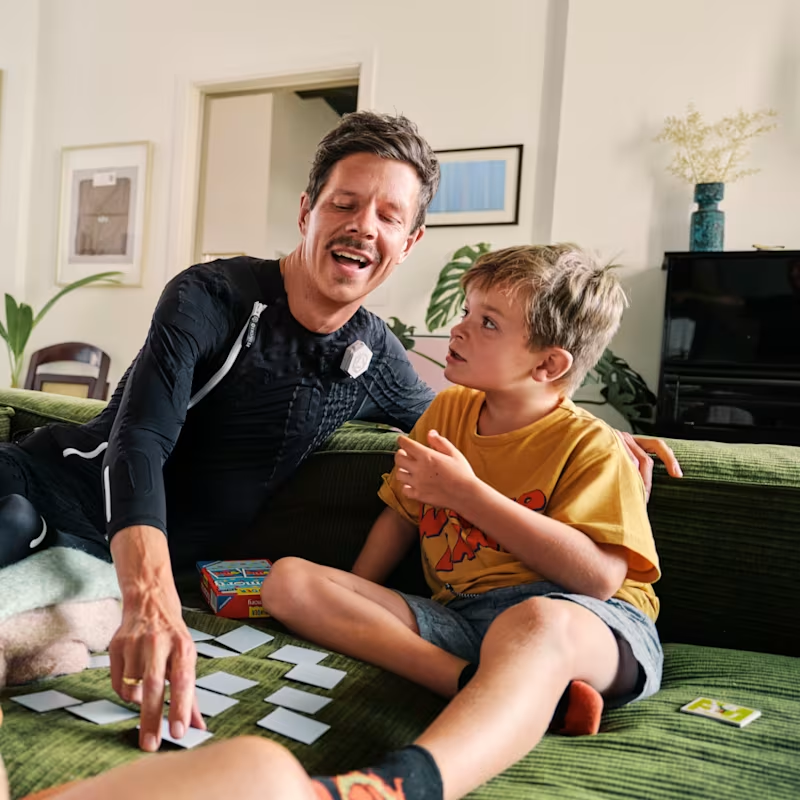


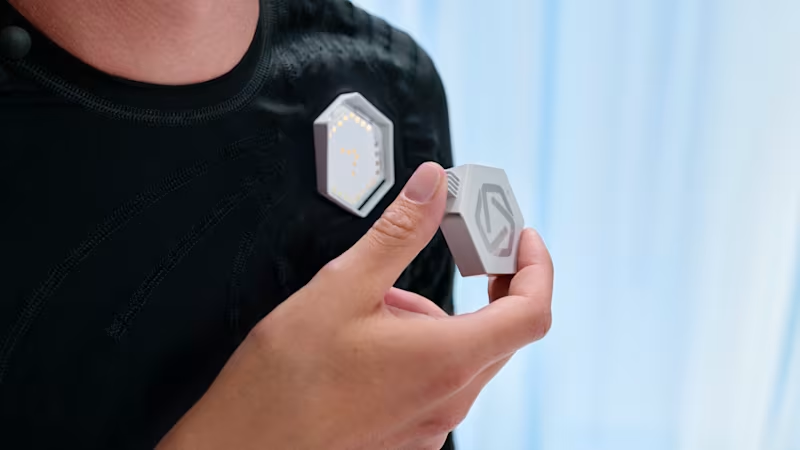
New design, new features & new possibilities.
The latest version of the exopulse suit is purpose-built to provide even more targeted stimulation and an even more comfortable user experience. Here’s a closer look at some of the new updates.
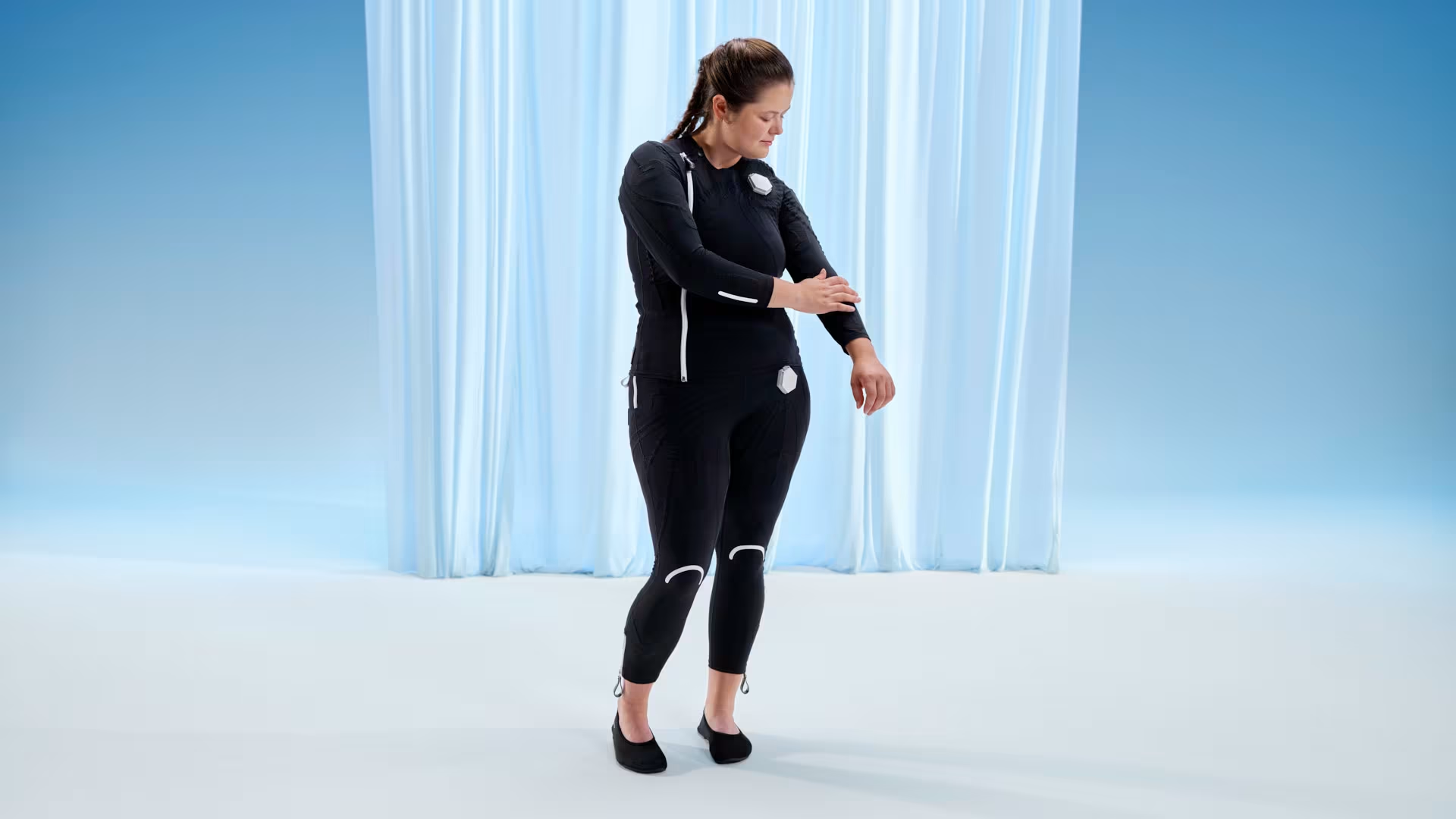
Even more comfort
Both the jacket and trousers are now made from a stretchy single-layer fabric that’s even easier to put on and wear. They also have fewer zippers and have shorter, more comfortable sleeves and trouser legs.
Both the jacket and trousers are now made from a stretchy single-layer fabric that’s even easier to put on and wear. They also have fewer zippers and have shorter, more comfortable sleeves and trouser legs.

Even more precision
The new suit now has an optimised array of 50 enlarged, combined electrodes. This configuration makes it even easier to ensure that every electrode is well positioned, every time.
The new suit now has an optimised array of 50 enlarged, combined electrodes. This configuration makes it even easier to ensure that every electrode is well positioned, every time.

Even more customisation
The suit now has an intuitive user app that enables you to fine-tune the stimulation whenever you need. You can adjust and personalise it with just a couple of taps.
The suit now has an intuitive user app that enables you to fine-tune the stimulation whenever you need. You can adjust and personalise it with just a couple of taps.

Even more user-friendly
The redesigned, Bluetooth-enabled control units make the suit even easier to set up, activate, and adjust, plus, both units are now fully rechargeable too.
The redesigned, Bluetooth-enabled control units make the suit even easier to set up, activate, and adjust, plus, both units are now fully rechargeable too.
Put personalised adjustments at your fingertips.
With its new user app, the latest exopulse suit gives you even more control. It lets you easily adjust stimulation levels and manage your device settings right from your smartphone.
Fine-tune your suit at any time.
Feel like your settings might be a little high today? Need less stimulation as your symptoms improve?
Simply open your app, and you can activate and control the device with ease. The intuitive new user app enables you to make personalised adjustment to the suit’s stimulation.
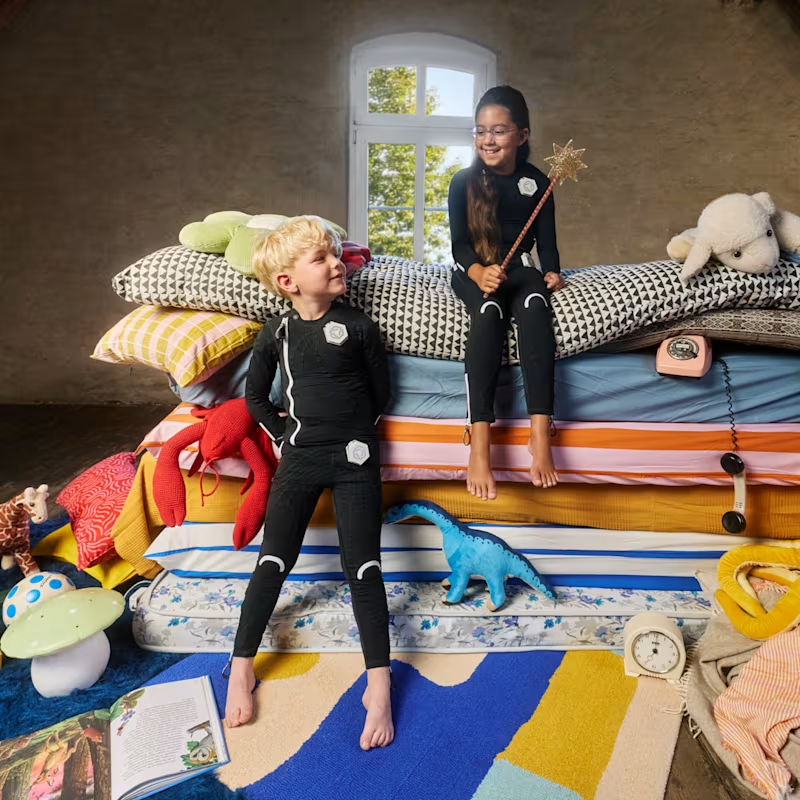
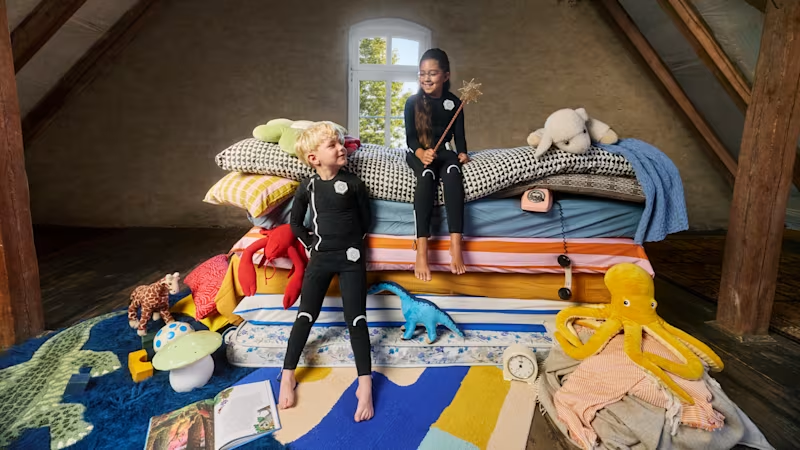
Watch how the suit puts lives back in motion.*
With a simple, non-invasive, drug-free way to manage their spasticity, Ricky, Lena and Jacqueline are rediscovering life’s possibilities.
Downloads.
More important information about the exopulse suit.
Select a topic below to learn more about how the Suit is made, how to use it safely, and where to try it out.
See if the exopulse suit is right for you or your loved one.
Ready to see if the exopulse suit can help relieve your or your loved one’s spasticity? Submit the form below to request more information or to book an assessment with one of our Clinical Partners, and a member of the Ottobock team will be in touch shortly.
* Individual results may vary, and testimonials are not claimed to represent typical results. All testimonials are real users of the exopulse suit, and may not reflect the typical patient's experience, and are not intended to represent or guarantee that anyone will achieve the same or similar results. Every patient has unique experiences and exercise habits, as well as a personalised care plan. Thus, the experiences that we share from other people may not reflect the typical user’s experience. Always consult your doctor before you or a loved one begin using the suit. You or your loved one may not experience any benefit from using the suit.