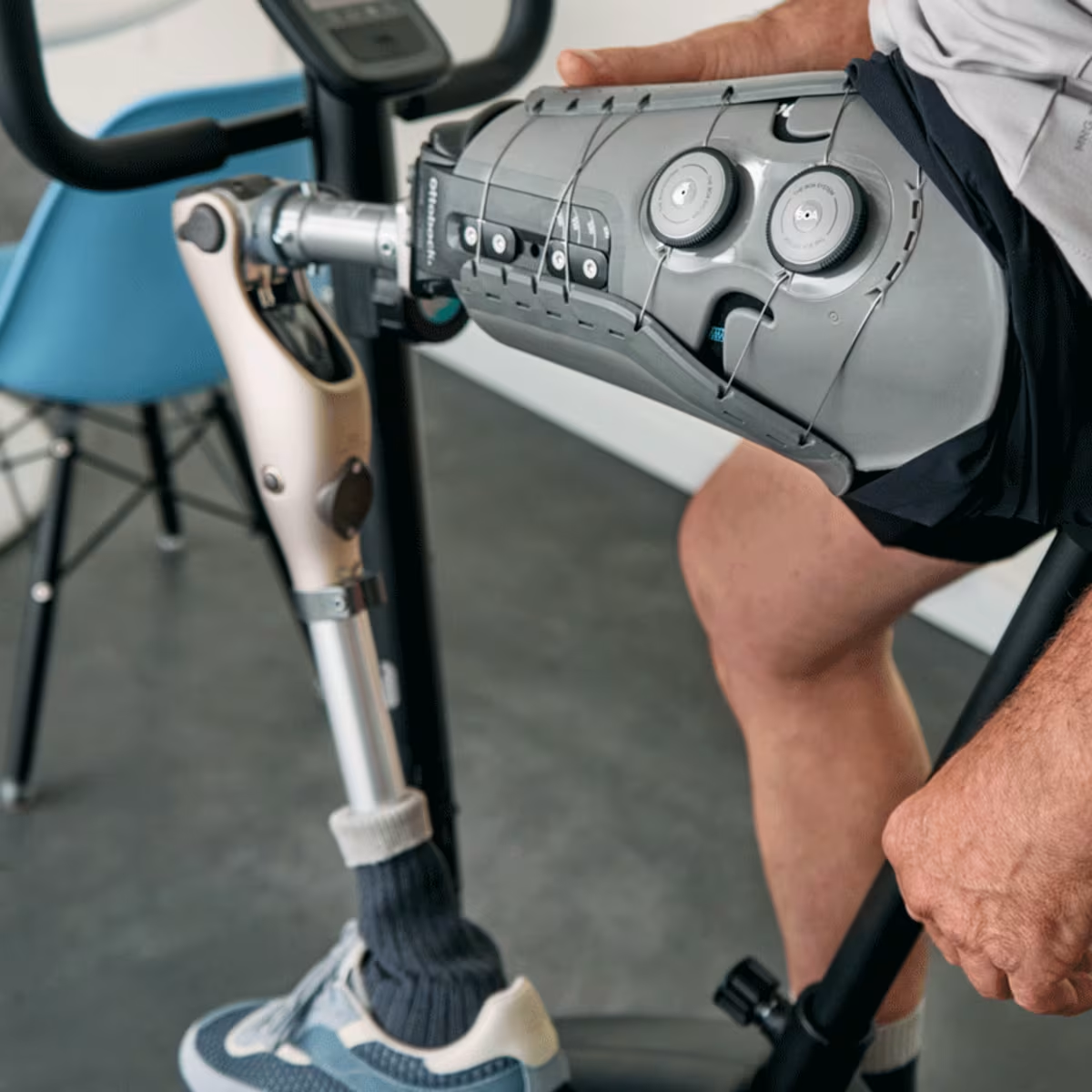
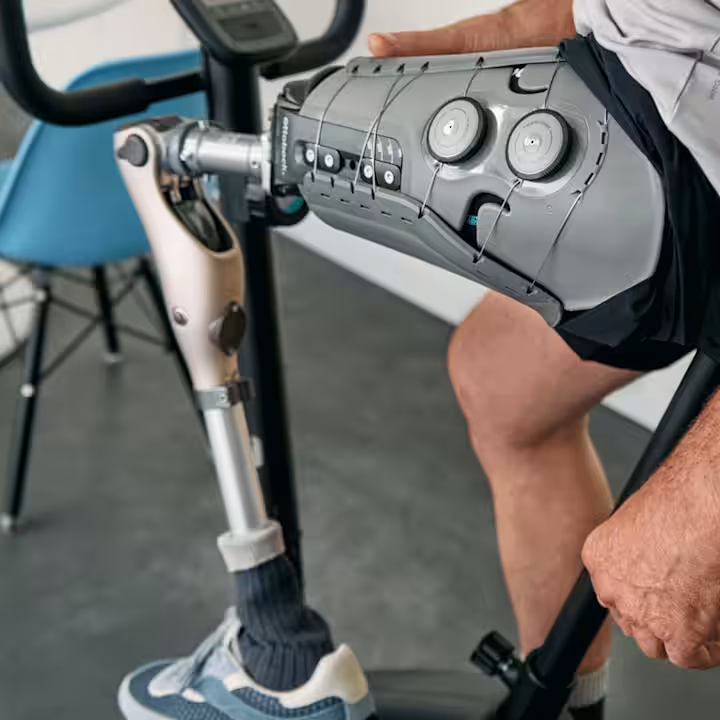
Adjustable Volume Sockets Like Ottobock’s Varos Boast Clinically Meaningful Results for Patients
A well-fitting socket is vital for patient comfort. The socket and liner directly interface with the residual limb, so proper fit can mean the difference between confidently moving through life and experiencing discomfort on a daily basis.
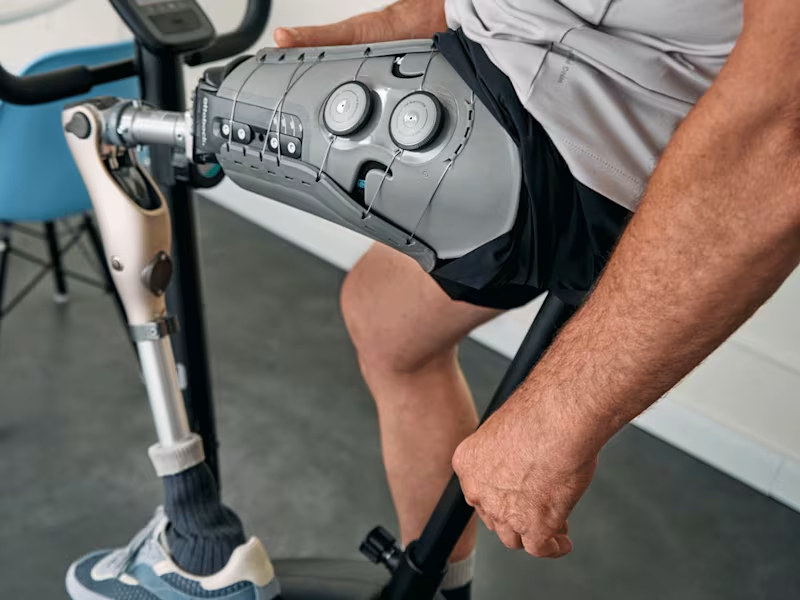
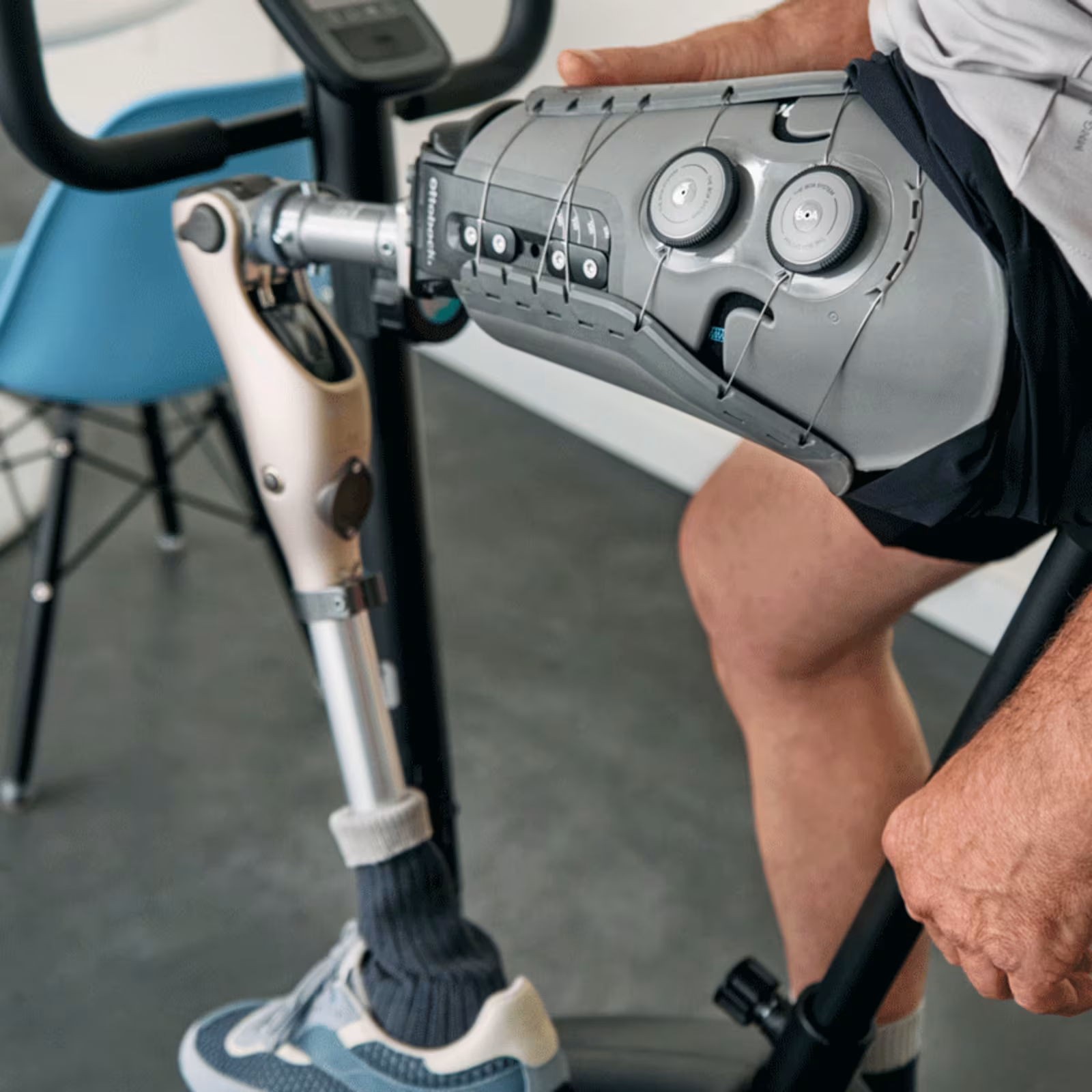
Traditional sockets are fixed and do not accommodate residual limb volume fluctuations. Managing these changes often requires removing the prosthesis and adding socks or additional liners, which can be a lengthy and imprecise process. Adjustable volume sockets (AVS) like the Ottobock Varos allow patients to adjust socket fit on the fly to meet the needs of a dynamic daily life.
Physical Medicine and Rehabilitation Journal (PM&R) recently published a study that evaluates the impact of AVS use on quality of life, comfort, and general patient satisfaction. Conducted by the Hanger Institute for Clinical Research and Education, the study also examined satisfaction with walking ability and prosthetic mobility in a large clinical population.
We examined the results of the study and spoke with Varos user Courtney Fields to get her take on the results (and just how important it is to have control over socket fit).
The Study
Collected over a two-year period across multiple U.S. prosthetic clinics, study data showed clinically meaningful improvements across all outcomes measured.
The primary outcome measured was Socket Comfort Score (SCS). The SCS is an 11-point scale where individuals rate their socket comfort from 0-10 (0 being most uncomfortable and 10 being most comfortable). The sample included 444 patients who completed both pre- and post-assessments after trying AVS.
The positive impact of AVS use was significant and clinically meaningful across all measurements. These sockets are associated with improvements in socket comfort, quality of life, prosthetic mobility, and satisfaction with walking ability.
Ultimately, AVS are a viable alternative to traditional, fixed designs and “highlight the potential for enhanced user comfort and function through individualized fit adjustment.”
The Patient Experience
Fields, an educator and amputee of five years who’s been using the Ottobock Varos for three of those, shares how she first came to discover the comfort AVS can provide:
“I got [Varos] due to the fact that, with carbon fiber sockets, I was bottoming out, meaning the bone of my limb was hitting the bottom of my socket, and it was causing me a lot of pain,” she said. “My prosthetist suggested that I try the Varos socket, which allowed me to suspend my limb, which I loved. And I also loved the fact that I was able to adjust the fit as I lost volume throughout the day.”
This flexibility allowed Courtney to be comfortable in a variety of situations in her everyday life. “Your limb loses volume within minutes of [being] outside in the heat versus being in the house,” she explained. “So say I'm in the car for 30 minutes, when I get out of the car, I would tighten my socket back up.”
The socket being the main point of contact between her residual limb and her prosthesis means the socket is perhaps the most integral part of the setup, and the fit matters more than people may realize. When asked how important the socket is, Courtney explained:
“It's very important because if you think about it, the socket is what is attached to your limb. If that is not comfortable, I won't be able to walk no matter how fancy of a knee I have.”
The Patient-Prosthetist Connection
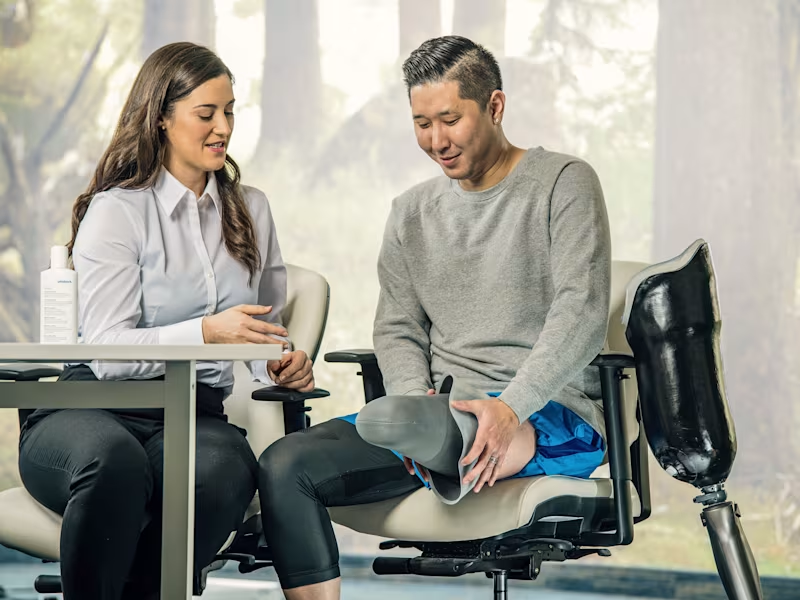
Components are one thing, but when asked about what advice she has for someone who’s just experienced limb loss (or perhaps they’ve been an amputee for a while and don’t have their setup locked in), she mentioned that the patient-prosthetist relationship and self-advocacy are the biggest pieces of the puzzle:
“My advice would be to advocate for yourself and don't be afraid to start over to find a prosthetist that will truly listen to you. Because when you find somebody that is listening to your concerns and is willing to figure out what it takes to make you comfortable, it's a game changer.”
Fields recently moved across state lines, so the clinician and self-advocacy aspects are especially salient for her. “I just encourage anybody to find a good prosthetist that's willing to listen to them and advocate for themselves,” says Fields.
At the end of the day, as a clinician, one of the most crucial aspects to a successful patient relationship is being willing to listen to their needs without a preconceived result in mind then working together to find the best solution.