Why the Kenevo and Kintrol Are a Powerful Combination for Lower Mobility Prosthesis Users
Optimizing Safety, Stability, and Confidence Through a Purpose-Built Prosthetic Knee and Foot System
When evaluating prosthetic components for people with limited mobility, clinicians often face a difficult balancing act: maximizing safety and stability while still promoting confidence, independence, and functional mobility in daily activity.
For low-mobility prosthesis users, component selection is especially important. A prosthetic knee provides advanced stability features, but without a well-matched prosthetic foot, users may not get the full benefits. Likewise, even the most responsive prosthetic foot cannot compensate for a knee system that lacks adequate support.
This is where the combination of the Ottobock Kenevo microprocessor knee and Kintrol hydraulic prosthetic foot comes in.
Together, these technologies create a system designed specifically to help lower mobility users navigate daily life with greater confidence, improved stability, and reduced fall risk.
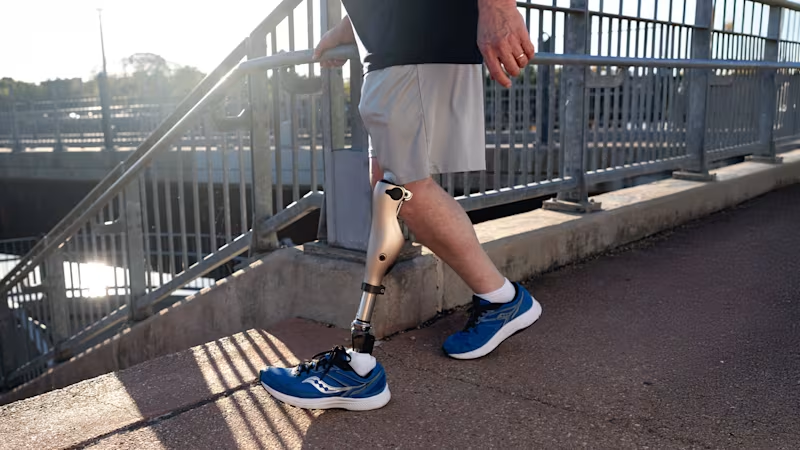
What Is the Kenevo Microprocessor Knee?
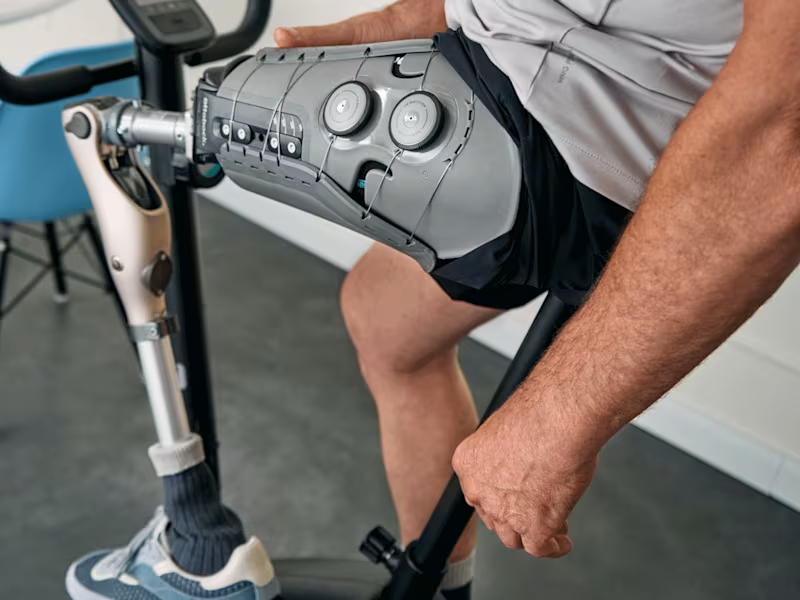
The Kenevo is Ottobock's microprocessor-controlled prosthetic knee designed specifically for individuals who prioritize safety, stability, and support in their daily mobility. It is the lightest MPK on the market, and, unlike many microprocessor knees developed primarily for higher-activity users, Kenevo was specifically engineered for lower level ambulators, including older adults, new prosthesis users, individuals with balance concerns, and those who rely on walking aids.
The knee continuously analyzes movement through onboard sensors, including an inertial motion unit (IMU), knee angle sensor, an additional ankle moment sensor in the proprietary AXON pylon, and microprocessor-controlled hydraulics. These systems work together in real time to adapt resistance and provide support throughout the gait cycle.
Why the Prosthetic Foot Matters
When clinicians search for terms like "best prosthetic knee for K2 patients" or "microprocessor knee for balance and stability," the conversation often focuses on the knee alone.
However, the interaction between the knee, foot, socket, and alignment heavily influence outcomes. Prosthetic feet play a critical role in:
Managing ground reaction forces
Providing stability and improve mobility on uneven surfaces
Facilitating toe clearance during swing phase
Supporting smooth rollover
Enhancing confidence during weight transfer
For lower mobility users, these factors can significantly influence comfort, energy expenditure, and perceived safety.
Introducing the Kintrol Hydraulic Prosthetic Foot
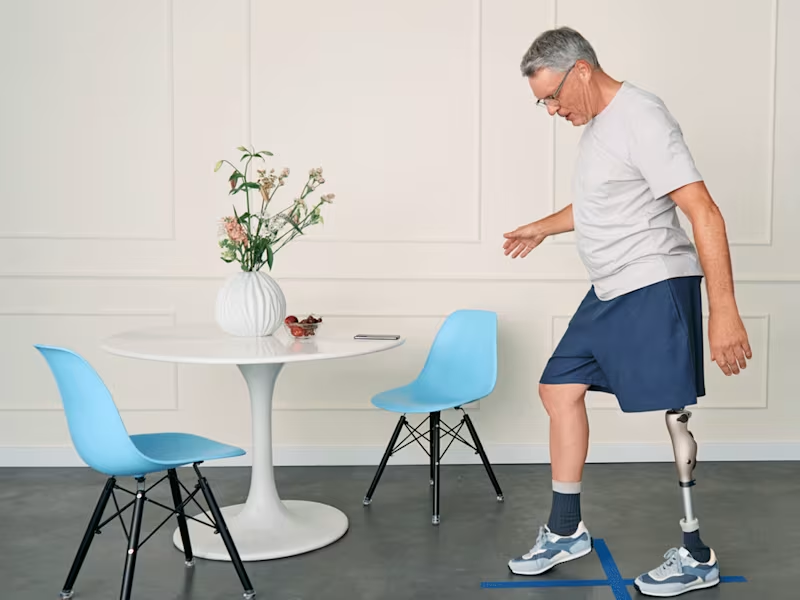
The Kintrol was developed to provide adaptable ankle motion and enhanced stability for everyday mobility.
The hydraulic ankle offers 12 degrees of total range of motion, including dorsiflexion and plantarflexion, allowing the foot to adapt to changes in terrain while promoting a more natural gait pattern.
Additional features include:
Hydraulic ankle technology
Full fiberglass keel for flexibility and comfort
Active dorsi-assist spring to improve toe clearance during swing phase
Adjustable heel stiffness through interchangeable heel bumpers designed to enhance balance and stability
For users who may have difficulty navigating slopes, uneven ground, or variable walking environments, these design elements can contribute to a more stable and predictable walking experience.
Why Kenevo and Kintrol Are a Great Prosthetic Foot and Knee Combination
Ottobock specifically recommends the Kintrol as a compatible system solution with the Kenevo platform.
The pairing works because both components are designed around similar clinical priorities.
Kenevo provides advanced support through three activity modes based on the patient’s mobility level (maximum standing support with a locked knee (Mode A), weight activated brake function (Mode B/B+), and a yielding knee with available Intuitive Stance (Mode C).
Meanwhile, Kintrol's hydraulic ankle helps maintain consistent foot contact with the ground, improving stability as users encounter slopes, ramps, and uneven surfaces.
Together, these technologies create a more secure foundation throughout the gait cycle.
Kenevo provides advanced support through three activity modes based on the patient’s mobility level (maximum standing support with a locked knee (Mode A), weight activated brake function (Mode B/B+), and a yielding knee with available Intuitive Stance (Mode C).
Meanwhile, Kintrol's hydraulic ankle helps maintain consistent foot contact with the ground, improving stability as users encounter slopes, ramps, and uneven surfaces.
Together, these technologies create a more secure foundation throughout the gait cycle.
Falls remain one of the greatest concerns among lower mobility prosthesis users.
Kenevo's Stumble Recovery Plus actively supports recovery from trips during the entire swing phase (active at all times).
At the same time, Kintrol's active dorsi-assist spring helps improve toe clearance, reducing the likelihood of toe stubbing during swing.
These complementary technologies address fall prevention from multiple angles.
Falls remain one of the greatest concerns among lower mobility prosthesis users.
Kenevo's Stumble Recovery Plus actively supports recovery from trips during the entire swing phase (active at all times).
At the same time, Kintrol's active dorsi-assist spring helps improve toe clearance, reducing the likelihood of toe stubbing during swing.
These complementary technologies address fall prevention from multiple angles.
Many lower mobility users are less concerned with maximizing speed and more focused on safely navigating everyday environments.
Whether walking across parking lots, transitioning between surfaces, climbing ramps, or moving through the home, users benefit from systems that adapt automatically without requiring conscious adjustments.
Kenevo's sensor-driven hydraulic control and Kintrol's adaptive ankle motion help support smoother movement across changing terrain while maintaining predictable performance.
Many lower mobility users are less concerned with maximizing speed and more focused on safely navigating everyday environments.
Whether walking across parking lots, transitioning between surfaces, climbing ramps, or moving through the home, users benefit from systems that adapt automatically without requiring conscious adjustments.
Kenevo's sensor-driven hydraulic control and Kintrol's adaptive ankle motion help support smoother movement across changing terrain while maintaining predictable performance.
One of Kenevo's unique advantages is its ability to adapt as users progress.
The knee's multiple activity modes allow clinicians to adjust settings as patients develop skills and confidence over time.
When paired with a foot designed to provide adaptable ankle motion and everyday stability, clinicians can create a system that supports both current needs and future mobility goals.
One of Kenevo's unique advantages is its ability to adapt as users progress.
The knee's multiple activity modes allow clinicians to adjust settings as patients develop skills and confidence over time.
When paired with a foot designed to provide adaptable ankle motion and everyday stability, clinicians can create a system that supports both current needs and future mobility goals.
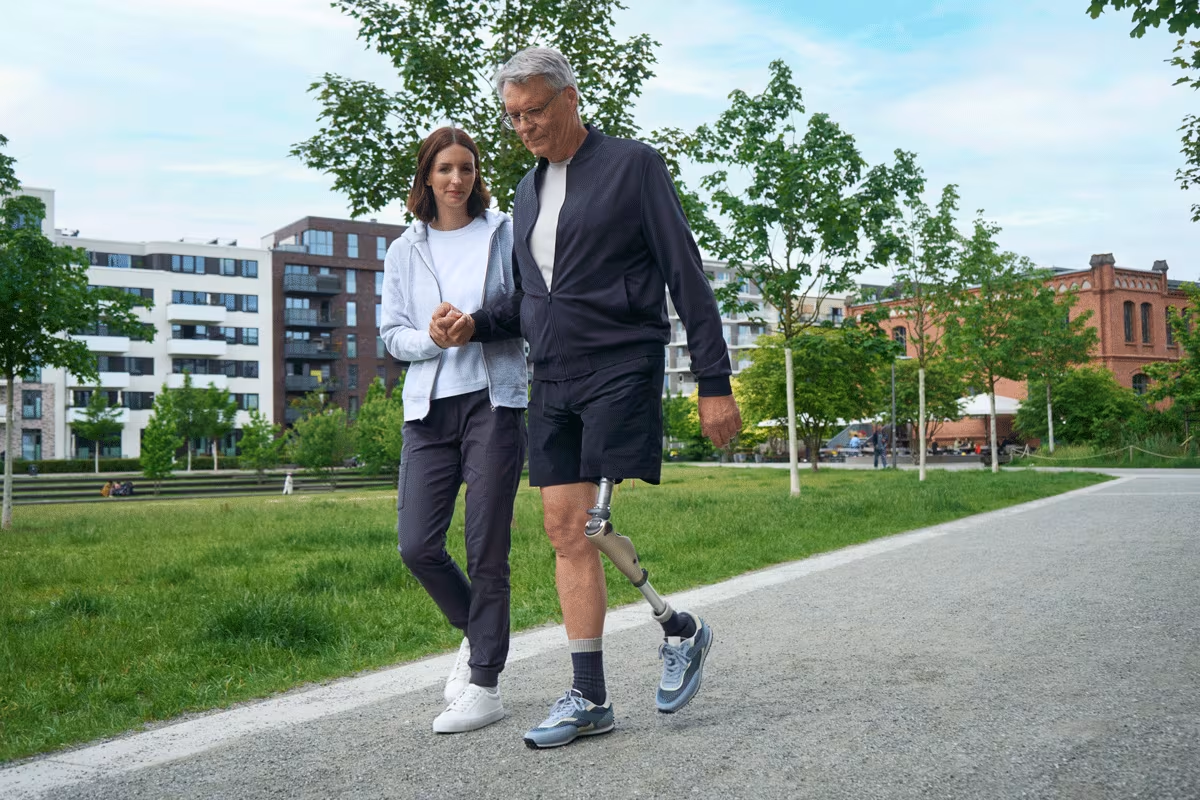
Enhanced Stability During Stance
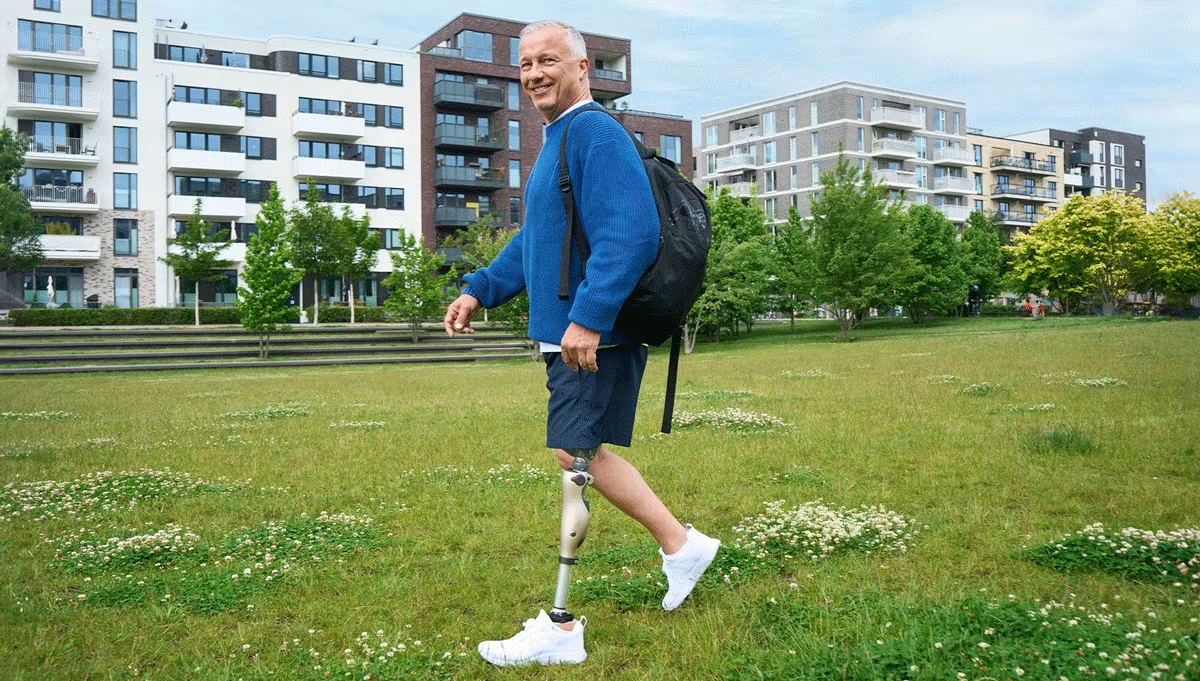
Improved Toe Clearance and Reduced Trip Risk
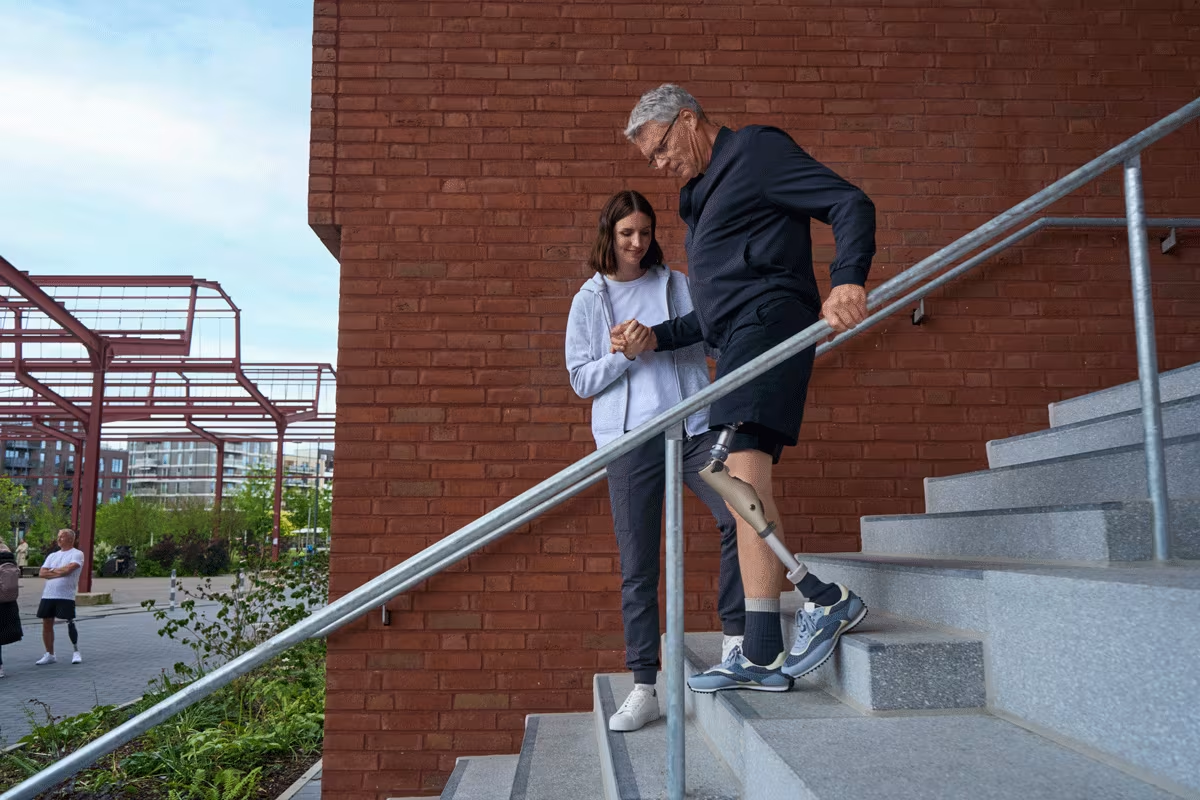
Greater Confidence on Real-World Terrain
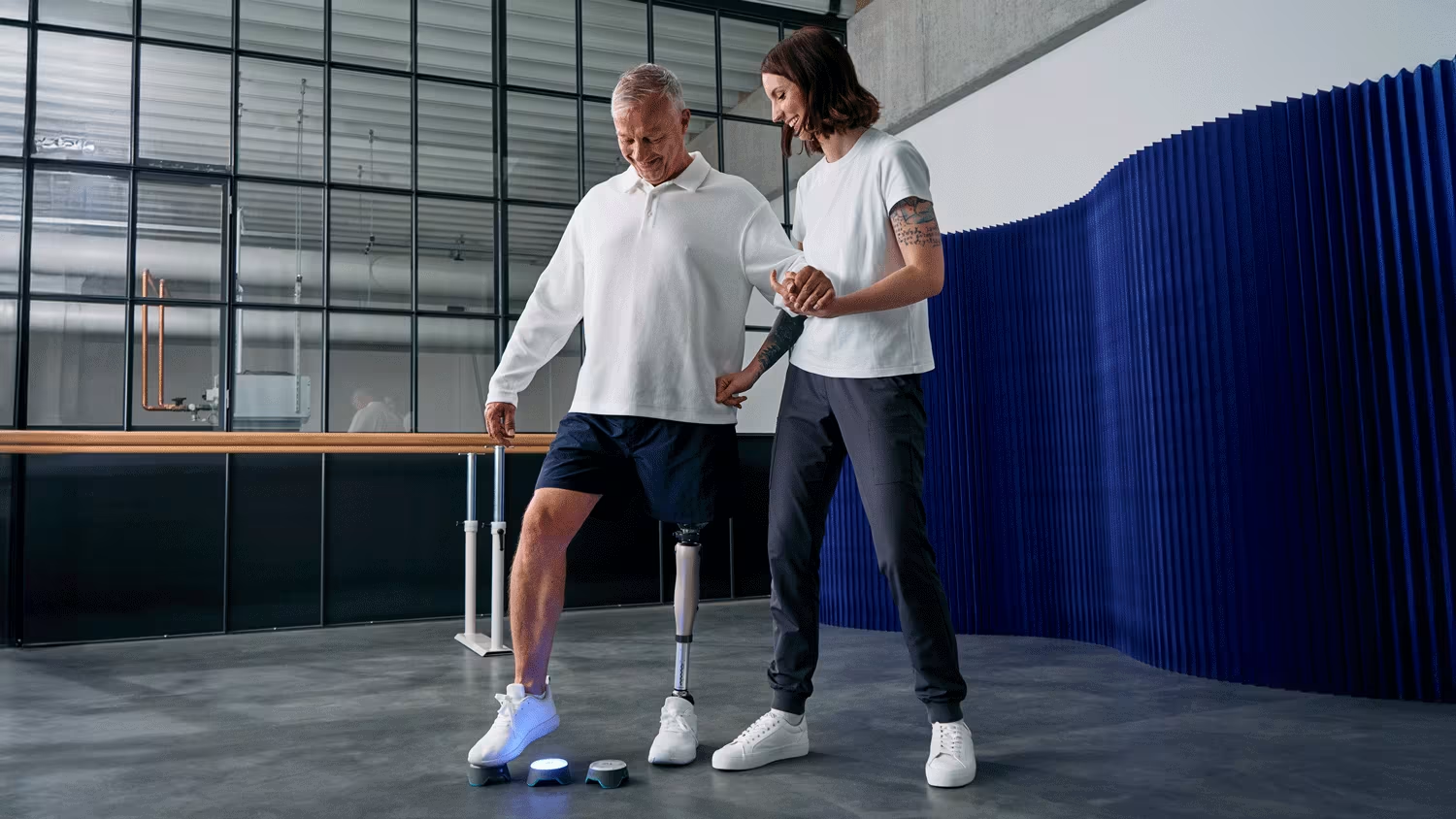
Supporting Rehabilitation and Long-Term Mobility
Key Kenevo features include
Three progressive activity modes that can be selected by the clinician based on the user’s mobility level
(Modes A, B/B+, and C)
Stumble Recovery Plus throughout the entire swing phase
Automatic support during ramp and stair descent
Standing up and sitting down assistance
Wheelchair mode
Reliable stance release with or without walking aids
User-adjustable functions through the NEW connectgo user app
App based programming by the clinician via the connectgo.pro set up app
And much more!
For many clinicians, the most important benefit is simple: helping users feel safer while encouraging greater participation in everyday activities.

Who Is the Ideal Candidate?
The Kenevo and Kintrol combination may be particularly beneficial for:
K2 ambulators
Select low-K3 users
Older adults with limb loss
New prosthesis users
Individuals with balance concerns
Users who rely on canes, walkers, or other assistive devices
Bilateral transfemoral prosthesis users, or users with hip disarticulation or osseointegration
Individuals seeking greater confidence during daily mobility activities

A System Designed Around Confidence
For lower mobility users, successful outcomes are not measured solely by walking speed or activity level. Success often means feeling secure enough to navigate everyday life with greater independence.
By combining the intelligent support of the Kenevo microprocessor knee with the adaptable stability of the Kintrol hydraulic foot, clinicians can deliver a system of prosthetic technology specifically designed to help users feel safer, more stable, and more confident with every step.