
What Are Adaptive Sports?
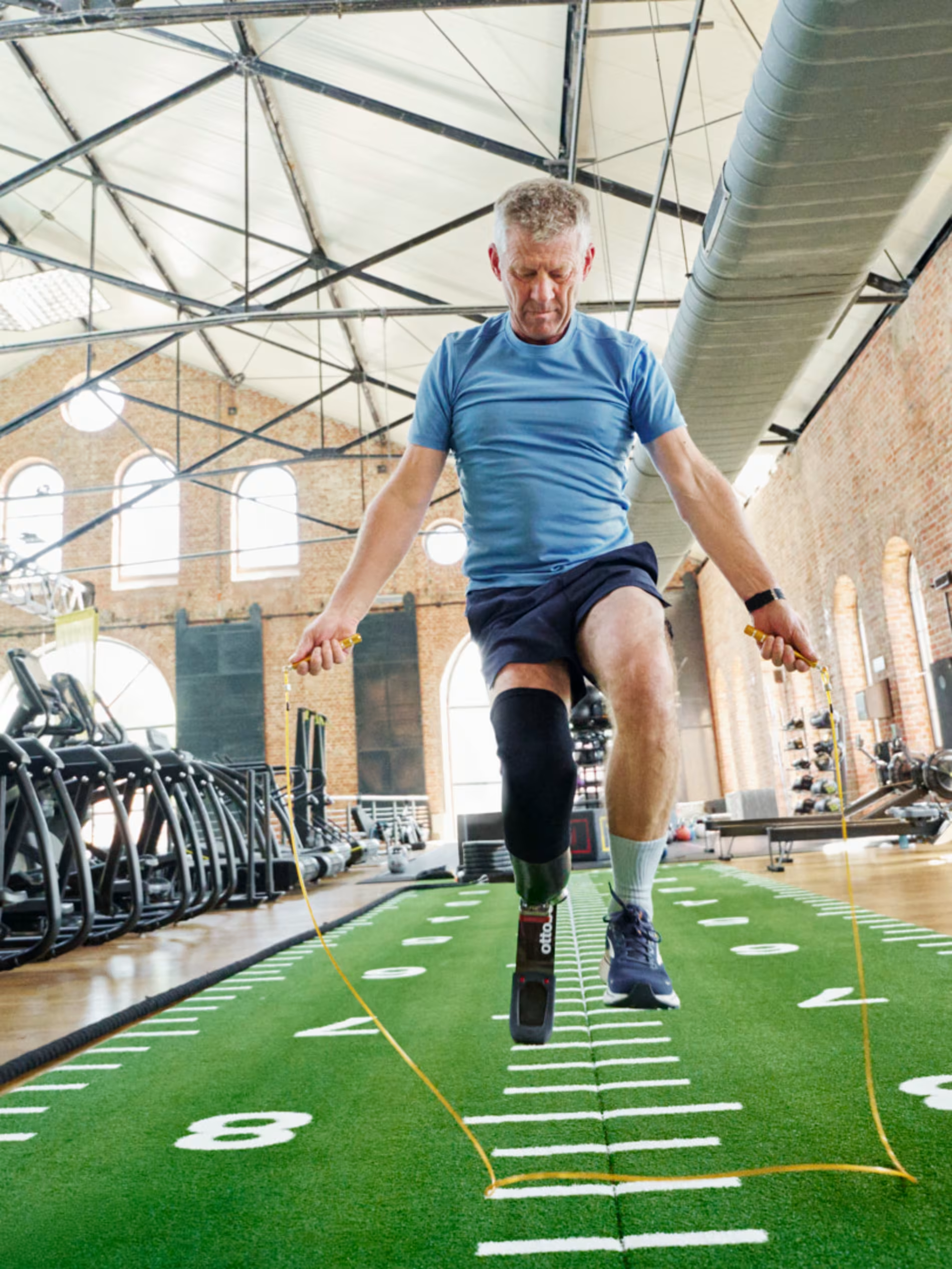
Adaptive sports are competitive and recreational sports designed or modified to be accessible for people with physical, visual, or intellectual disabilities. At their core, adaptive sports are about one powerful idea: movement belongs to everyone.
From community leagues to elite international competition, adaptive sports give athletes the opportunity to train, compete, and thrive while using adaptive equipment, prosthetics, orthotics, or modified rules that level the playing field without limiting ambition.
How Adaptive Sports Work
Adaptive sports may look like traditional sports, but they’re thoughtfully adapted to meet athletes where they are. These adaptations can include:
Specialized equipment, like running blades, sit-skis, or sports wheelchairs
Rule modifications, such as different classifications or distances
Inclusive formats, allowing athletes of varying abilities to compete safely and fairly
The goal isn’t to simplify sports. Adaptive sports are about unlocking performance, confidence, and independence for people of all abilities and ambitions.
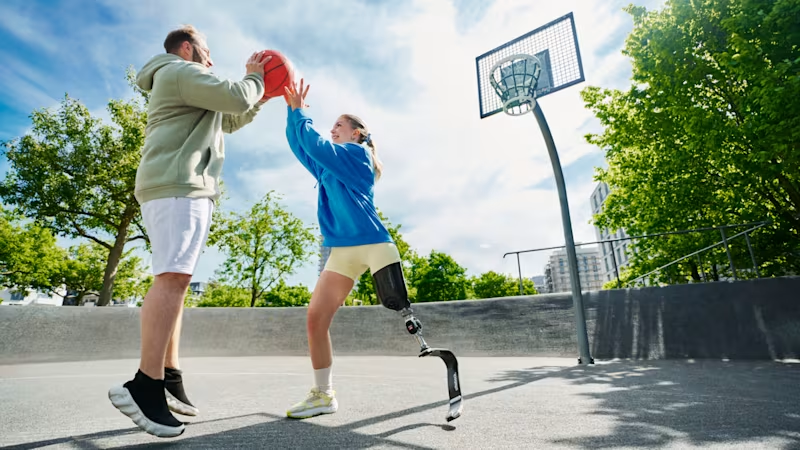
Examples of Adaptive Sports
Adaptive sports span nearly every category of athletics. Many of these sports are featured on the world’s biggest stage at the Paralympic Games, where athletes push boundaries and redefine what’s possible in sport. You can learn more about how to watch the upcoming Winter Paralympics in Milano-Cortina in this blog post!
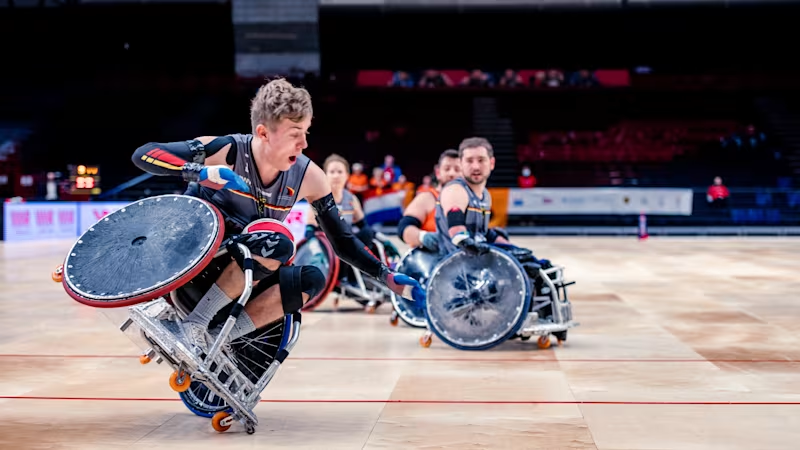
Wheelchair basketball, rugby, and tennis




Who Can Participate?
Adaptive sports are for anyone with a disability who wants to move, compete, or simply try something new. Athletes may have limb loss or limb difference, spinal cord injuries, neurological conditions, visual impairments, or other disabilities. Experience level doesn’t matter; there are entry points for beginners and pathways all the way to elite competition.
Just as important, adaptive sports aren’t only about medals. They’re about:
Building community
Improving physical and mental health
Regaining confidence after injury or diagnosis
Reconnecting with movement and identity
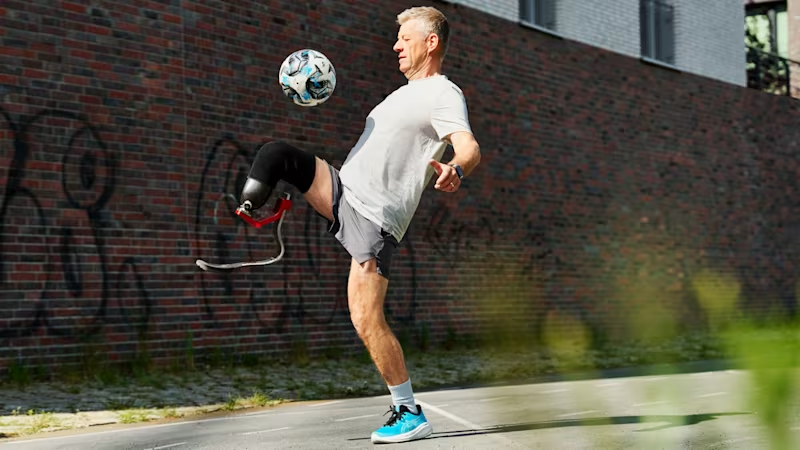
Why Adaptive Sports Matter
Adaptive sports challenge outdated perceptions of disability. They show strength, skill, resilience, and innovation in motion, and they remind the world that athletes are athletes, full stop.
At Ottobock, adaptive sports are more than competition—they’re a celebration of human potential. Through innovation, athlete partnerships, and community events, Ottobock supports athletes at every stage of their journey, from first steps back into movement to podium finishes.
So, what are adaptive sports?
They’re sport without limits. They’re movement made possible. And they’re proof that everyone deserves the chance to play, compete, and belong.
If you’re curious about adaptive sports, the best place to start is simply this: show up, try something new, and move your way.
Ottobock hosts multiple events throughout the year to promote community movement and adaptive sports. You can learn more about them, sign up for more information, and even register for upcoming events at our Adaptive Sports Hub.