Prosthetics for Children.
At Ottobock, we believe every child deserves the freedom to move, play and grow with confidence. Our kids’ prosthetic solutions are designed to support children at every stage of life, from infants taking their first steps to teenagers exploring independence through sport and everyday activities. Each paediatric prosthetic device is tailored to suit your child’s needs, lifestyle and development. Lightweight, compact and made from durable materials, our solutions prioritise comfort, safety and ease of movement, helping children focus on what matters most: being children.
Prosthetic hands and arms for children.
A prosthetic arm or hand is a specially designed device that supports children who are missing part or all of an upper limb, such as fingers, a hand, part of the arm, or the elbow or shoulder. This may be due to a congenital (from birth) condition, illness, or injury. Children’s upper limb prostheses come in many different types to suit different needs, ages and activities. These range from simple, lightweight hands designed for comfort and appearance, to advanced “bionic” hands that can help with gripping, holding and everyday tasks.
For children, a prosthetic arm or hand can help build independence, confidence and participation. It can support play, learning, creativity and self-care, helping children explore their abilities and take part in daily life at home, school and beyond. As every child is unique, prosthetic solutions are carefully selected and adapted to support their individual goals as they grow.
If you’re wondering whether a prosthetic device is right for your child, keep reading to learn how these technologies empower kids and explore some specially designed options to consider.
With two hands or arms, a lot comes easier for kids.
From playdates, to school projects, to new friendships, kids can’t wait to explore the world with their growing, changing bodies. But for children with an upper limb difference, navigating that world can come with some unique challenges, including many where kids can benefit from the support of a prosthesis.
Today, prosthetists can offer many different specialised hands and arms designed just for kids and their unique mobility needs. Here are a few key reasons why you may consider one of these devices for your child, and why starting early can often deliver the biggest developmental benefits.
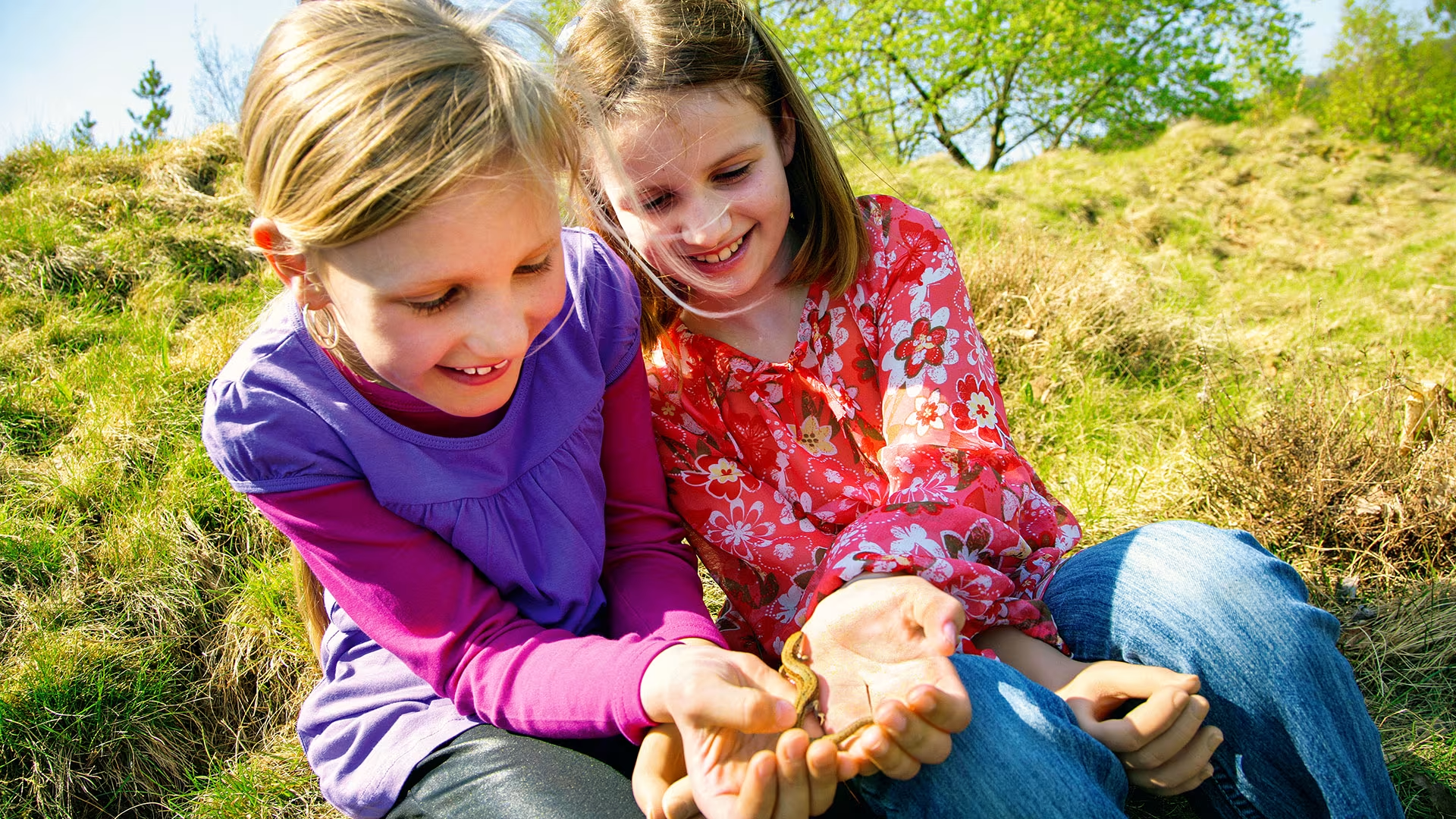
They’ll have even more fun exploring their world
By expanding their ability to grasp and control objects, a prosthesis opens a world of `new ways your child can engage with toys, nature, other children, and more.
By expanding their ability to grasp and control objects, a prosthesis opens a world of `new ways your child can engage with toys, nature, other children, and more.

They can build important two-handed skills
The earlier your child starts using a prosthesis, the sooner it can help them master activities using both of their limbs, from getting dressed, to school tasks, to giving big hugs.
The earlier your child starts using a prosthesis, the sooner it can help them master activities using both of their limbs, from getting dressed, to school tasks, to giving big hugs.
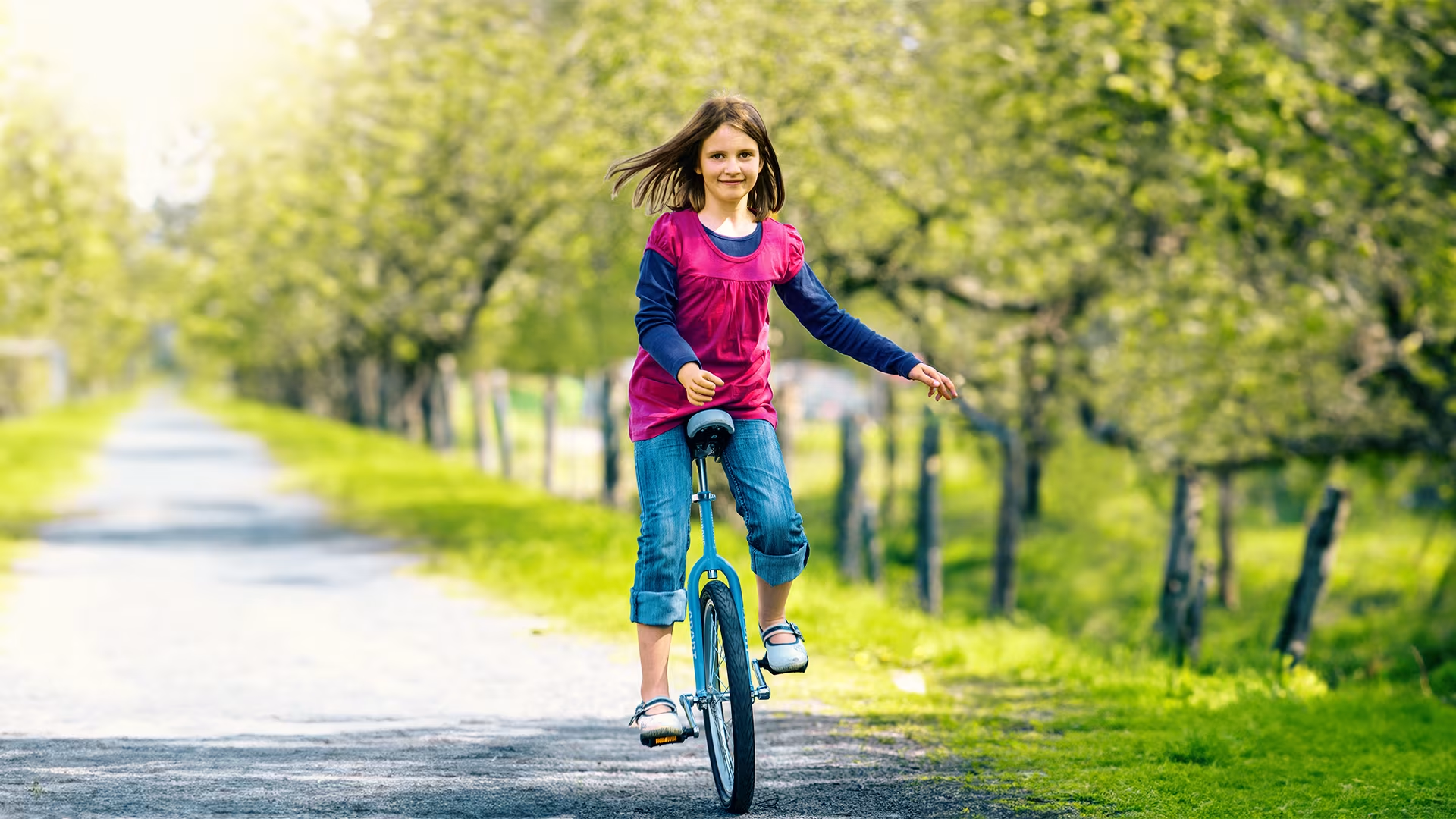
They can develop good posture and balance
Support on both sides can help your child stand and move as naturally as possible. It can also reduce the need for compensating movements that strain the opposite side of their body.
Support on both sides can help your child stand and move as naturally as possible. It can also reduce the need for compensating movements that strain the opposite side of their body.
These proven devices are made specially for kids.
Whether they require a complete prosthetic arm or a hand solution, your child deserves a device that’s built for both their boundless energy and their curious minds, including all the ways they’re learning to feel comfortable and confident in themselves. The right prosthesis should encourage confidence, independence and comfort at every stage of childhood. Here are a few to kid-tested options to consider:
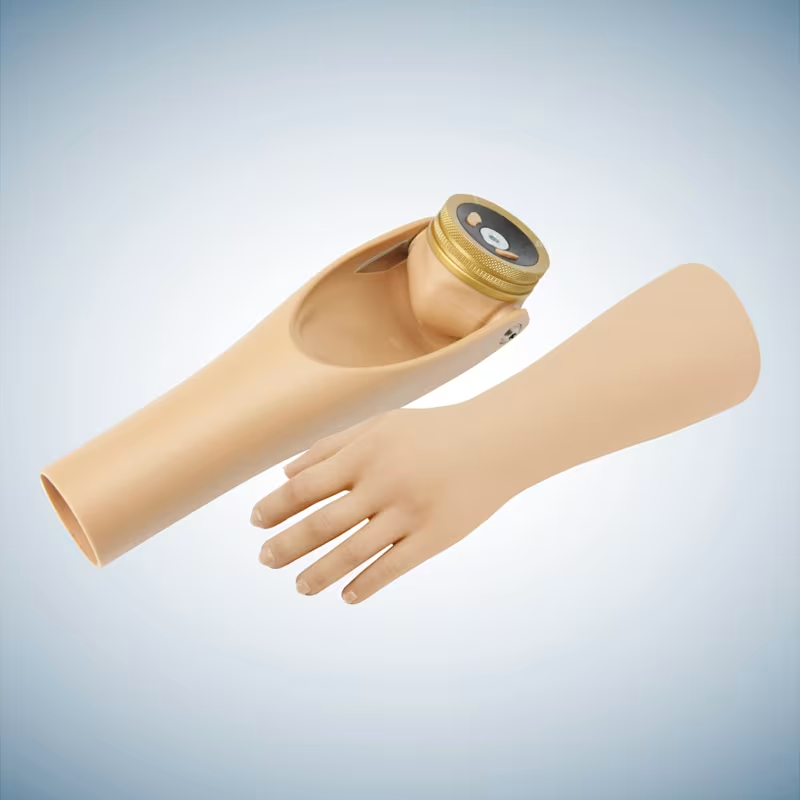
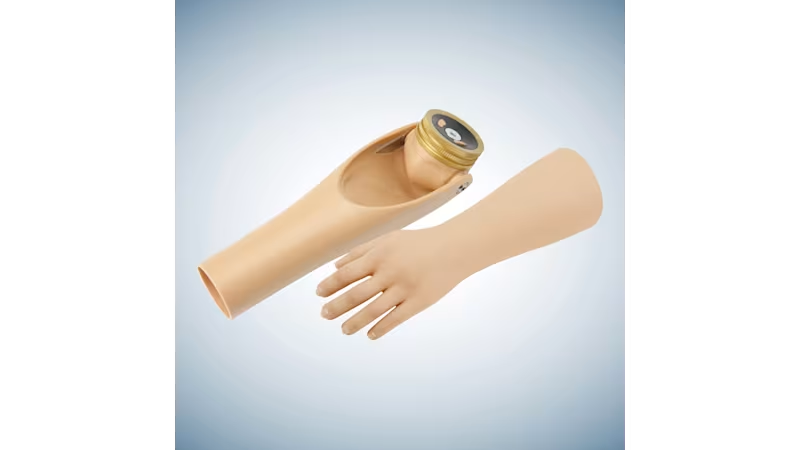
Electric hand 2000 and MyolinoWrist 2000
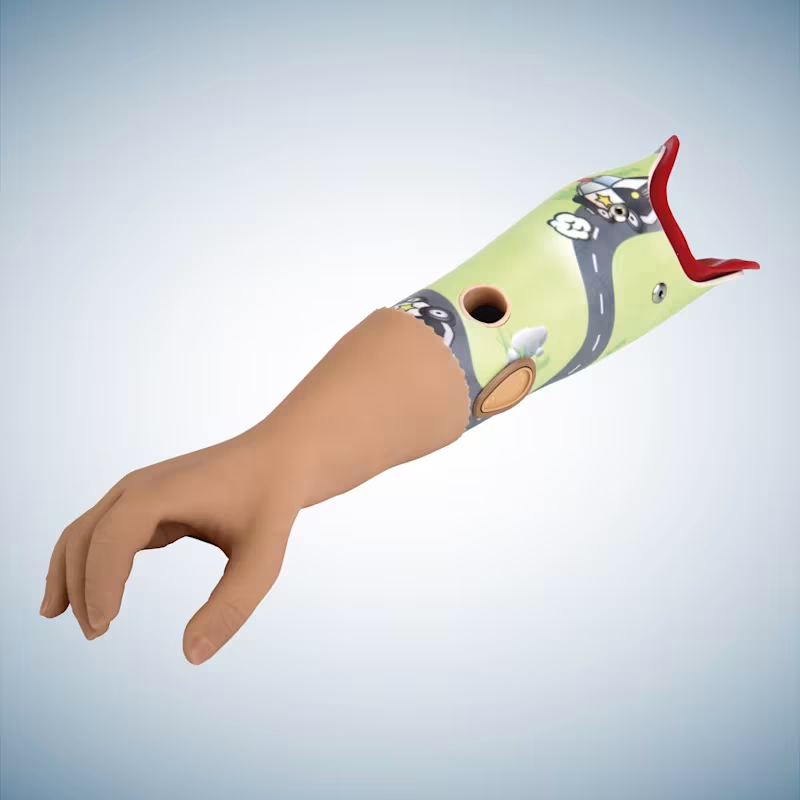
Lightweight and designed to give children a clear view of every task, Electric hand 2000 is a great choice for kids learning to master daily activities with minimal compensating movements. It pairs perfectly with the MyolinoWrist 2000, which your prosthetist can customise in multiple ways that help children use their hand as comfortably and naturally as possible.
Prosthetic feet and legs for children.
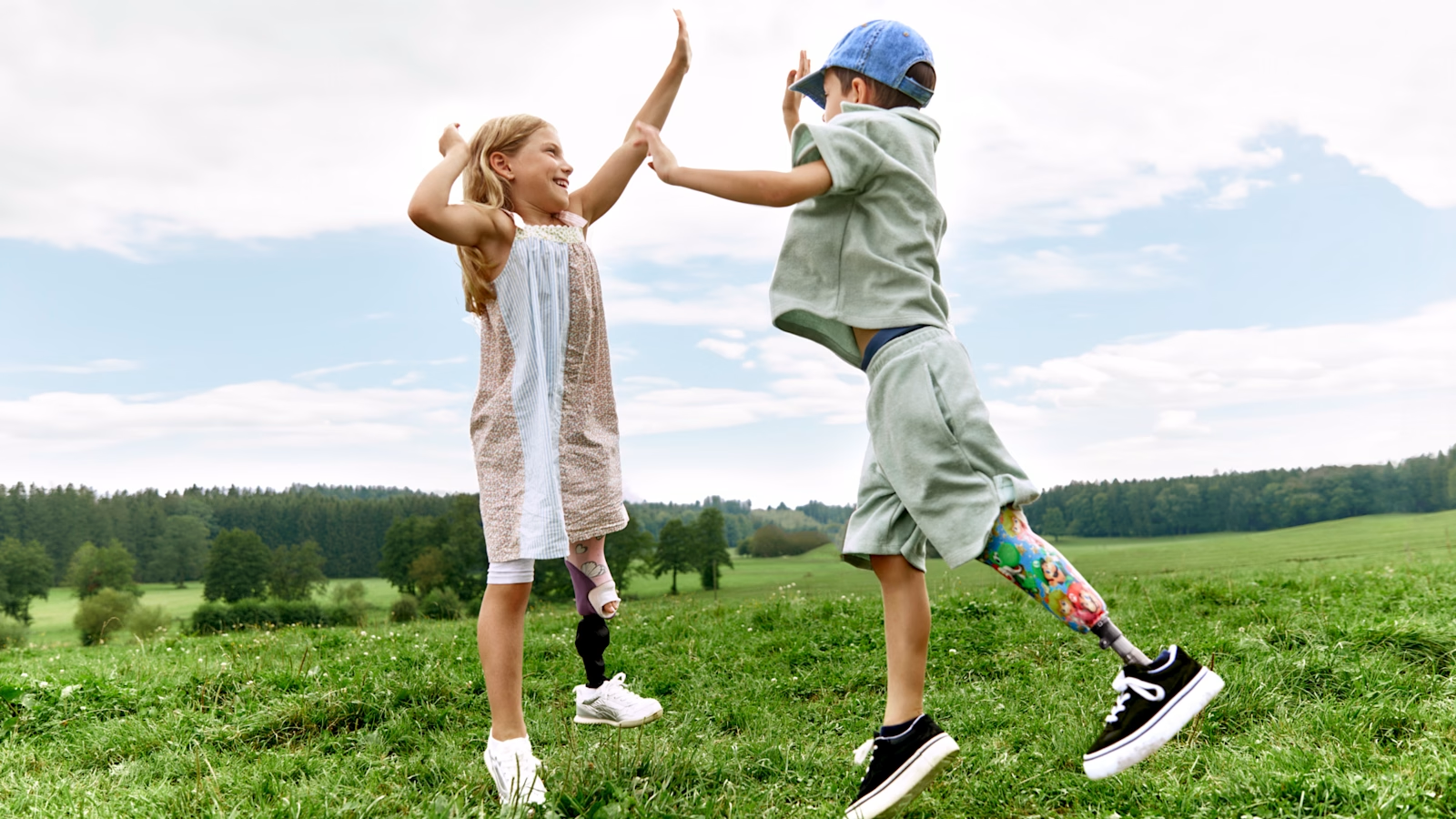
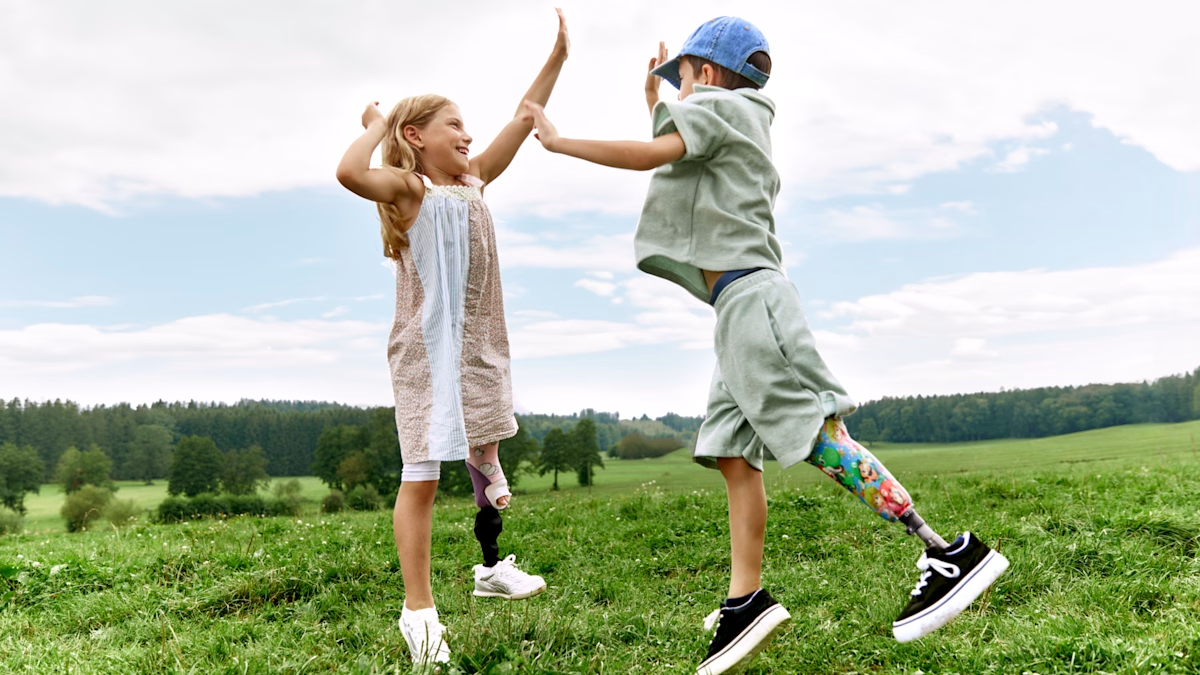
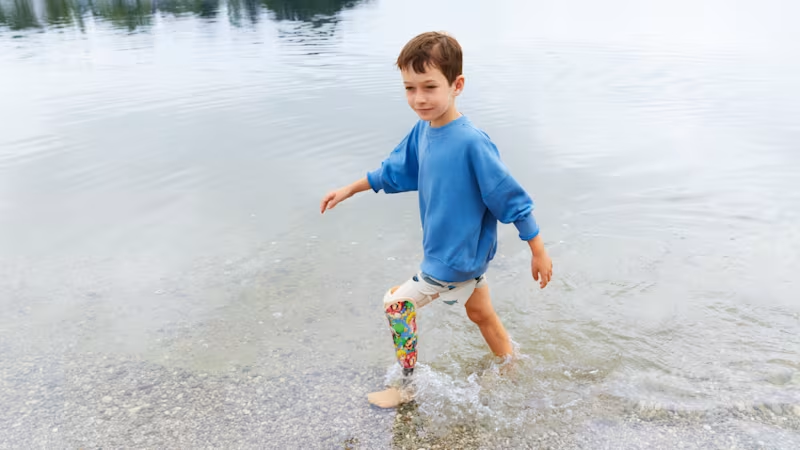
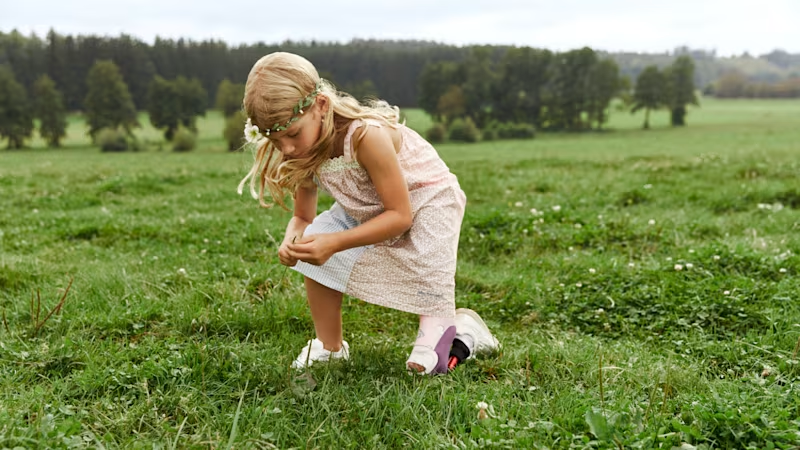
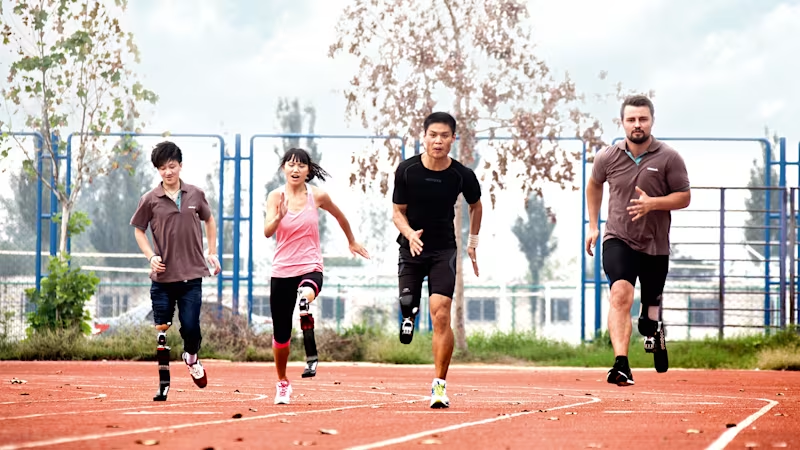
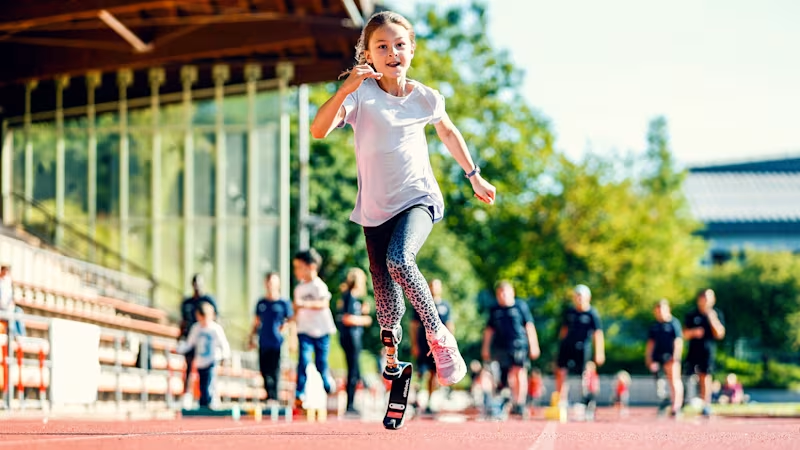
A prosthetic leg is a specially designed device that supports children who are missing part or all of a lower limb, such as the hip, knee, foot or toes. This may be due to a congenital (from birth) condition, illness, or injury. For children, a prosthetic leg can open up a world of possibilities. It can help them move more confidently, take part in play and sport, keep up with friends, and enjoy everyday activities at home and school. Most importantly, it supports growing independence and self-confidence as they develop.
Children’s lower limb prosthetics are available in a range of designs to suit different ages, activity levels and stages of growth. Each prosthesis is carefully selected and adjusted to meet your child’s individual needs and goals. While a prosthetic leg may not be the right choice for every child, for many it can be a valuable tool in supporting an active, happy and fulfilling childhood.
If you're looking for a prosthesis that's truly empowering for them, here's a closer look at some important factors and proven options to consider.
Kids need prostheses that are ready to keep up with them.
From home, to school, to everywhere they want to explore with their friends, children have a whole wide world they can't wait to discover and growing, changing bodies to do it with. That takes a special kind of prosthesis, one built just for kids and their unique physical and developmental needs. If you're considering which foot or leg your child should use, these three factors are key.

It should be durable enough for all that activity
In the garden, playground, or sports pitch, no one plays harder than children. Their prosthesis should be tough enough for every bump, jump, race, or game that's coming next.
In the garden, playground, or sports pitch, no one plays harder than children. Their prosthesis should be tough enough for every bump, jump, race, or game that's coming next.
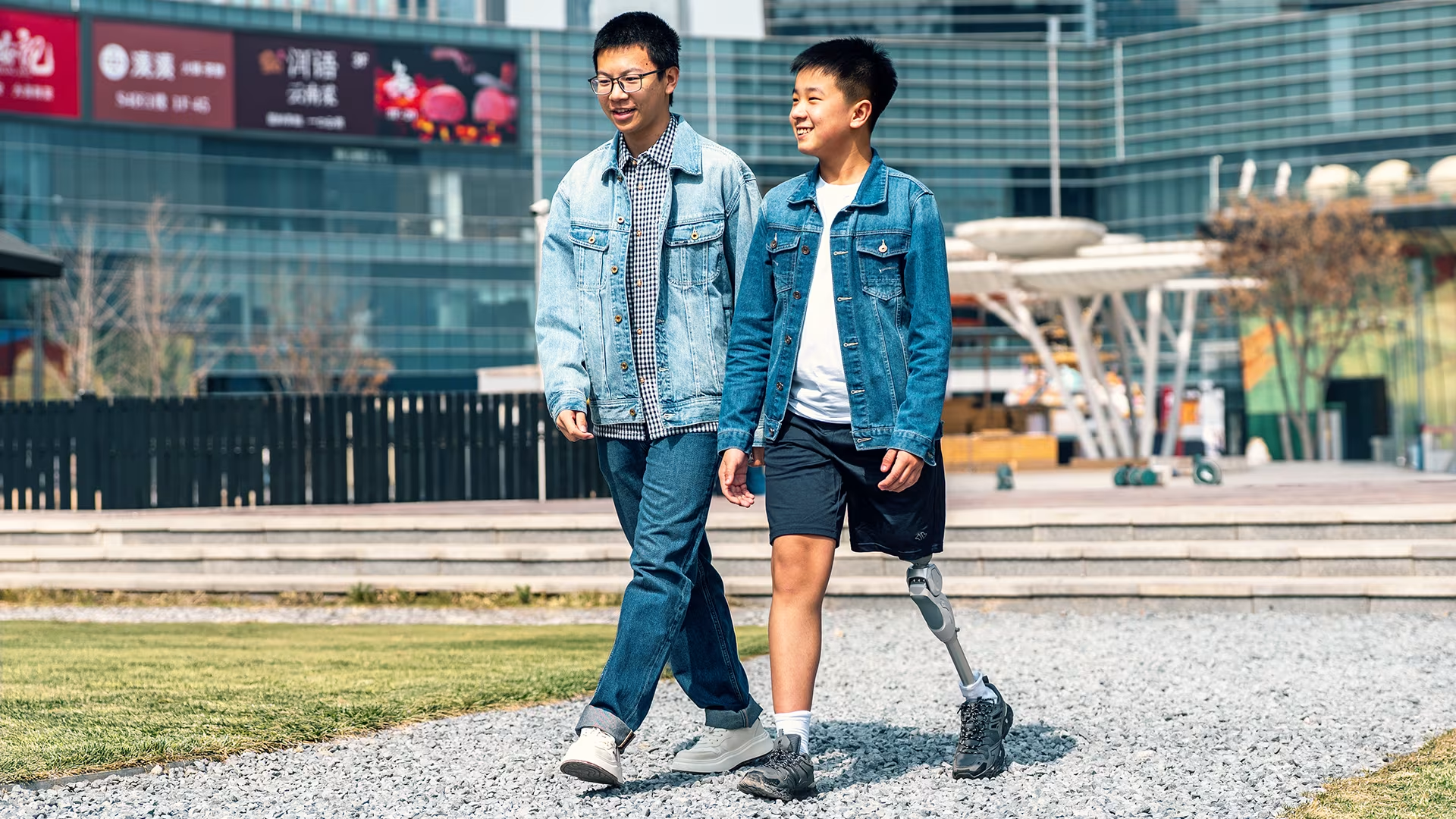
Their prosthesis should let them be part of everything
While your child's device may help keep them on the move, it should help support their social development too. The right device is one that lets them be a kid with all the other kids.
While your child's device may help keep them on the move, it should help support their social development too. The right device is one that lets them be a kid with all the other kids.

They should be able to take it anywhere, any time
Indoors, outdoors, rain or shine, kids just want to chase the next discovery. Their prosthesis should be ready for all the dirt, water, mud, and grass those little feet will run through.
Indoors, outdoors, rain or shine, kids just want to chase the next discovery. Their prosthesis should be ready for all the dirt, water, mud, and grass those little feet will run through.
Lower Limb Prosthetics.
Whether your child has above or below knee limb difference, confidence is key, yours and theirs. You want to know you're choosing components that are designed for all that amazing energy, and ready to support vibrant physical and social growth. Here are a few kid-tested options to consider:
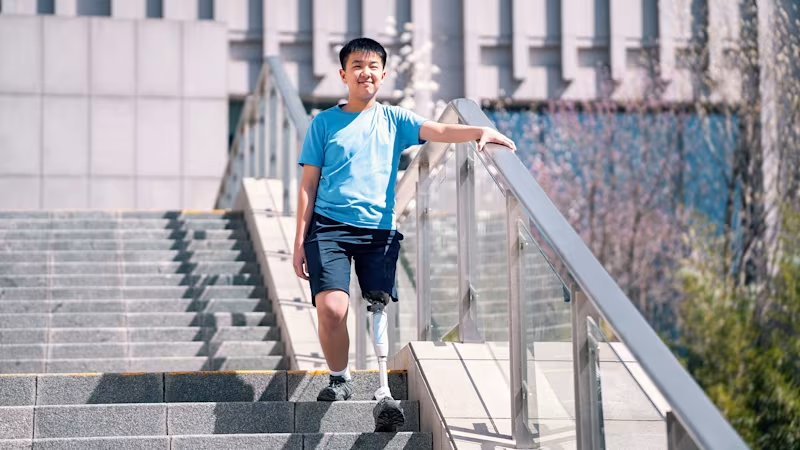
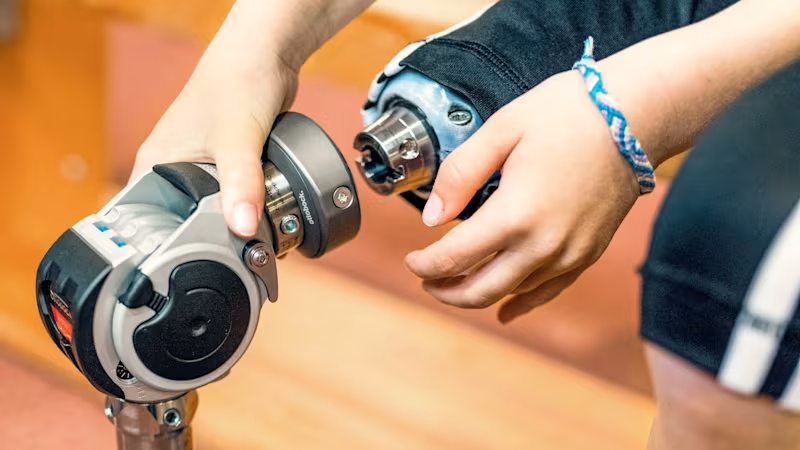
dynion explore
dynion explore is a mechanical prosthetic knee with stance phase control that supports confident movement across a wide range of everyday situations and activities. Fully waterproof, it is suitable for children and adolescents up to 60 kg.
MPKs for Kids.
Every child deserves the freedom to move with confidence. Our microprocessor prosthetic knees, including the C-Leg and Kenevo, use intelligent sensor technology to adapt in real time, offering greater stability, safety, and more natural movement as children walk, play, and grow. Available through the NHS for eligible users, these advanced solutions help young people build confidence, independence, and an active, fulfilling future from the very start of their journey.

Kids and adolescents need liners tailored to their growing bodies.
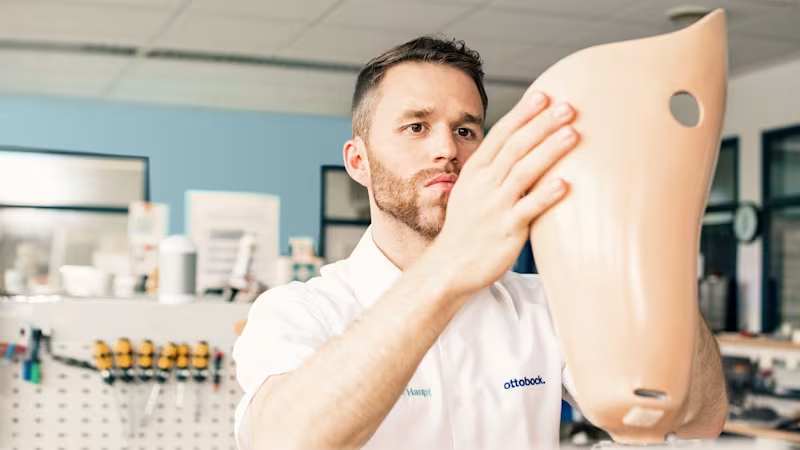
The liner that fits over your child's residual limb and is between their limb and the socket, is a critical part of the prosthesis for users of any age. For children, however, customisation is especially important: their liner must be carefully tailored to their unique, growing bodies, their stage of development, and their individual growth rate.
Ottobock offers a range of adaptable options designed to keep kids comfortable and their prosthesis secure, no matter their age or activity level.
Precision made simple
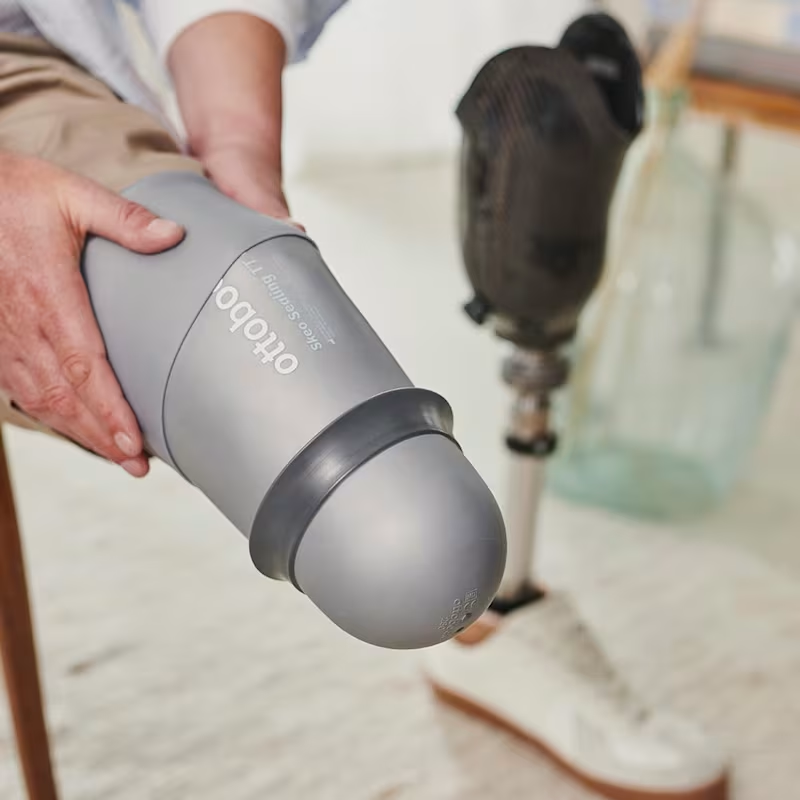
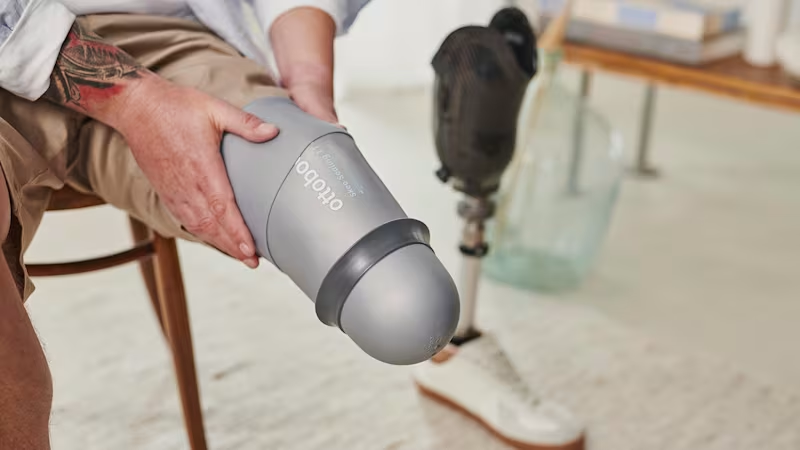
Customised Skeo liners are ideal for children, their changing bodies, and unique residual limb shapes.
Made from robust and skin-friendly silicone, these liners are easy to put on, take off, and clean. But most importantly, they provide a secure, reliable fit for kids with both above- and below-knee limb differences, supporting them with all their dynamic daily activities.
And the socket? That's where an expert comes in.
The socket is the direct physical link between your child and their prosthesis. Because every body is unique, this component rarely comes off the shelf. Instead, your prosthetist will custom-make a socket that perfectly matches your child‘s residual limb. This personalised fit is the secret to a secure, comfortable fit that keeps your child safe and stable.