Stroke Awareness Month
Each May, Stroke Awareness Month puts a spotlight on one of the leading causes of long-term disability in the United States. Nearly 800,000 people experience a stroke every year, and for many, recovery is not just about survival. It is about rebuilding movement, confidence, and independence.
Awareness months like this are a reminder of how critical early intervention, access to rehabilitation, and ongoing support can be. Research consistently shows that starting rehab within the first couple of weeks after a stroke can make a meaningful difference in long-term outcomes.
Recovery looks different for everyone. But with the right support system and tools, progress is possible.
Understanding Stroke Recovery
After a stroke, the brain and body often need to relearn how to work together. This can affect:
Walking and balance
Arm and hand movement
Coordination and posture
Everyday tasks like getting dressed or cooking
Rehabilitation focuses on helping people regain as much function as possible while adapting to new ways of moving when needed. That journey is often supported by physical therapists, occupational therapists, and assistive technologies designed to meet people where they are.
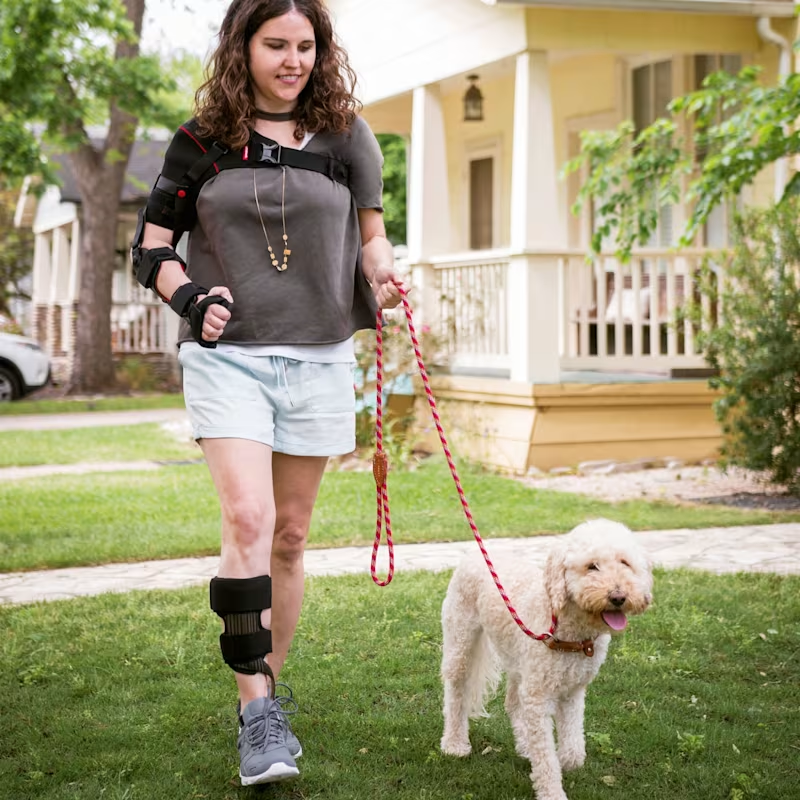
Supporting Upper Body Movement
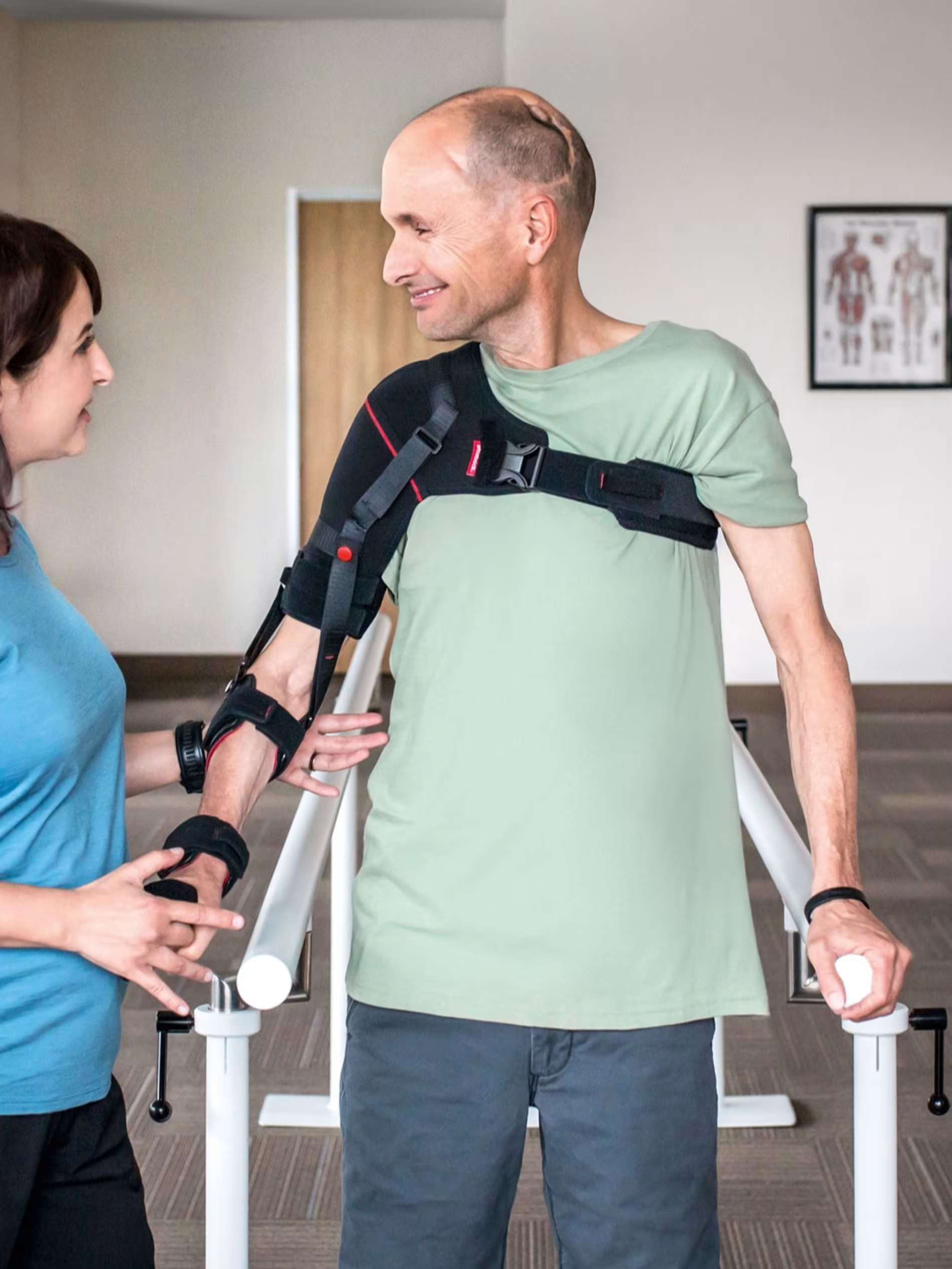
For many stroke survivors, the shoulder, arm, and hand can feel especially difficult to control. Weakness, instability, or spasticity can make even small movements challenging.
Supportive devices can help by:
Keeping the shoulder properly aligned to reduce discomfort
Stabilizing the wrist and hand to encourage more natural positioning
Making it easier to participate in therapy and daily activities
These types of solutions are often used alongside therapy to promote safe, controlled movement and help rebuild functional use over time.
Ottobock offers multiple upper-limb solutions:
Omo Neurexa Plus: A shoulder orthosis for patients with shoulder pain and subluxation after stroke or CNS/PNS injury. By positioning the arm correctly, Omo Neurexa Plus helps inhibit pathological movement patterns, supports posture and gait, and may reduce pain. Color-coded snap fasteners make independent donning/doffing easier.
Manu Neurexa Plus: A wrist/hand orthosis for patients who need greater support or control of the wrist, hand, and fingers due to post-stroke paralysis, cervical disc issues, brachial plexus injury, or spasticity up to grade 1 on the Ashworth scale. It stabilizes in a neutral position to encourage active rehab and functional use.
Palmar Splint: A configurable hand support for therapy or nighttime positioning. The tool-free click system connects directly to Manu Neurexa Plus, while the adaptable, universal design simplifies fitting and inventory.
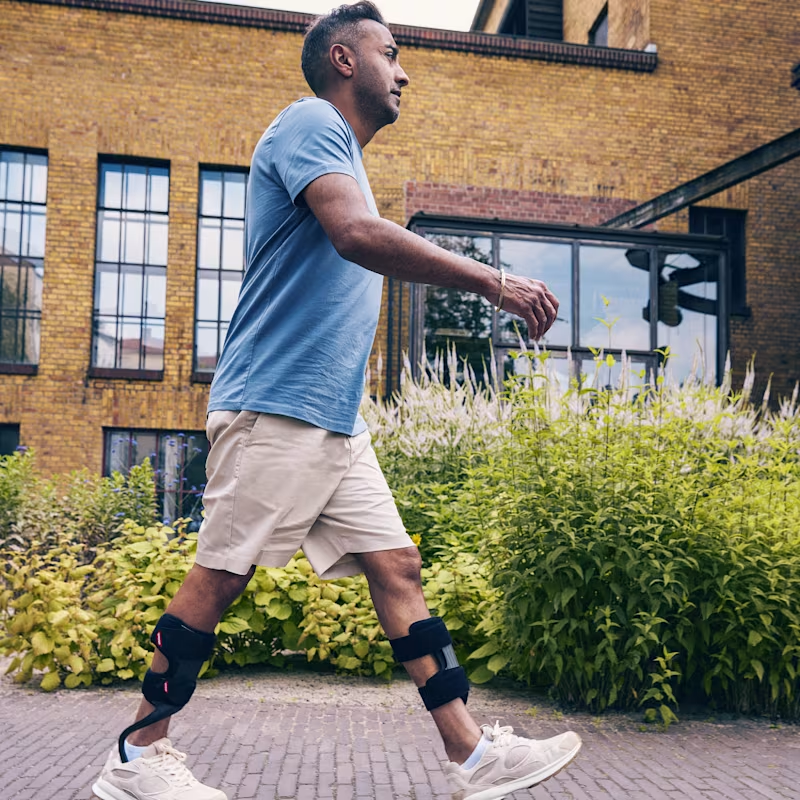
Regaining Confidence While Walking
Mobility is one of the biggest milestones in stroke recovery. Conditions like drop foot can make walking feel unstable or unpredictable, which can limit independence. Ankle-foot orthoses (AFOs), like those in Ottobock’s WalkOn family, are designed to support a more natural walking pattern by:
Improving foot clearance during each step
Providing stability during stance and movement
Returning energy to help make walking feel smoother and less effortful
Lightweight, low-profile designs also make it easier to wear them throughout the day, whether at home or out in the community.
More about the WalkOn Family of AFOs
WalkOn AFOs support patients with drop foot to achieve a more natural, symmetrical gait with fluid rollover and high energy return. Carbon-fiber construction keeps them lightweight, low-profile, and durable; trimmable footplates (shapeable with scissors) make fitting fast, often completed in a single visit.
WalkOn Lateral and WalkOn Reaction Lateral AFOs feature a lateral-strut design for active patients with weak dorsiflexion or paralysis. Key advantages include:
Carbon-fiber build for stability and responsive energy return
Slim, anatomical shape that supports dynamic gait at higher speeds
Lateral strut placement to avoid contralateral conflicts and better suit ankle supination or flat foot
Why a Whole-Body Approach Matters
Stroke does not affect just one part of the body, so recovery should not focus on just one area either. When upper- and lower-body support work together, it can:
Improve overall balance and posture
Reduce compensatory movements that lead to fatigue
Support safer, more confident mobility
That coordination can make a real difference in how people move through their day, from therapy sessions to everyday routines.
Moving Forward, One Step at a Time
Stroke Awareness Month is a reminder that recovery is not a straight line. It is a process that takes time, patience, and the right combination of care and support.
Whether someone is early in their journey or continuing to build on years of progress, the goal stays the same: helping people move more freely, participate more fully, and feel more like themselves again.
If you or someone you love is navigating life after stroke, connecting with a care team and exploring available support options can be a powerful next step.