Adaptive Sports Day
2026 has been a year of firsts for us.
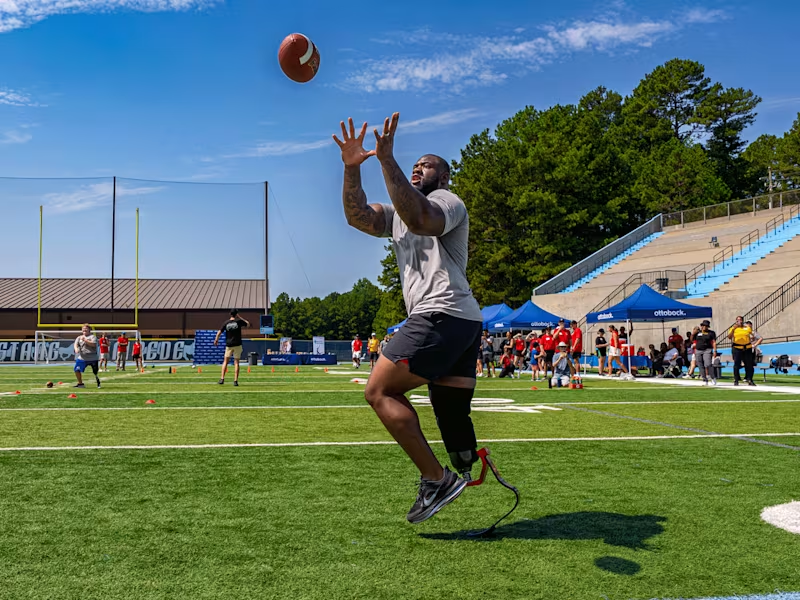
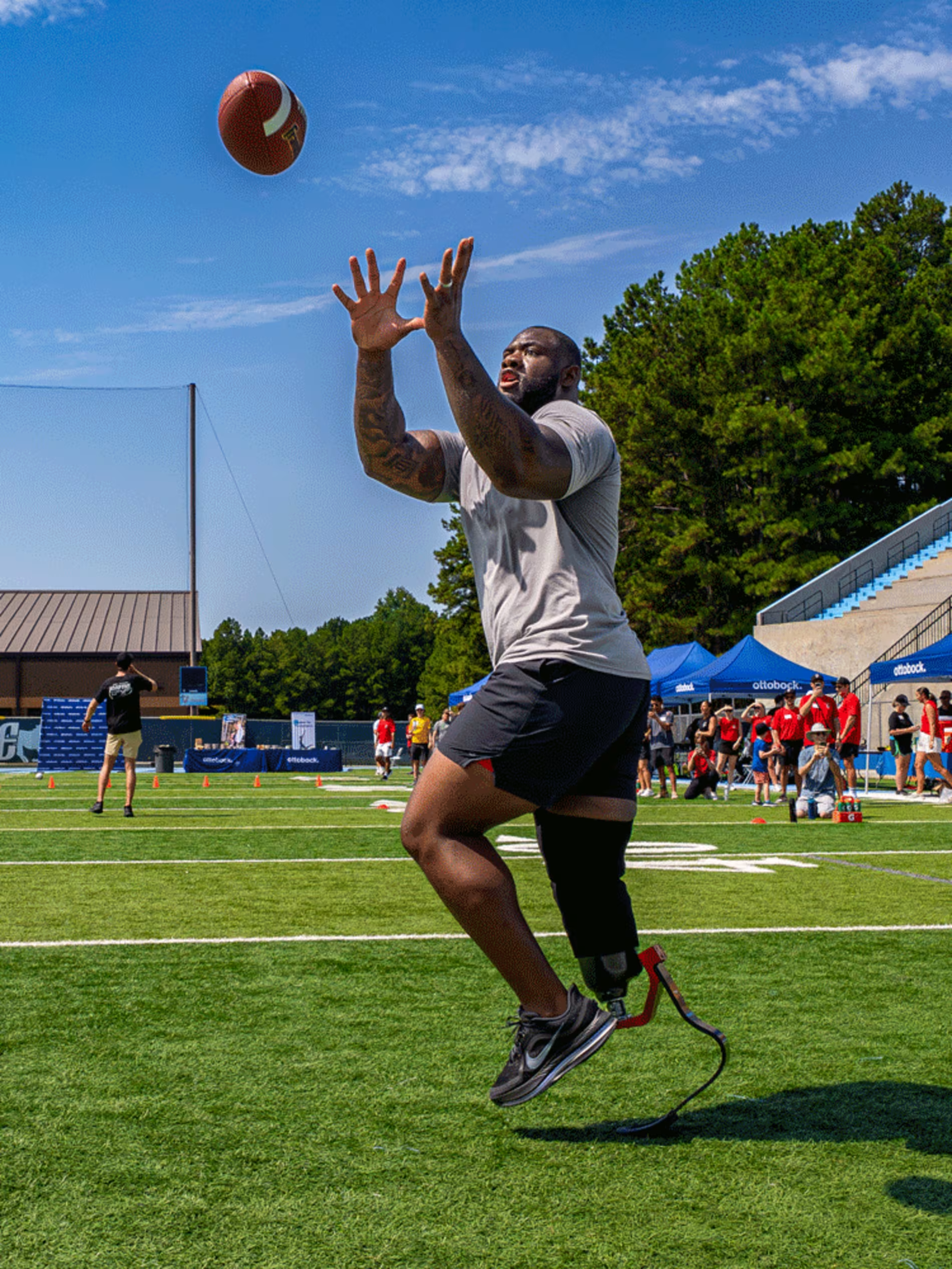
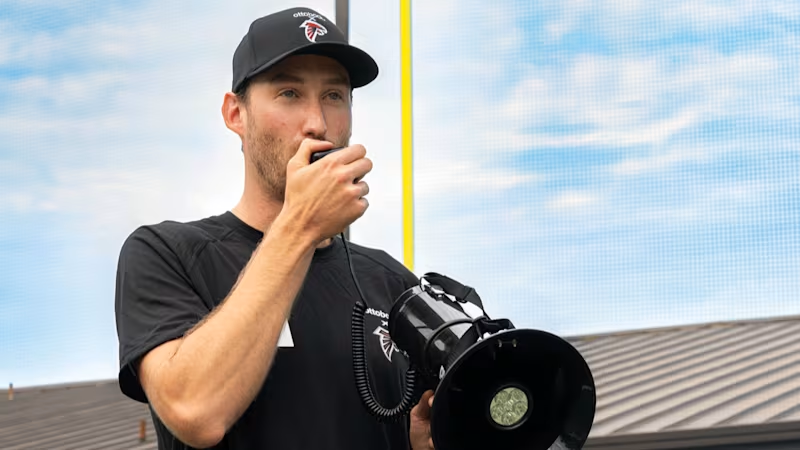
The first Full Circle Movement held in New York with record-setting attendance, the announcement of our Official Supporter status for the LA28 Paralympic Games, and — now that Adaptive Sports Day with the Atlanta Falcons is in the books — the first time an adaptive mobility partnership has been forged with an NFL team.
The response has been nothing short of amazing, with so many of you calling out your own teams to “make it happen.” We couldn’t be more thrilled to see the passion you all have for sport and the sense of empowerment that comes with freedom of movement.
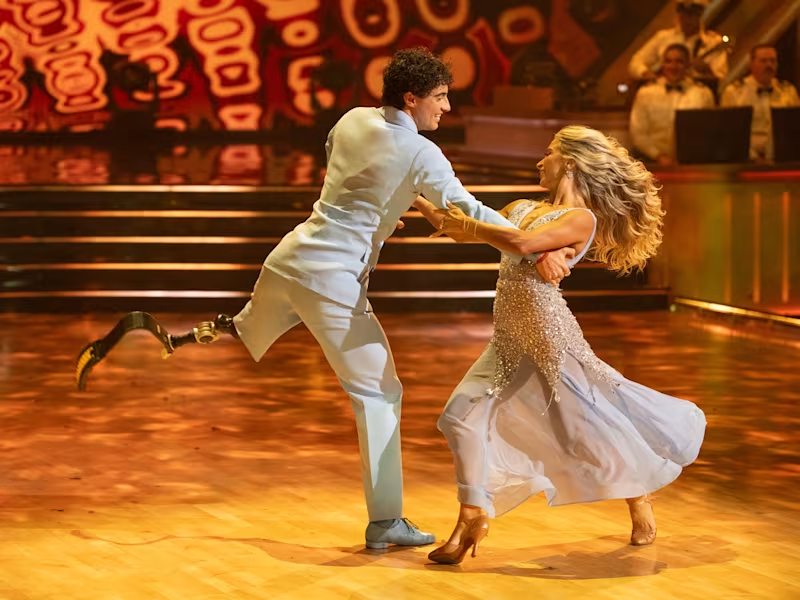
This partnership represents a huge milestone not only for us but for the adaptive community as a whole. With the Falcons fandom welcoming us (Rise Up, anyone?!) and Ezra Frech making waves on Dancing With The Stars, the limb loss and limb difference community is having a huge moment in the limelight to round out the year. And we’re just getting started.
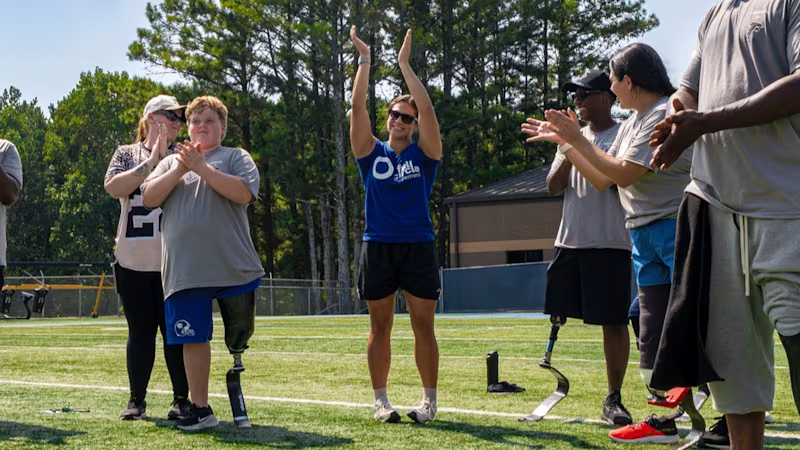
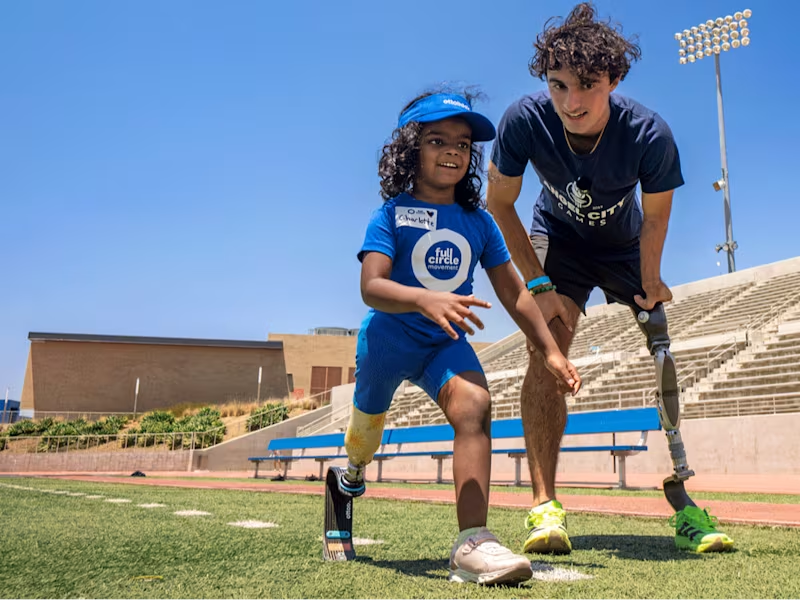
Aside from the well-deserved buzz, it’s still your stories that are at the center of everything we do. During Adaptive Sports Day, we chatted with participants and coaches about how sports have impacted their lives, what it means to move together, and how we can takes things even further.
For local participant Thomas Halston, the meaning of an event like Adaptive Sports Day is twofold:
“One, it’s educational. Two, it’s able to get me back to who I used to be before my accident. I love to run,”said Halston.And for him, it’s just as much about the memories and feeling of freedom of movement as it is the actions he’s performing on the field.
“It actually brings me back to my childhood when I started playing football at the age of 12… but just being able to do those sports and being able to run the bases, run to get the ball, that’s my highlight.”
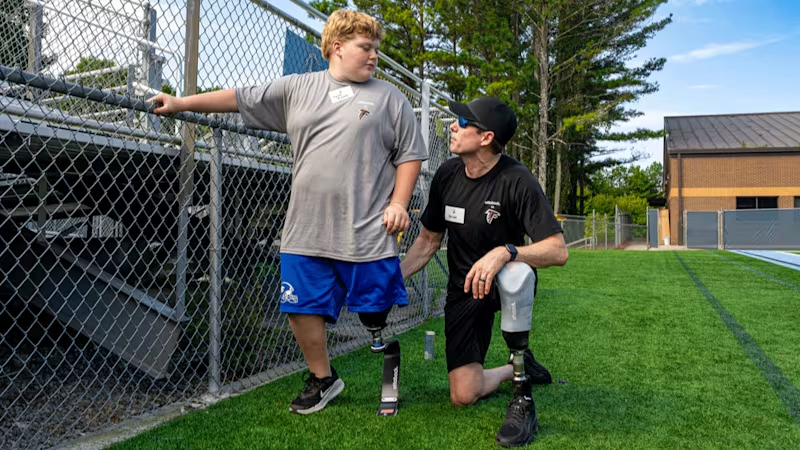
And while the day had Halston reminiscing about his adolescent years, Dylan Reams is still enjoying them. A 13 year old from Banks County, Georgia, Ream lost his leg in 2025 while riding a motorcycle with his dad. What started off as “a normal day after school” quickly changed his life forever.
He thought his football days were over, but after surgery he got back on his feet immediately and now serves as an inspiration to others who are going through what he did.
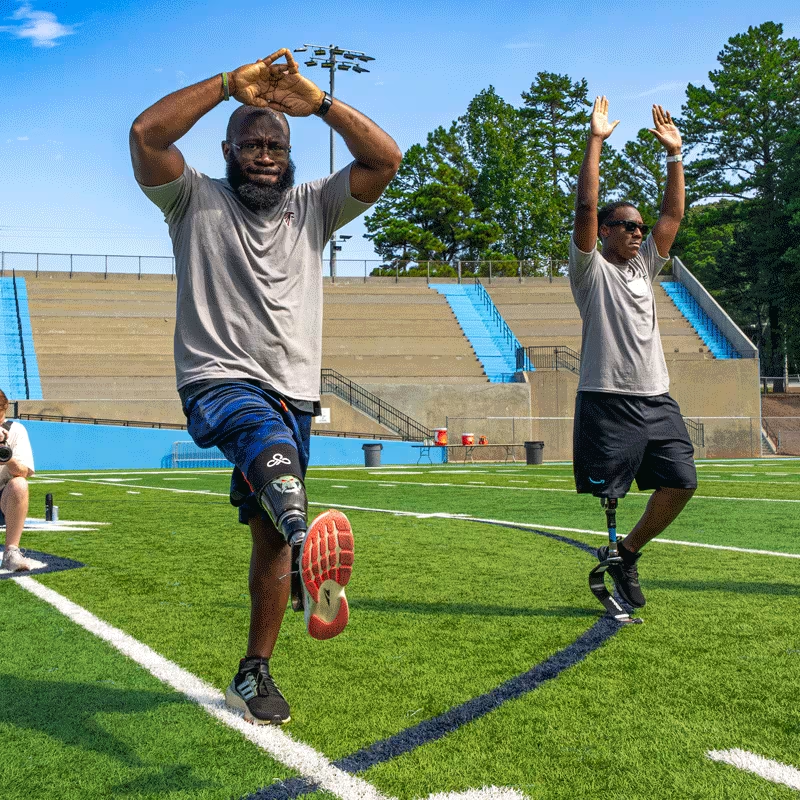
“It's pretty cool because I can show them how to work [through] it, and it's just pretty cool teaching people how to walk with a prosthetic,” said Reams. He went on to say that he never thought he’d be able to do something like this again and, when asked about the meaning of the day for him, it’s really the people and seeing everyone run together that made the biggest impression:
“I'm having a lot of fun meeting new people and interacting with a whole bunch of different people from all over the world. I think it's pretty cool because I get to do things with people that haven't even ran before.”
Jarryd Wallace, a Paralympic bronze medalist and multiple world record holder also touched on just how impactful having a sense of community as an amputee is: “This event is just to get people into a position and into an environment where they can see and be encouraged and be motivated by others who have gone through or going through the same thing that they are.”
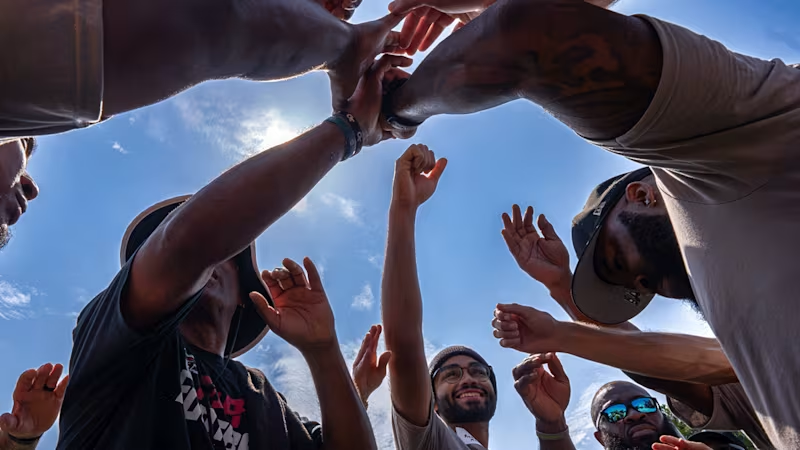
And that’s the crux of movement events like these: gathering as a community, instilling confidence in yourself, inspiring others, and moving freely — perhaps for the first time since an amputation, or maybe even ever.
Attending an event like this can be scary for someone that’s never done it before, but it’s just these types of resources and coaching that can make a real difference for someone’s confidence. Take it from Gary Spriggs, another participant who’s been an amputee for over 40 years.
When asked about what he’d tell someone who’s never done something like this before, he encouraged them with his own experience of learning to run again for the first time, “I would tell them to try. It's all just the mental game because one of the things after I got my blade and started running, I was telling myself I couldn't run. I just didn't have the proper resources, and I didn't have the proper body strength.”
He continues, “So be careful what you tell yourself — that groundwork of just trying and starting — that's how you get to the point where you can really go full-fledged.”
It’s our hope that events like these will continue rising in prominence to give more and more people the chance to experience them and lay that groundwork.
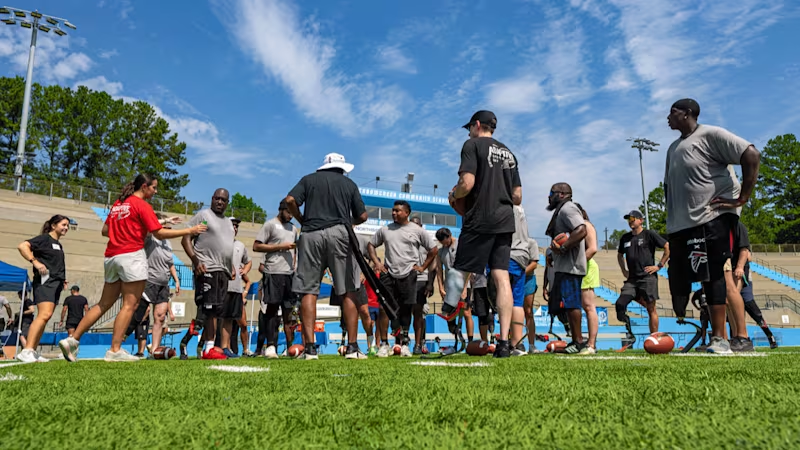
Former Falcons Wide Receiver Michael Haynes (who still holds the record for the Falcons’ longest touchdown reception at 98 yards by the way) also hopes that these opportunities continue to blossom, and he sees a future where more than just the Falcons are involved.
“I mean, this is the first of its kind. I'm sure a year from now, two years from now, every league, every team in the NFL will have something like this go on at their facility or at the in the city that they participate in.”
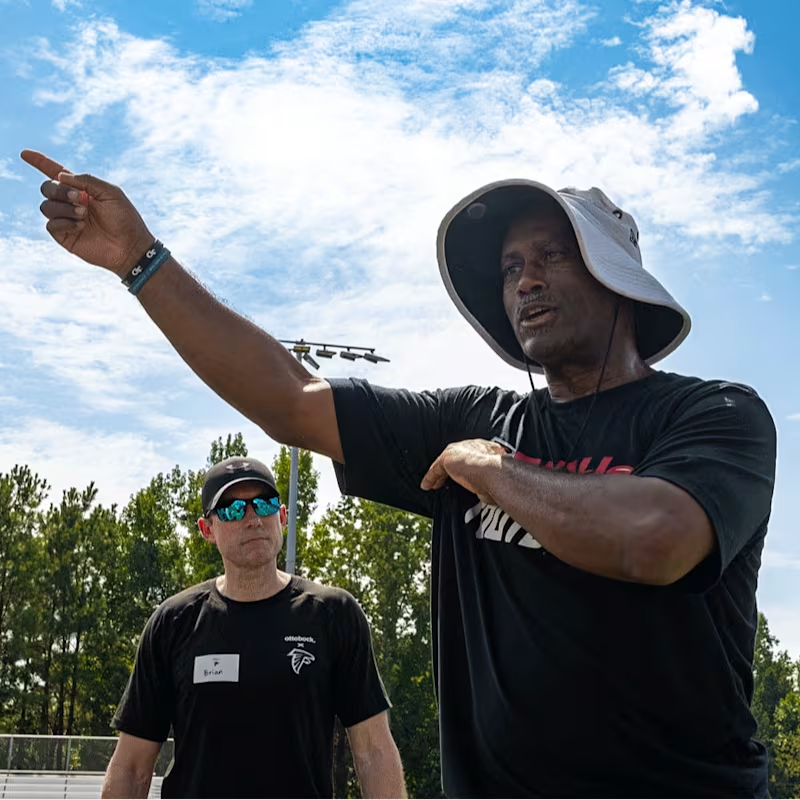
That is our sincere hope as well, and the coaches who facilitated the event feel the same. We spoke with Jeff Waldmuller, running coach, avid runner, and Ottobock prosthetist in research and development at our Salt Lake City facility where he sees the future headed, and he had this to say:
“Today we're just setting the groundwork, and I can see this totally being even bigger in the next years and hopefully expanding to other sports. So where we're doing not only football, but maybe also basketball and baseball and soccer and other sports… There are so many disciplines where you can apply these running mechanics, and think it's important to highlight those.”
Whether it’s expanding to other NFL teams and locations or entirely new disciplines, the point is that we want to offer this type of experience to as many people as possible.
“At the end of the day, we want to do what is best for the limb loss and limb different community,” said Lucas Crisanti, Ottobock North America’s head running coach.
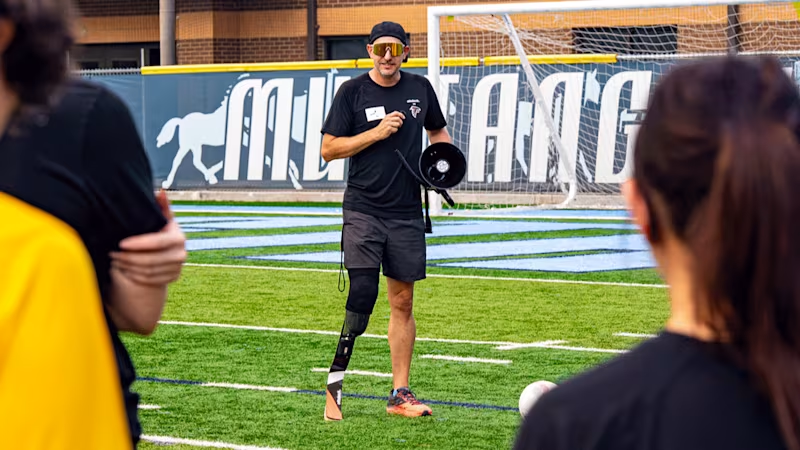
We're shedding more light on expanding sport and making sport more accessible for those living with limb loss and limb difference. I hope that partnering with someone like the Atlanta Falcons gets out it into the universe where people can understand the concept that people living with limb loss or limb difference, they don't all have access to running specific prostheses.”
Giving people a place to gather and learn from each other, giving them the opportunity to try a sports prostheses when they may have none, and giving them the spark of confidence to keep moving — that’s what it’s all about.
If you want to know more about how Ottobock is advancing adaptive sport for all, visit our Adaptive Sports homepage where you can see what types of events we host, sign up to get notified of upcoming events, and read more about Full Circle Movement, our core movement events that formed the framework for Adaptive Sports Day.